When you’re buying, renting, or managing a property, the law can feel like a maze. Missing a deadline or overlooking a clause can cost you money, time, or even the right to stay in a home. That’s why we’ve pulled together the most common legal questions and turned them into quick, punchy answers you can use right now.
First things first – registering your property properly protects your ownership claim. In India, that means getting the sale deed stamped, submitting it to the local Sub‑Registrar, and paying the applicable registration fee. Miss a step and you could face a costly legal battle later.
If you’re dealing with US markets, the process changes a bit. For example, New York City uses the ACRIS system to record deeds and pay registration fees. A simple online portal lets you file the paperwork, but you still need to double‑check the exact fee schedule for your borough. Forgetting to pay the correct amount can delay the whole transfer.
Taxes are the next big hurdle. In Virginia, property tax rates differ by county, and bills arrive twice a year. Setting a reminder for the due dates helps you avoid penalties. In India, you’ll pay municipal taxes based on the property’s assessed value, and these can rise if the local council upgrades services.
Renters often wonder how strict income requirements can be. In Virginia, a landlord can ask for proof that your monthly income is three times the rent, but the rule isn’t a law – it’s a market practice. If you feel the demand is unfair, you can negotiate or look for landlords who use a lower multiplier.
Landlords, on the other hand, have responsibilities. In Virginia, they can show a rental unit to prospective buyers while you're still living there, but they must give you reasonable notice and respect your privacy. Maryland follows a similar rule, but landlords need written permission for most entry unless there’s an emergency.
Out‑of‑state owners often miss hidden duties. If you own a property in Virginia but live elsewhere, you still have to file state taxes, keep up with local inspections, and ensure a local agent can receive legal notices. Ignoring these can lead to penalties or even a forced sale.
Managing your own rental property is doable, but you must meet licensing requirements in some states. Maryland, for instance, asks property managers to hold a real estate license if they collect rent on behalf of an owner. Skipping this step can expose you to fines.
Finally, remember that rental income is taxable. In Virginia, you report it on your state return and can deduct expenses like repairs, mortgage interest, and property management fees. Keeping clean records all year makes filing a breeze and may lower your tax bill.
Legal issues can feel overwhelming, but tackling them one piece at a time keeps you in control. Bookmark this page, set calendar alerts for tax deadlines, and always read the fine print before signing any lease or deed. Got a specific question? Our detailed articles dive deeper into each topic, so you never have to guess again.

Understanding non-resident status is crucial for property buyers facing FIRB approvals, higher stamp duties, and tax implications. Learn what defines a non-resident and how to navigate property registration rules.
 0
0

Discover what defines non-resident status for property buyers. Learn how tax residency rules, physical presence tests, and foreign buyer surcharges impact property registration and sales.
0
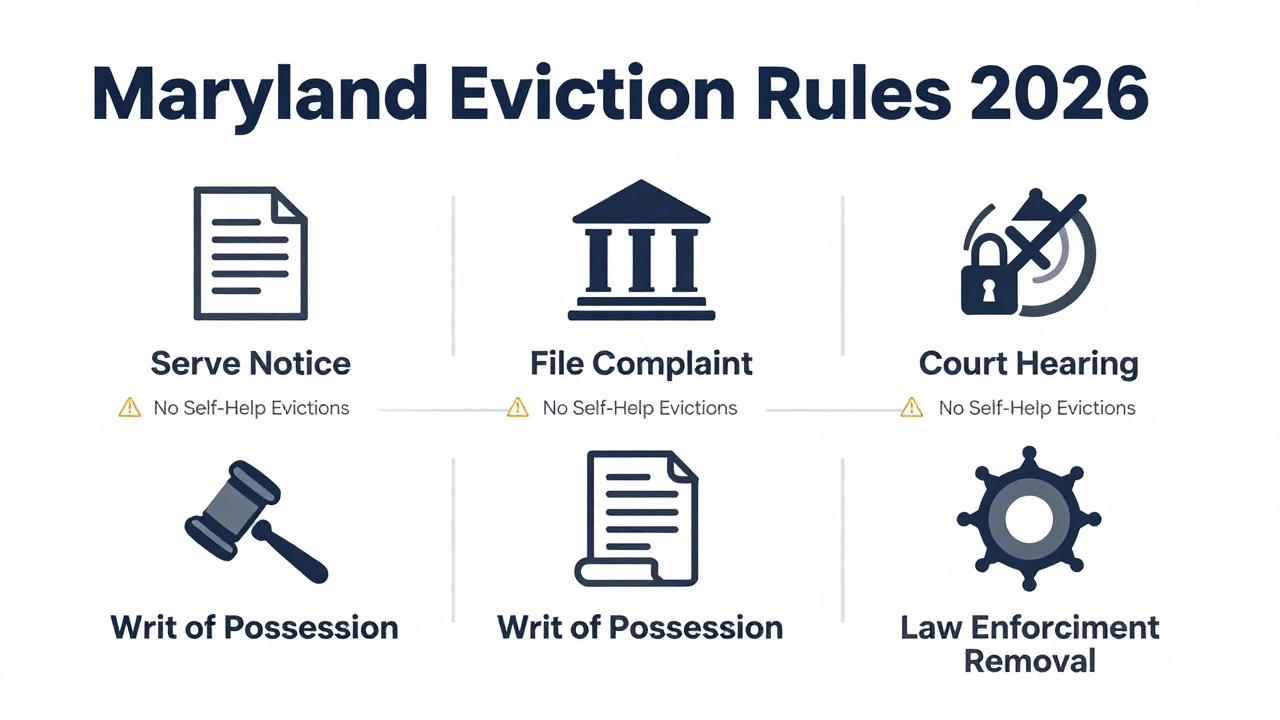
Learn the step-by-step process for evicting tenants in Maryland in 2026. From serving the correct notice to obtaining a writ of possession, understand your legal obligations and avoid costly mistakes.
0
Learn how to become a landlord in Maryland with this comprehensive guide covering rental registration, lease laws, security deposits, and tenant screening.
0

Find out exactly when to pay property tax in Virginia. Learn the June 30 and December 1 deadlines, penalty rules, and how local rates affect your bill.
0
Find out the exact cost of a Baltimore rental license in 2026. Learn about base fees, inspection costs, lead paint rules, and how to avoid hidden expenses.
0

Learn what it's called when too many people live in one house: housing overcrowding. Understand legal definitions, lease implications, and health risks.
0

Discover the meaning behind New York license plate colors. From standard white/blue to specialty gray/green and commercial yellow/black, learn what each design signifies and how to order yours.
0

Learn how to prove house ownership in NYC using deeds, tax records, and county clerk archives. Understand the difference between condos and co-ops and get steps to retrieve certified copies.
0

Learn what to do when your Maryland landlord ignores repairs. Guide on rent escrow, written notices, and tenant rights to ensure a safe, habitable home.
0

The 6-year rule lets non-residents avoid capital gains tax on an Australian property they once lived in. Learn who qualifies, how to use it, and what happens if you miss the deadline.
0

Proof of property ownership is the legal record that confirms who owns land or property. It's not a contract or bill-it's the registered title held by government land registries. Without it, you have no legal claim.
0