NYC Property Ownership Proof Finder
Results
Where to get it:
Steps to Get Certified Copy:
Imagine you just bought a brownstone in Brooklyn or inherited an apartment in Manhattan. You have the keys, you’re paying the taxes, but suddenly you need to prove you actually own the place. Maybe it’s for a loan, a legal dispute, or selling the property. In New York City, where real estate values are sky-high and paperwork is notoriously complex, knowing how to prove ownership of a house isn’t just bureaucratic-it’s essential.
Unlike some countries with centralized national land registries, New York relies on a system of recorded deeds and tax assessments. If you don’t know where to look, finding that proof can feel like hunting for a needle in a haystack. This guide cuts through the noise and shows you exactly where your proof lies, what documents matter, and how to get them fast.
The Gold Standard: Your Property Deed
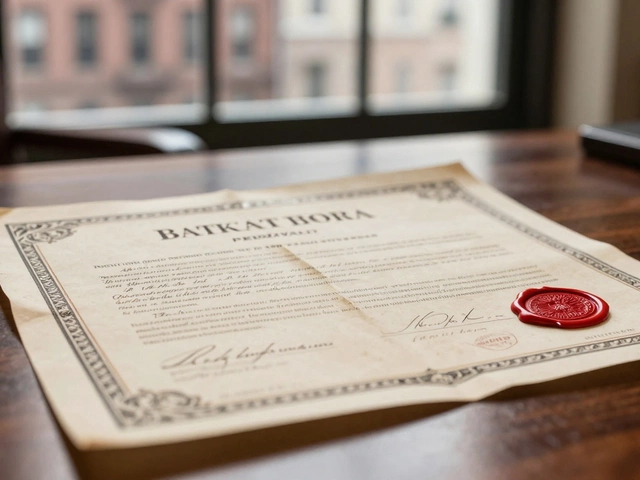
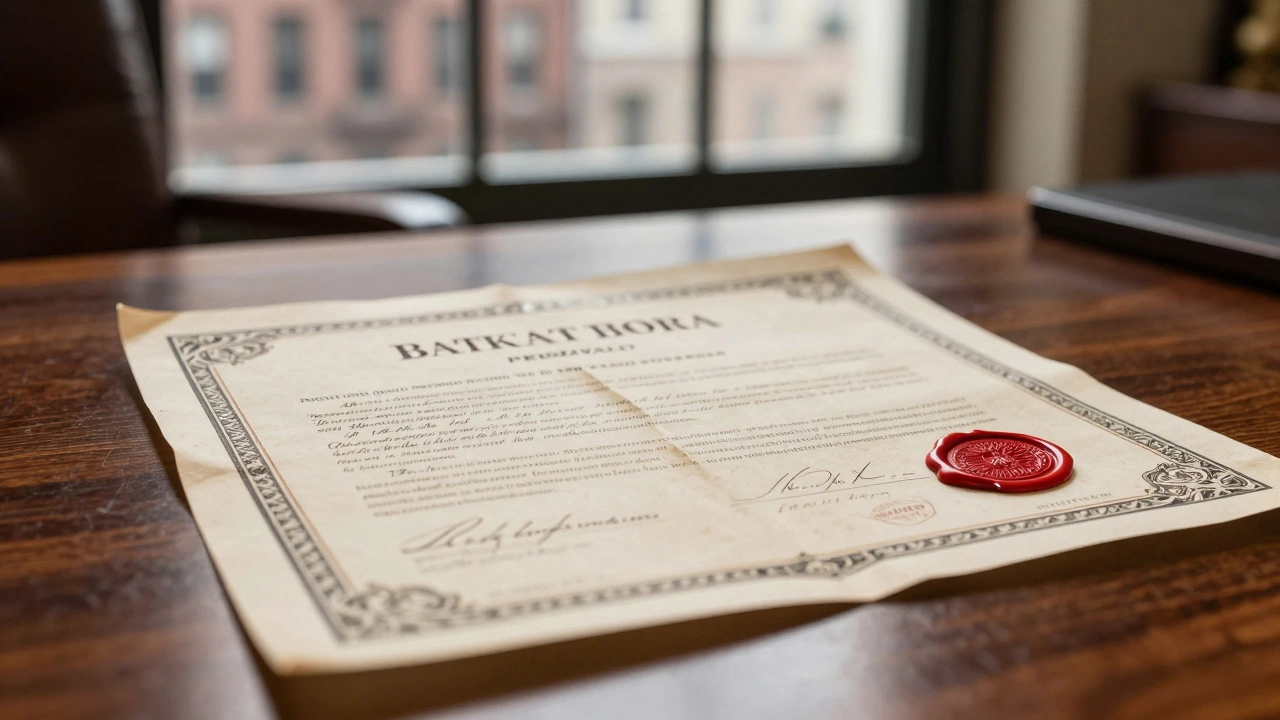
The single most important document proving you own a house in NYC is the Property Deed, which is the legal document transferring ownership from seller to buyer. Without a properly executed and recorded deed, you technically do not own the property in the eyes of the law, regardless of whether you’ve paid for it.
In New York State, there are several types of deeds, but the two most common are:
- Warranty Deed: The seller guarantees they have clear title and will defend it against claims. This offers the highest level of protection for the buyer.
- Quitclaim Deed: The seller transfers whatever interest they may have in the property without guaranteeing it’s free of liens or encumbrances. These are often used between family members or when adding someone to a title.
To prove ownership, you need the original deed or a certified copy. But holding the paper isn’t enough; it must be recorded. Recording means filing the deed with the county clerk so it becomes part of the public record. This step protects you from fraud and ensures your ownership is visible to future buyers and lenders.
Where Are Deeds Recorded in NYC?
New York City is unique because its five boroughs function as separate counties for recording purposes. This means you don’t go to one central city office. Instead, you must access the records held by the specific County Clerk’s Office for the borough where your property is located.
| Borough | County Name | Recording Authority |
|---|---|---|
| Manhattan | New York County | Office of the County Clerk (New York County) |
| Brooklyn | Kings County | Office of the County Clerk (Kings County) |
| Queens | Queens County | Office of the County Clerk (Queens County) |
| The Bronx | Bronx County | Office of the County Clerk (Bronx County) |
| Staten Island | Richmond County | Office of the County Clerk (Richmond County) |
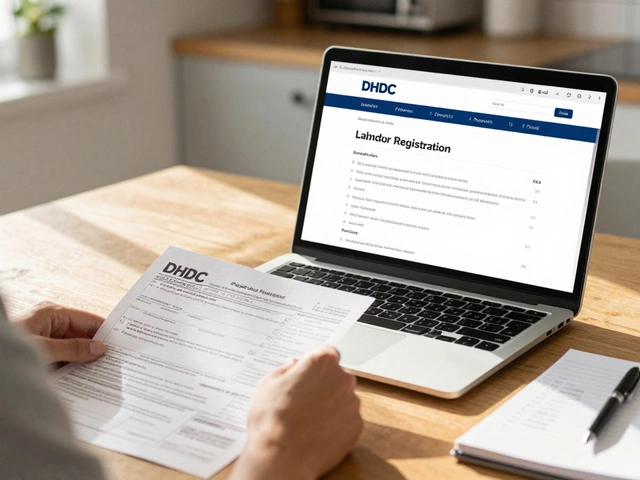
Each County Clerk maintains a database of all instruments filed within their jurisdiction. For most people, the easiest way to start is online. Many offices offer digital search portals where you can look up properties by address, owner name, or block and lot number. However, keep in mind that while you can view scanned images of deeds online, obtaining an official certified copy often requires visiting the office or requesting it via mail.
Tax Bills as Secondary Proof
If you can’t find your deed right away, your Real Estate Tax Bill, which is an annual statement issued by the NYC Department of Finance showing property tax obligations, serves as strong secondary evidence. While a tax bill doesn’t transfer title, it does list the current taxpayer. In many cases, the taxpayer is the owner.
You can check your property’s tax status and see who is listed as the owner on the NYC Department of Finance, which is the agency responsible for collecting taxes and managing property records in New York City. website. Their “Property Viewer” tool allows you to enter an address and pull up basic ownership information, including the name on file and the last date of change.
This is particularly useful if you suspect a deed hasn’t been recorded yet or if you’re dealing with a situation where the deed was lost. The tax bill shows intent and responsibility, even if it isn’t the final legal proof of title.

What About Condominiums and Co-ops?
Here’s where things get tricky. If you live in a high-rise apartment, you might not own real property at all. In New York City, the majority of apartments are either condominiums or cooperative housing (co-ops). The rules for proving ownership differ significantly.
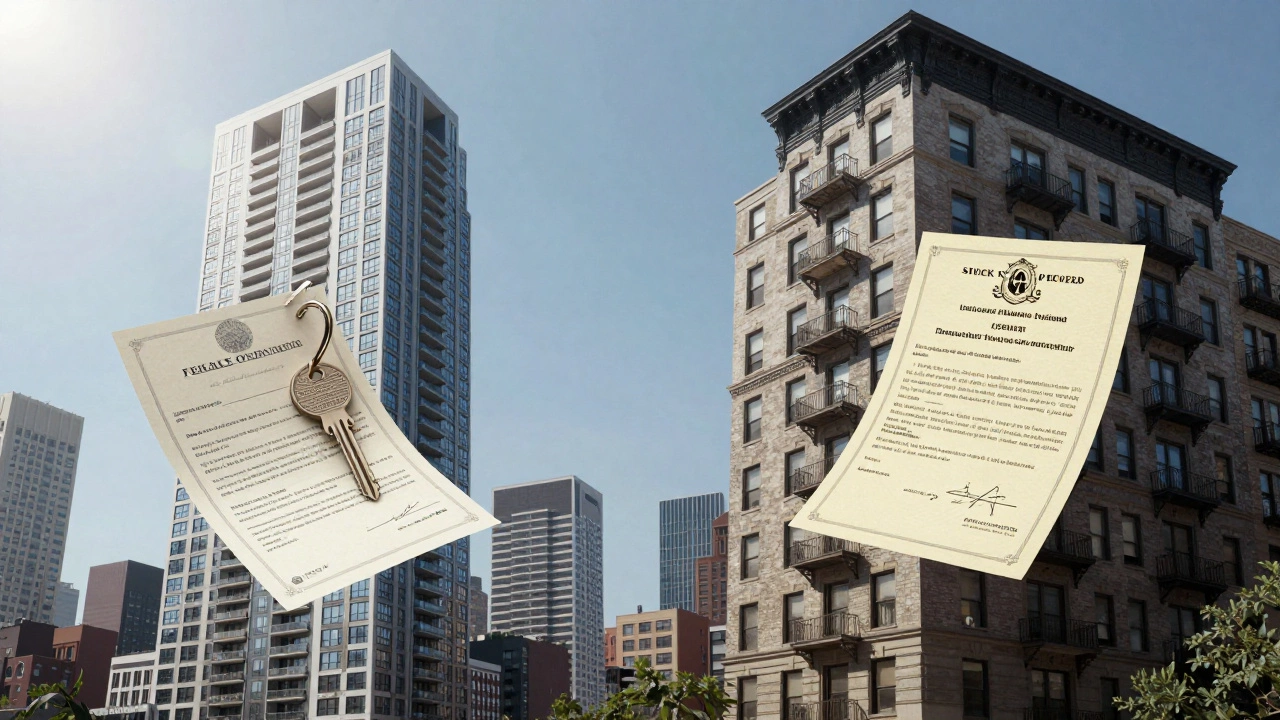
Condominiums: When you buy a condo, you do receive a deed. It works similarly to a house deed, describing your unit and your share of common elements. You should still record this deed with the County Clerk. So, yes, condos have deeds, and yes, they are recorded.
Cooperatives: Co-op owners do not have deeds. Instead, you own shares in a corporation that owns the building. Your “ownership” is proven by your stock certificate and proprietary lease. To prove you own a co-op apartment, you need:
- A stock certificate listing your name.
- A proprietary lease granting you the right to occupy the unit.
- Board approval documentation (often kept by the management company).
Trying to find a co-op “deed” at the County Clerk’s office will come up empty. Always clarify whether your building is a condo or a co-op before starting your search.
How to Get Certified Copies of Your Documents
Viewing a document online is fine for research, but banks, lawyers, and government agencies usually require a certified copy. A certified copy has a raised seal or stamp from the County Clerk, verifying it matches the original filed record.
- Identify the Document Number: Use the online portal to find the document ID or filing date. This speeds up the process immensely.
- Visit the County Clerk: Go to the relevant County Clerk’s office during business hours. Bring a valid photo ID.
- Request Certification: Tell the clerk you need a certified copy of the deed. There is usually a small fee per page.
- Alternative - Mail Request: If you can’t visit in person, most County Clerks accept requests via mail. Include a self-addressed stamped envelope and a check or money order for the fees.
Be patient. Processing times can vary, especially during peak seasons. If you need it urgently, ask about expedited services, though these are not always available.
When Things Go Wrong: Missing or Lost Deeds
Losing your original deed is stressful, but it’s not fatal. As long as the deed was recorded, the County Clerk holds the master copy. You can simply request a certified copy as described above.
If the deed was never recorded*,* that’s a bigger problem. An unrecorded deed is vulnerable to challenges. If a previous seller sells the same property to someone else, or if they pass away and their heirs contest the sale, you could lose your claim. In this case, consult a Real Estate Attorney, who is a legal professional specializing in property laws and transactions. immediately. They may help you file a “late recording” or pursue equitable remedies to establish your rights.
Another red flag is a gap in the chain of title. This happens when a link in the history of ownership is missing-perhaps a divorce decree wasn’t recorded, or a trust transfer was overlooked. Title companies run searches to catch these issues before you buy, but if you inherited property or bought privately without a title search, you might discover gaps later. Again, a lawyer is your best friend here.
Pro Tips for Keeping Your Records Safe
Don’t wait for a crisis to organize your papers. Here’s how to stay prepared:
- Digital Backups: Scan your deed, tax bills, and insurance policies. Store them in a secure cloud service with encryption.
- Physical Safety: Keep the original deed in a fireproof safe or a bank safety deposit box. Do not leave it loose in a drawer.
- Know Your Block and Lot: Your tax bill includes a Block and Lot number. This is the unique identifier for your property in NYC databases. Write it down and store it with your records.
- Update After Changes: If you add a spouse to the deed or transfer ownership to a trust, ensure the new deed is recorded immediately.
Proof of ownership isn’t just about having a piece of paper. It’s about ensuring that paper is connected to the public record, accessible when needed, and protected from loss or damage. By understanding where your documents live and how to retrieve them, you take control of your most valuable asset.
Where can I look up property ownership in NYC?
You can look up property ownership by visiting the website of the County Clerk for the specific borough where the property is located (e.g., Kings County for Brooklyn). Alternatively, use the NYC Department of Finance’s Property Viewer to see the name on the tax bill. For full legal details, you must review the recorded deed at the County Clerk’s office.
Does a mortgage statement prove I own my house?
No, a mortgage statement only proves you are making payments on a loan secured by the property. It does not prove legal ownership. Only a recorded deed establishes ownership. You can pay off a mortgage without owning the home if the title is flawed, though this is rare.
How much does it cost to get a certified copy of a deed?
Fees vary by county but are generally modest. As of recent years, copying fees range from $1 to $5 per page, plus a certification fee. Check the specific County Clerk’s website for current pricing. Some offices also charge for online access to high-resolution scans.
What if my deed is lost and was never recorded?
This is a serious legal issue. You should contact a real estate attorney immediately. They may advise filing a late recording or initiating a quiet title action to resolve any disputes and establish your ownership legally. Acting quickly is crucial to prevent third-party claims.
Do co-op owners have deeds?
No, co-op owners do not have deeds. They own shares in a corporation and hold a proprietary lease. Proof of ownership comes from the stock certificate and lease, not from the County Clerk’s records. Condo owners, however, do have deeds.