Maryland Tenant Action Guide
Determine your legal next steps based on your repair needs.
Step 1: What is the nature of the problem?
Select the category that best describes the issue you are facing.
Cosmetic/Minor
Peeling paint, loose cabinet, scratched floor.
Low RiskModerate/Habitability
Leaky faucet, broken dishwasher, minor mold.
Medium RiskCritical/Emergency
No heat, no water, sewage backup, roof leak.
High (Urgent)The Baseline: What Your Landlord Actually Owes You
Before you start a legal battle, you need to know if the issue is a legal requirement or just an annoyance. Under Maryland Law is the set of state statutes and local ordinances that govern the relationship between property owners and renters, landlords must maintain a "habitability standard." This means the place must be fit for human beings to live in. We aren't talking about a chipped piece of paint or a cabinet door that won't close; we are talking about essential services.
Essential services typically include working heat, potable water, a roof that doesn't leak, and a structurally sound building. If your Heating System fails during winter, that is a critical habitability breach. If your Plumbing is backed up and sewage is entering the home, that is an emergency. In most Maryland counties, the landlord is responsible for keeping these systems in good working order regardless of what your lease says, because you cannot "contract away" basic human safety.
The Paper Trail: Why a Text Message Isn't Enough
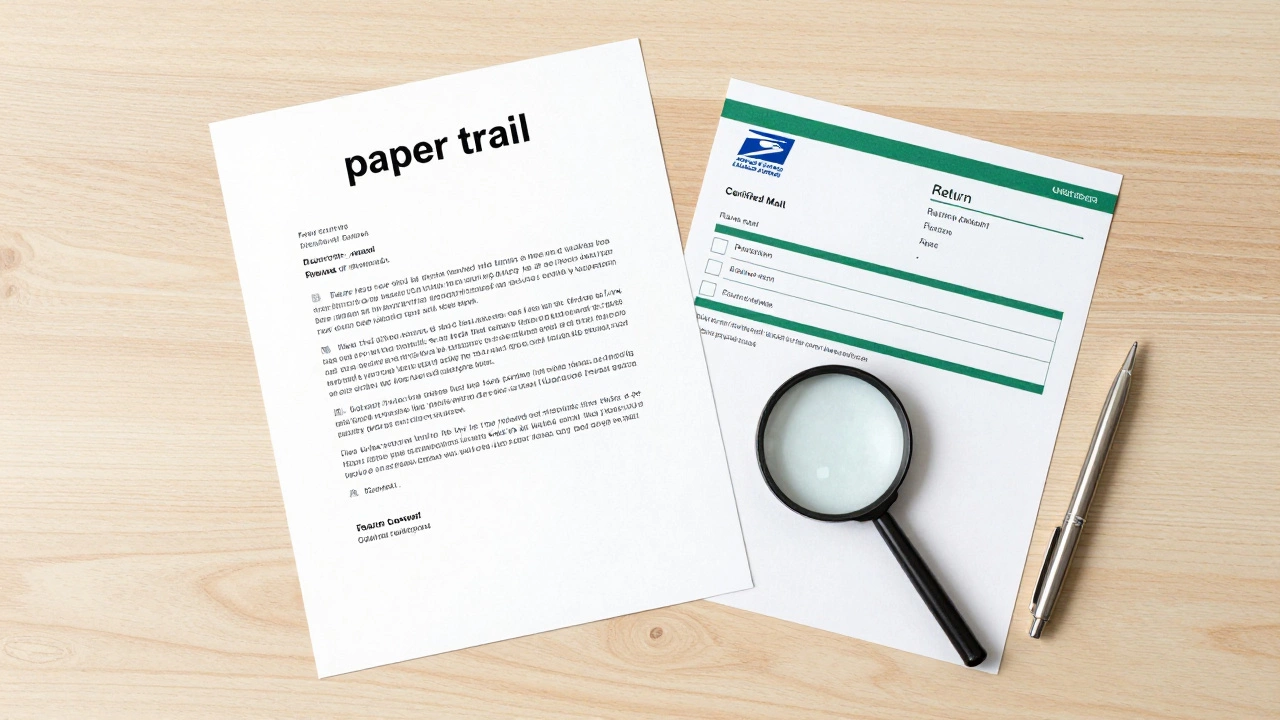
Many tenants make the mistake of thinking a flurry of texts or a casual phone call counts as a formal request. If you ever end up in front of a judge, "I texted him five times" isn't nearly as strong as a dated, signed letter delivered via certified mail. To trigger your legal protections in Maryland, you must provide written notice of the defect.
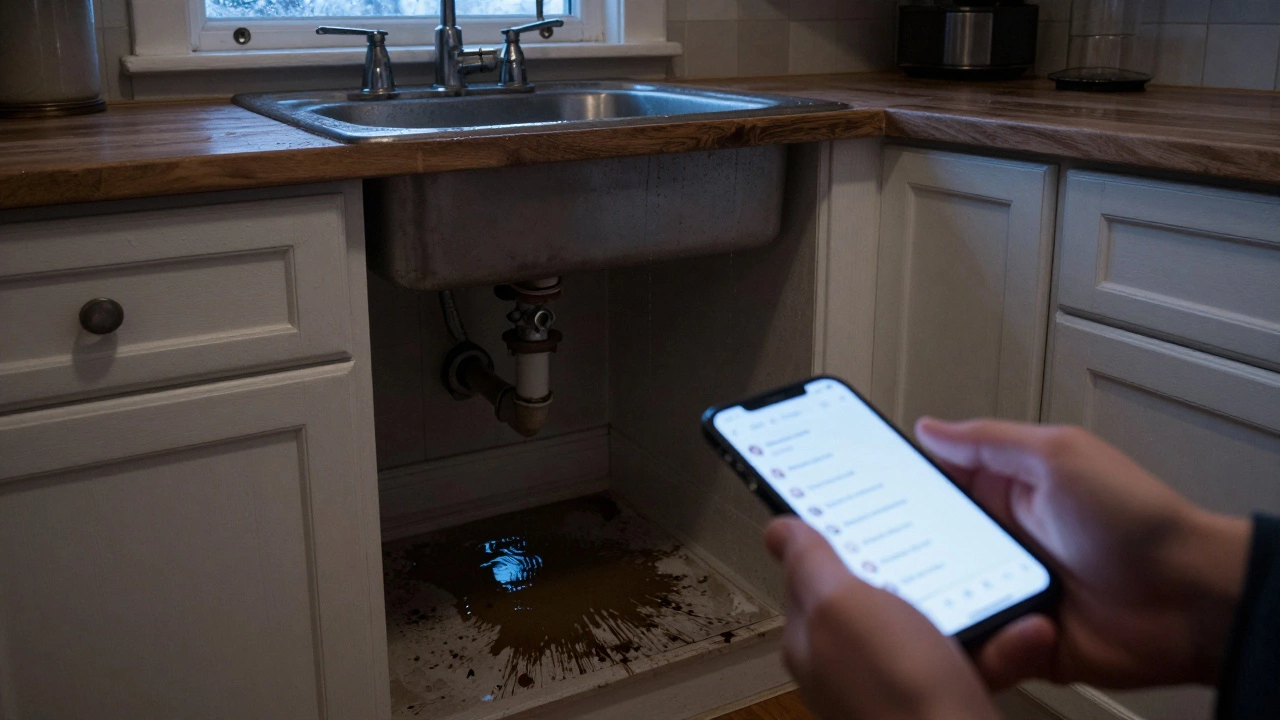
Your notice should be concrete. Instead of saying "the sink is broken," say "the kitchen sink pipe is leaking, causing two inches of standing water on the floor, which risks mold growth." Send this via certified mail with a return receipt requested. This gives you a physical piece of paper proving the landlord received the notice on a specific date. Without this evidence, a landlord can simply claim they never knew there was a problem, resetting the clock on their deadline to fix it.
The Rent Escrow Process: Your Strongest Tool
When a landlord ignores a serious repair, the most powerful tool in your arsenal is the Rent Escrow is a legal process where a tenant pays rent to the local district court instead of the landlord until repairs are completed. This is not "withholding rent," which is illegal and can lead to immediate eviction. Instead, you are paying your rent into a court-managed account.
Here is how the process actually works in a Maryland District Court:
- You file a Request for Rent Escrow in the district court where the property is located.
- The court sets a hearing date.
- At the hearing, you present your evidence (the certified mail receipts and photos of the damage).
- The judge decides if the conditions are bad enough to justify escrow.
- If the judge agrees, they order you to pay your rent to the court.
- The landlord only gets that money once they prove the repairs are finished to the court's satisfaction.
Repair and Deduct: The Riskiest Route
You might have heard of "repair and deduct," where you pay for the fix yourself and then take that amount out of next month's rent. Be extremely careful here. Maryland does not have a broad, automatic "repair and deduct" statute like some other states. Doing this without a very specific agreement or a court order is a gamble. If you deduct $300 for a plumber and the landlord disagrees, they can sue you for unpaid rent.
The only safe way to use this method is to get a written agreement from the landlord first. For example: "I will pay for the $200 window repair, and I will deduct $200 from June's rent." Get this in writing and signed. If they won't agree to it, stick to the Rent Escrow process. The court is the only entity that can legally authorize you to divert funds away from the landlord's pocket.
Dealing with Retaliation and Illegal Evictions
A common fear is that once you file for escrow, the landlord will try to kick you out. This is called Retaliatory Eviction is the illegal act of a landlord attempting to evict a tenant because the tenant exercised their legal right to request repairs or report a code violation. In Maryland, if a landlord tries to evict you shortly after you've filed a formal complaint or a court action, the law often presumes the eviction is retaliatory.
If you receive an eviction notice after filing for escrow, do not panic. You must still show up to the eviction hearing. When you do, bring your court filings for the rent escrow. The judge will see that the eviction is likely a response to you demanding a habitable home, which is a strong defense. In many cases, the court will dismiss the eviction and may even penalize the landlord.
Navigating Local Code Enforcement
Sometimes the court is too slow. If the situation is an emergency-like no heat in January-you need the Code Enforcement is local government agencies responsible for inspecting properties to ensure they meet minimum health and safety standards office. Call your county or city building inspector. When an official government inspector walks into a property and writes a formal violation notice, that document becomes gold in a court case.
A code violation is an objective, third-party confirmation that the landlord is failing their duties. It takes the "your word against theirs" element out of the equation. If the inspector finds a "critical violation," they can give the landlord a strict deadline to fix it or face heavy daily fines. This often motivates landlords faster than a tenant's letter ever could.
Quick Reference for Tenant Actions
| Issue Type | Example | Recommended Action | Risk Level |
|---|---|---|---|
| Cosmetic/Minor | Peeling paint, loose cabinet | Written request $ ightarrow$ Negotiation | Low |
| Moderate/Habitability | Leaking faucet, broken dishwasher | Certified mail $ ightarrow$ Code Enforcement | Medium |
| Critical/Emergency | No heat, sewage backup, no water | Certified mail $ ightarrow$ Code Enforcement $ ightarrow$ Rent Escrow | High (Urgent) |
Summary of Legal Protections
To wrap this up, remember that your goal is to move from "asking" to "documenting." The moment you move your communication to certified mail and your rent payments to a court escrow account, the power dynamic shifts. You are no longer just a tenant complaining; you are a legal claimant with the court's backing. Never stop paying rent entirely, as that gives the landlord the one thing they need to win an eviction: a legal reason to remove you. Keep your money, keep your records, and use the system to force the repair.
Can I just stop paying rent if my landlord won't fix the heat?
No. In Maryland, simply withholding rent is generally illegal and can lead to eviction for non-payment. Instead, you should file for Rent Escrow through the District Court. This allows you to pay your rent into a court account, ensuring you are still "paying" while the landlord is denied the funds until the heat is restored.
How long does a landlord have to make repairs in Maryland?
Maryland law doesn't specify a universal number of days for every repair, but it requires repairs to be made within a "reasonable time." For emergencies like water or heat, this usually means 24-72 hours. For non-emergencies, 14 to 30 days is often considered reasonable. The clock starts once they receive your written notice.
What is the difference between a 'habitability' issue and a 'convenience' issue?
Habitability issues affect health and safety (e.g., mold, no heat, broken locks, no water). Convenience issues are things that make life harder but aren't dangerous (e.g., a broken dishwasher, an ugly carpet, or a slow drain). Landlords are legally mandated to fix habitability issues; they are only required to fix convenience issues if the lease specifically promises to maintain those items.
What happens if the landlord wins the Rent Escrow case?
If the judge decides the repairs weren't necessary or the conditions didn't violate habitability standards, the court will release the escrowed funds back to the landlord. You will not be penalized for filing the claim, provided it was made in good faith.
Does my lease agreement override state law regarding repairs?
Generally, no. A landlord cannot put a clause in a lease that says "Tenant is responsible for all repairs, including the roof and heat" to avoid the implied warranty of habitability. State and local laws regarding safe housing usually override any conflicting terms in a private lease agreement.