Baltimore Rental License Cost Estimator (2026)
Property Details
Cost Breakdown
This tool provides estimates based on 2026 guidelines.
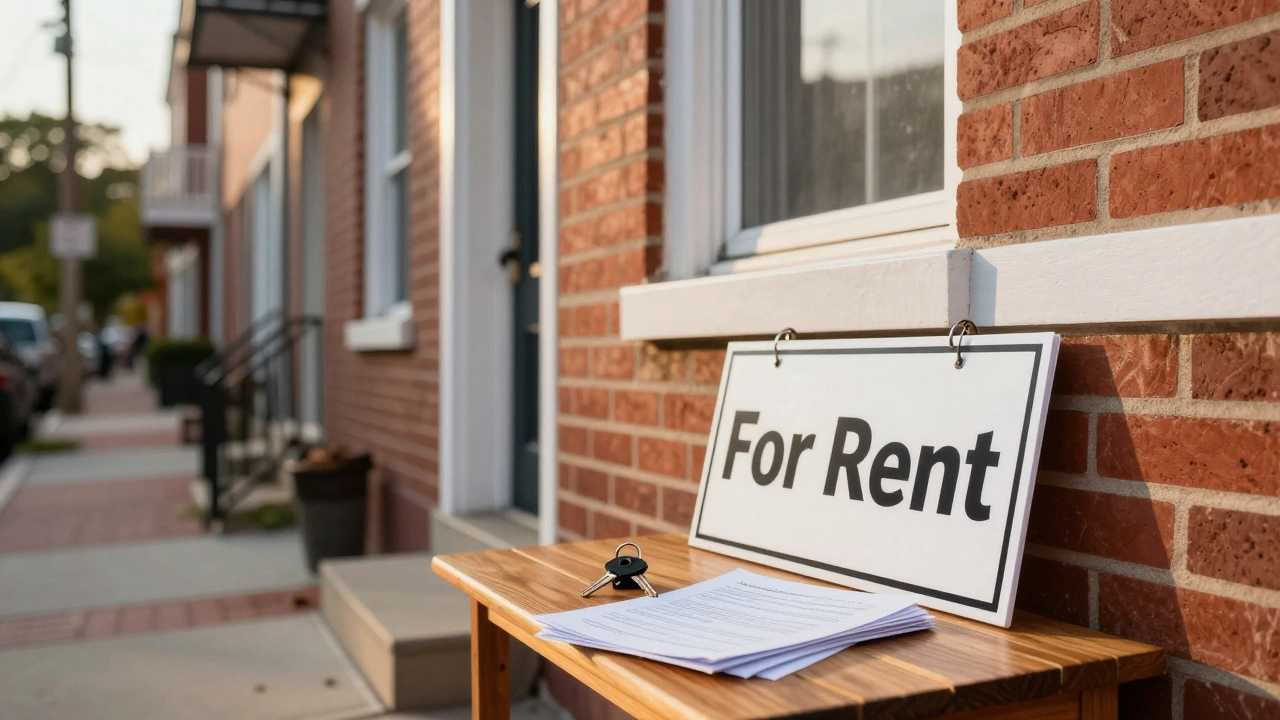
You just bought that fixer-upper in Hampden or a duplex in Bolton Hill. The rehab is done, the paint is fresh, and you’re ready to sign a lease. But before you hand over those keys, there’s a hurdle most new landlords trip over: the Baltimore rental license. It’s not just a formality; it’s a legal requirement enforced by the Department of Housing and Community Development (DHCD). Skip this step, and you aren’t just risking a fine-you’re risking your ability to evict a non-paying tenant later on.
So, what does it actually cost? As of 2026, the base fee for a standard residential rental license in Baltimore City is roughly $150 to $200 per dwelling unit, depending on the number of units in the building. However, that sticker price is only the beginning. If your property fails inspection, has outstanding code violations, or requires additional safety certificates, the total out-of-pocket expense can easily double or triple. This guide breaks down exactly where your money goes, how to avoid hidden costs, and why getting it right the first time saves you thousands in legal headaches.
The Base Fee Structure: What You Pay Upfront
When you apply for a rental license through the Baltimore City DHCD, you are paying for an administrative review and an initial physical inspection of the property. The city treats each "dwelling unit" separately. This means if you own a four-plex, you don’t pay one flat fee for the building; you pay the licensing fee four times.
For a single-family home or a standalone apartment, the current application fee hovers around $150. For larger multi-unit buildings, the per-unit cost remains similar, but the aggregate bill grows quickly. It is crucial to understand that this fee is non-refundable. Even if you withdraw your application mid-process or if the inspector finds minor issues that you fix immediately, the initial processing charge stays with the city.
| Property Type | Number of Units | Estimated Total Base Fee |
|---|---|---|
| Single-Family Home | 1 | $150 - $175 |
| Duplex | 2 | $300 - $350 |
| Triplex | 3 | $450 - $525 |
| Four-Plex / Small Multi-Family | 4+ | $600+ (per unit calculation) |
Note that these figures represent the baseline administrative cost. They do not include penalties for late applications, re-inspection fees, or costs associated with correcting code violations. The DHCD updates its fee schedule annually, so always verify the exact amount on their official portal before submitting payment.
Hidden Costs: Inspections, Violations, and Re-Inspections
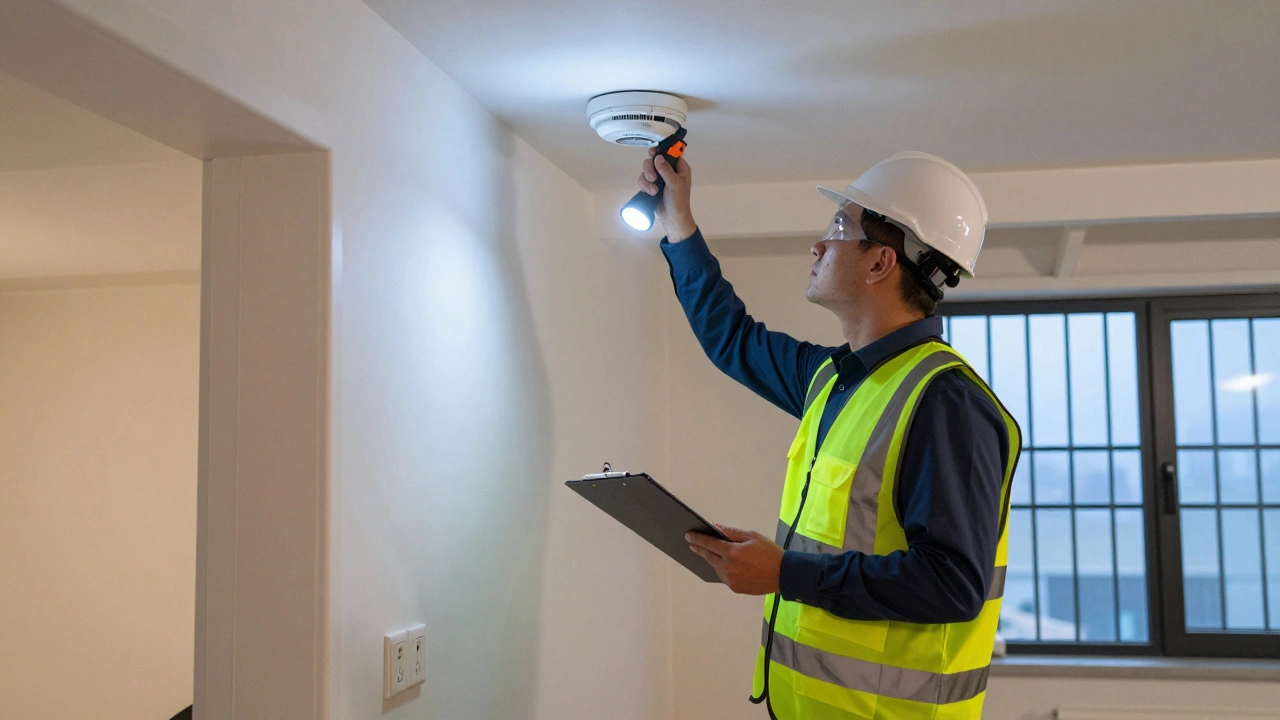
The base fee gets your foot in the door, but the real cost driver in Baltimore is the condition of your property. When you apply, a DHCD inspector will visit the site to check for health and safety compliance. This isn’t a cursory glance; they look at electrical systems, plumbing, heating, ventilation, fire safety, and structural integrity.
If your property passes on the first try, congratulations-you’ve saved yourself significant money. If it doesn’t, the clock starts ticking. You’ll receive a notice of violation listing every issue that needs fixing. Once you make the repairs, you must request a re-inspection. Each re-inspection carries a separate fee, typically ranging from $50 to $100 per visit. If you have multiple units and only one fails, you might still need to pay for a full-site revisit depending on inspector availability and protocol.
Common violations that trigger these extra costs include:
- Inadequate Smoke/Carbon Monoxide Detectors: Baltimore requires detectors in specific locations. Missing batteries or expired units are easy fixes but common failures.
- Window Guards: Required for windows accessible to children under certain heights. If you missed installing these during renovation, expect a violation.
- Heating System Deficiencies: The heat must reach a minimum temperature (usually 68°F) within a set timeframe. Older boilers often fail this test.
- Pest Infestations: Evidence of rodents or insects can halt the licensing process until professional extermination is verified.
Every day you wait to fix these issues is a day you cannot legally rent the unit. Multiply that lost rental income by the re-inspection fees, and the "cost" of a rental license becomes much higher than the initial $150.
The Lead Paint Rule: A Critical Extra Expense
If your property was built before 1978, federal and local laws require you to address lead-based paint hazards. In Baltimore, this adds a distinct layer of complexity and cost to the licensing process. You cannot simply get a general rental license; you must also provide documentation proving the property is lead-safe or that you have completed necessary remediation.
This usually involves hiring a certified lead inspector or risk assessor. The cost for a lead inspection varies based on the size of the home but typically ranges from $300 to $600. If lead hazards are found, abatement work can run into the thousands. Fortunately, Baltimore offers some grant programs and low-interest loans for landlords willing to perform permanent abatement, which can offset these costs. However, if you choose to ignore this step, the DHCD will deny your license application outright. There is no workaround for pre-1978 properties without proper lead documentation.
Consequences of Operating Without a License
Some landlords think they can fly under the radar, especially if they rent to friends or family, or if they believe inspections are random. This is a dangerous gamble. Baltimore actively cross-references utility records, permit applications, and tax data to identify unlicensed rentals. Plus, tenants are increasingly savvy about their rights.
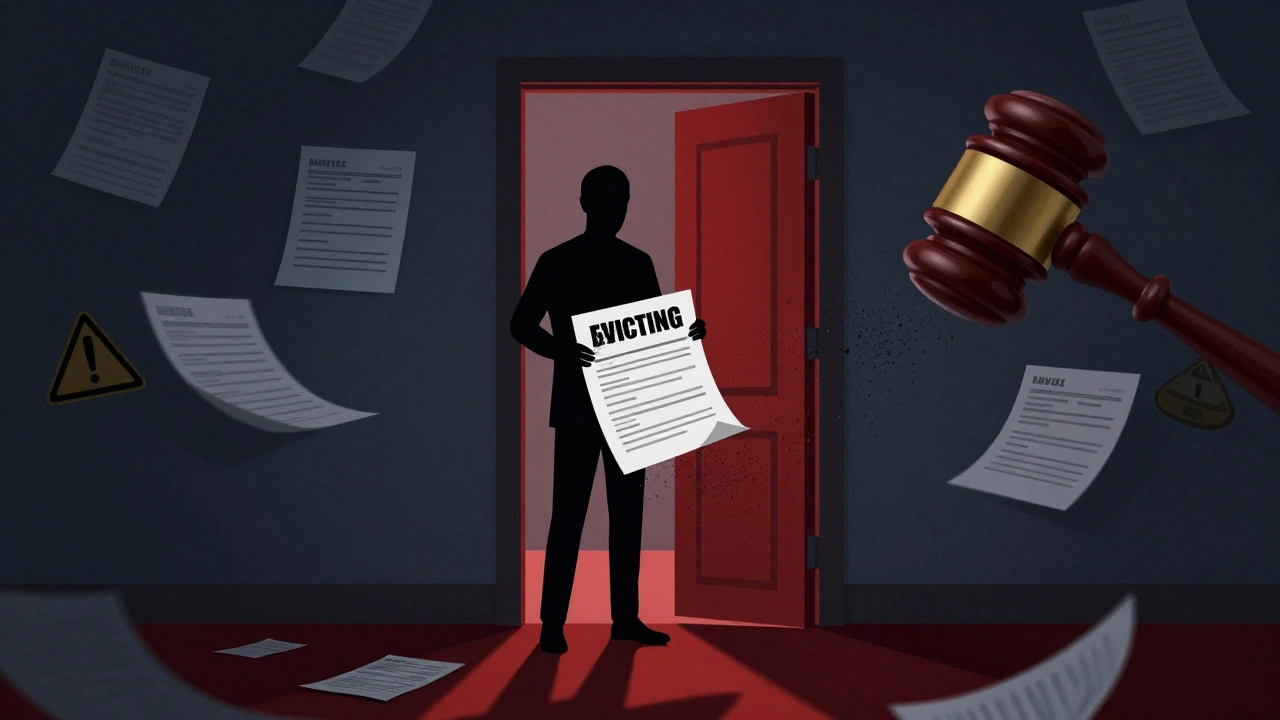
If caught operating without a valid rental license, the financial penalties are steep. Fines can range from $500 to $1,000 per violation, per day, until the license is obtained. More importantly, under Maryland law, a landlord without a valid rental license forfeits the right to terminate a tenancy for non-payment of rent or other breaches. You can file for eviction, but the court will likely dismiss the case because you were not legally authorized to rent the property in the first place. You end up stuck with a non-paying tenant, unable to remove them, while paying fines to the city.
How to Apply and Minimize Costs
To keep your expenses as close to the base fee as possible, preparation is key. Here is a streamlined approach to securing your Baltimore rental license efficiently:
- Pre-Self Inspection: Before calling the city, walk through your property with a checklist. Check smoke detectors, window guards, and heating output. Fix obvious issues like broken locks or leaking faucets now.
- Gather Documentation Early: Have your proof of ownership, insurance policy, and any prior lead paint reports ready. Digital copies uploaded correctly speed up the administrative review.
- Schedule During Off-Peak Times: While you can't always control inspector schedules, applying well before your intended move-in date gives you buffer time for unexpected re-inspections.
- Use the Online Portal: Baltimore’s online licensing system allows you to track status and upload documents instantly. Avoid paper mail, which slows processing and increases the chance of lost files.
Remember, the license is valid for one year. Renewal fees are similar to the initial application, but renewal inspections may be less frequent if you have a clean history. Maintaining your property in good standing ensures that next year’s cost remains predictable.
Frequently Asked Questions About Baltimore Rental Licenses
How long does it take to get a rental license in Baltimore?
The timeline varies significantly based on inspector availability and the condition of your property. Typically, the administrative review takes 1-2 weeks. The physical inspection may be scheduled within another 2-4 weeks. If violations are found, add time for repairs and re-inspection. Plan for a minimum of 4-6 weeks from application to approval to avoid delays in renting.
Do I need a rental license if I only rent one room in my house?
Yes. Baltimore requires a rental license for any dwelling unit rented for compensation, including single rooms. If you live in the property and rent out a spare room, you still need a license for that specific unit. The city distinguishes between owner-occupied and non-owner-occupied properties, but both require licensing.
What happens if I sell my property while the license is active?
Rental licenses are tied to the property, not the owner. When you sell, you must notify the DHCD. The new owner will need to update the license information and may need to undergo a new inspection depending on the change in management structure. Ensure all final fees are paid before closing to avoid liens or holds on the title transfer.
Are there discounts for senior landlords or affordable housing?
Baltimore occasionally offers fee waivers or reductions for properties designated as affordable housing or for landlords participating in specific city initiatives. Additionally, small landlords (those owning fewer than five units) may qualify for certain technical assistance programs that help cover inspection prep costs. Check the DHCD website for current incentive programs.
Can I appeal a failed inspection?
Yes, you can appeal violations if you believe they are incorrect. You must file an appeal within a specified timeframe (usually 10 days) after receiving the violation notice. The appeal process involves a hearing before a board or administrator. Note that appealing does not stop the clock on your inability to rent; it is best to use appeals only for clear errors, not for disputes over subjective standards.