Housing Overcrowding & Occupancy Checker
Enter your home details below to check compliance against the Bedroom Standard (max 2 unrelated adults per room) and the Space Standard (min 80 sq ft + 50 sq ft per additional person).
Bedroom Standard
Max 2 unrelated adults per bedroom.
Space Standard
Min 80 sq ft + 50 sq ft/person.
Overall Assessment
Your living arrangement appears compliant with general standards.
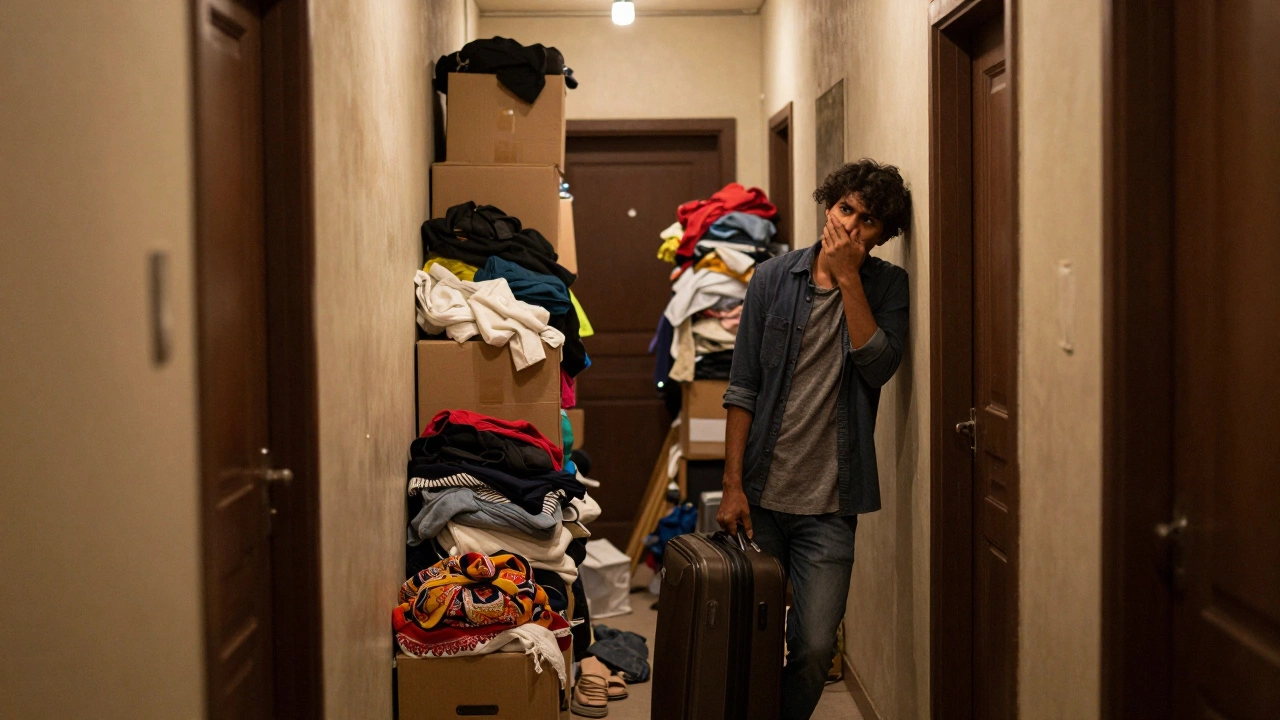
Imagine coming home after a long day, only to find that your bedroom has been converted into a storage closet because three more people moved in. You can’t even walk to the kitchen without stepping over someone else’s laundry. This isn’t just uncomfortable; it is a specific legal and social issue with a name: housing overcrowding. But before you call the authorities or evict anyone, you need to understand what actually constitutes "too many" people, how it affects your lease, and where the line is drawn between a crowded house and an illegal one.
The Official Definition of Housing Overcrowding
When we talk about too many people living in one place, we are usually referring to housing overcrowding, which is a condition where the number of occupants exceeds the capacity of the dwelling based on local building codes and health standards. It is not simply a matter of opinion. If you feel like your apartment is small, that is subjective. If you violate a municipal ordinance, that is objective.
In most jurisdictions, including the United States and the United Kingdom, overcrowding is defined by strict formulas rather than vague feelings of claustrophobia. The most common standard used by housing inspectors and landlords is the Bedroom Standard, which is a regulation stating that no more than two unrelated persons may occupy a single bedroom. Under this rule, a one-bedroom apartment legally houses two adults. A two-bedroom unit houses four. Children under the age of six are often exempt from this count, allowing siblings to share a room regardless of gender.
Another metric is the Space Standard, which is a calculation based on square footage per occupant. For example, some cities require a minimum of 80 to 100 square feet of floor space for the first person and an additional 50 square feet for each subsequent occupant. If your 600-square-foot studio suddenly hosts five roommates, you likely breach this standard, regardless of how many beds you cram into the room.
How Rent Agreements Handle Occupancy Limits
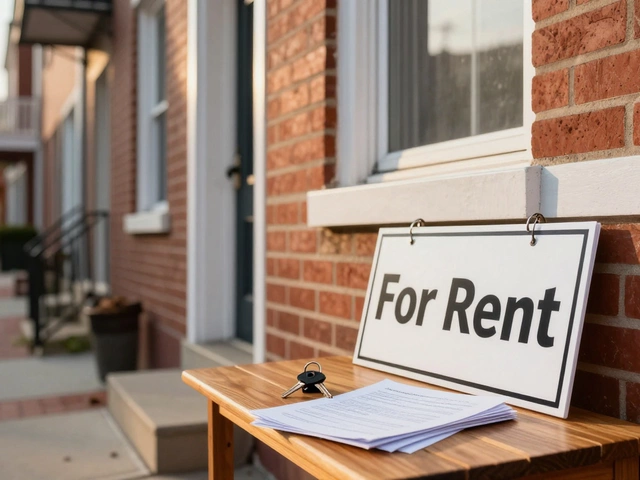
Your house rent agreement, also known as a lease contract, is a legally binding document that outlines the terms of tenancy, including occupancy limits. Most standard leases include a clause specifying the maximum number of occupants allowed. This is not arbitrary; landlords use these limits to protect their property value and ensure compliance with local laws.
If you signed a lease for yourself and one partner, but then invited two cousins to stay permanently, you have likely breached the contract. Landlords can enforce these clauses through eviction proceedings if the unauthorized occupants do not leave. However, the definition of "occupant" matters here. A guest staying for a weekend is different from someone who brings their toothbrush and clothes and stays for a month. Most leases define an occupant as someone who lives there for more than 7 to 14 consecutive days.
It is crucial to read the fine print regarding "additional occupants." Some agreements allow extra people if they are added to the lease and pass background checks. Others strictly prohibit any changes to the household composition without written consent. Ignoring this section can lead to costly legal disputes or loss of security deposit.

Health, Safety, and Legal Consequences
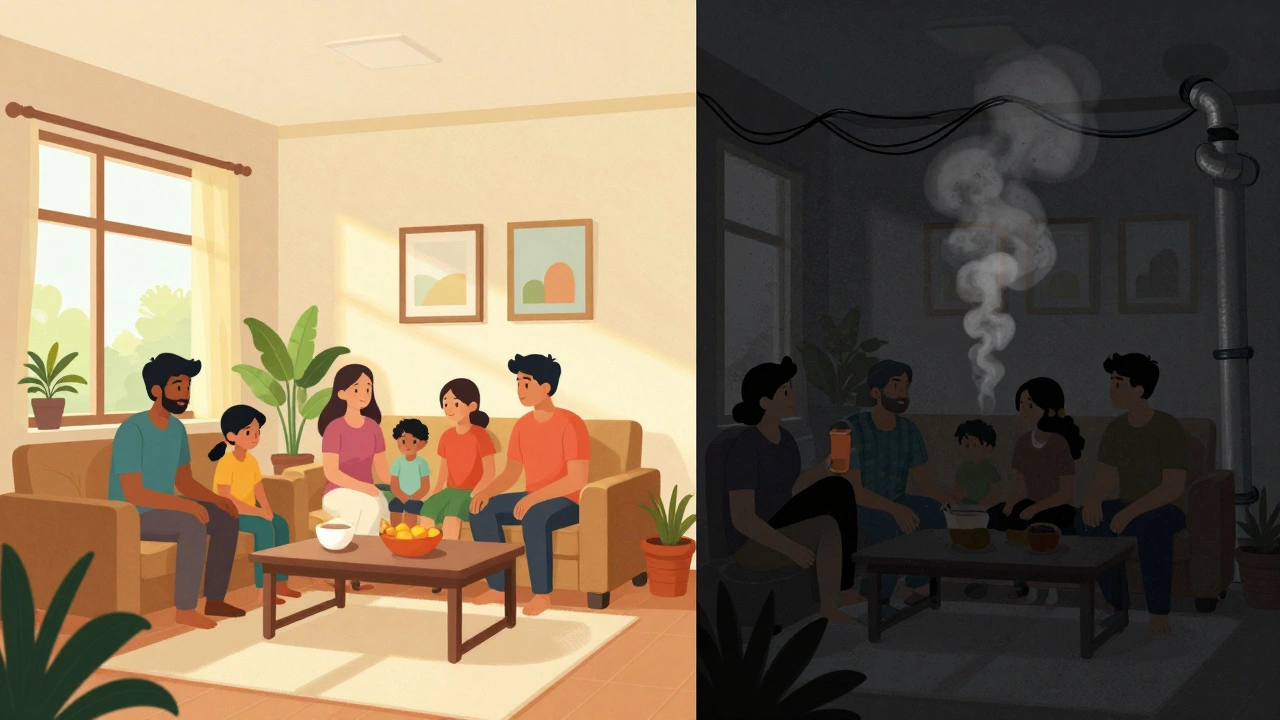
Overcrowding is treated seriously because it poses genuine risks. When too many people live in one house, the strain on infrastructure becomes apparent. Plumbing systems designed for four people may clog regularly with eight. Electrical circuits can overload, increasing fire hazards. Ventilation suffers, leading to mold growth and poor air quality, which exacerbates respiratory issues like asthma.
Local housing authorities conduct inspections based on complaints or routine checks. If an inspector finds a violation of the Bedroom Standard or Space Standard, they can issue fines to the landlord or the tenants. In severe cases, the property may be deemed uninhabitable, forcing immediate vacating. These fines can accumulate quickly, sometimes reaching thousands of dollars per week until the situation is resolved.
Furthermore, insurance policies may be voided if the property is overcrowded. If a fire breaks out due to overloaded wiring caused by unauthorized appliances brought in by extra occupants, the insurance company might deny the claim. This leaves everyone financially vulnerable. The legal framework exists to prevent these scenarios, making adherence to occupancy rules a matter of financial safety as much as comfort.
Distinguishing Overcrowding from Shared Living
Not all large households are illegal. There is a distinct difference between shared living, which is a voluntary arrangement where multiple individuals or families cohabit within legal occupancy limits, and overcrowding. Multigenerational families, for instance, often live together out of necessity or cultural preference. A family of six living in a three-bedroom house is typically compliant with the Bedroom Standard (two people per room).
Roommate situations are another common form of shared living. Four friends renting a four-bedroom house are perfectly legal. The problem arises when the density exceeds the structural or legal capacity. For example, six adults trying to fit into a two-bedroom apartment crosses the line from shared living into overcrowding. The key indicator is whether the arrangement violates local codes or the lease agreement.
Social norms also play a role. In urban areas with high rent, subletting rooms is common. While this can help cover costs, it must be done transparently. Hidden occupants create tension and legal risk. Open communication among all parties ensures that the living arrangement remains stable and lawful.
| Scenario | Number of Occupants | Bedrooms Available | Status | Risk Level |
|---|---|---|---|---|
| Couple in Studio | 2 Adults | 0 (Studio) | Legal | Low |
| Family in 3-Bed | 2 Parents + 4 Kids | 3 | Legal | Low |
| Roommates in 2-Bed | 5 Unrelated Adults | 2 | Illegal (Overcrowding) | High |
| Guest Stay | 1 Tenant + 1 Guest (2 weeks) | 1 | Gray Area | Medium |
What To Do If You Are Facing Overcrowding Issues
If you are a tenant feeling squeezed out, your first step should be to review your lease. Check the occupancy clause. Then, check your local housing code. Websites for your city or county usually publish these regulations online. Knowing the exact law empowers you to negotiate with your landlord or roommates.
If you are a landlord dealing with unauthorized occupants, document everything. Take photos of clutter, note noise complaints, and record dates of unauthorized stays. Send a formal written notice citing the specific lease violation. Avoid physical confrontation. If the occupants refuse to leave, consult a lawyer or file for eviction through the proper court channels. Self-help evictions, like changing locks or shutting off utilities, are illegal in most places and can backfire severely.
For those looking to avoid these issues altogether, proactive planning is key. Before signing a lease, calculate your needs honestly. Will you have guests frequently? Do you plan to start a family soon? Choose a property size that accommodates potential growth. Communicate clearly with future roommates about expectations regarding guests and personal space. Setting boundaries early prevents conflicts later.
Impact on Property Value and Neighborhood Dynamics
Chronic overcrowding in a neighborhood can depress property values. High-density living in single-family zones leads to increased wear and tear on homes, higher trash volumes, and parking shortages. Neighbors may complain to the city, triggering inspections that reveal code violations. This creates a stigma around the property, making it harder to sell or rent at market rates in the future.
Conversely, well-managed shared living can benefit communities. It reduces demand for new construction, lowering environmental impact. It provides affordable options for young professionals and students. The goal is balance. Ensuring that occupancy levels respect both human dignity and structural integrity maintains healthy neighborhoods.
Is it illegal to have more people in a house than bedrooms?
Not necessarily. Laws vary by location. Many places follow the "two-per-room" rule, meaning two unrelated adults can share a bedroom. However, having significantly more people than the space was designed for can violate health and safety codes, especially if it strains plumbing, electrical systems, or ventilation. Always check your local municipal housing ordinances.
Can my landlord evict me for having too many guests?
Yes, if your lease specifies a limit on long-term guests or total occupants. Most leases distinguish between short-term visitors and permanent residents. If guests stay beyond the allowed period (often 7-14 days) without permission, it constitutes a lease violation, giving the landlord grounds for eviction proceedings.
What is the difference between overcrowding and high-density housing?
High-density housing refers to buildings designed to accommodate many people, such as apartments or condos, with appropriate infrastructure. Overcrowding occurs when a dwelling exceeds its intended or legal capacity, leading to health, safety, and comfort issues. One is planned; the other is often a result of neglect or economic pressure.
How do I report overcrowding in my neighborhood?
You can contact your local housing authority or code enforcement office. Provide specific details about the address and observed issues, such as excessive trash, noise, or visible signs of too many occupants. Inspectors will investigate anonymously to determine if codes are being violated.
Does insurance cover damages in an overcrowded home?
Likely not. Most homeowner and renter insurance policies have clauses excluding coverage for losses resulting from illegal activities or code violations. If overcrowding leads to a fire or flood, the insurer may deny the claim, leaving you responsible for all repair costs.