
Maryland Rent & Eviction Timeline Calculator
Lease Details
Your Payment Status
Eviction Timeline (Unlawful Detainer)
If you do not pay by the deadline, the landlord must follow this legal process:
Demand for Rent Served
Landlord serves formal notice. Clock starts here.
5 Business Days to Pay
You have 5 business days (excluding weekends/holidays) to pay full amount to stop eviction.
Lawsuit Filed
If unpaid, landlord files suit in District Court.
Court Hearing & Judgment
Judge decides. If lost, Writ of Restitution leads to removal.
Enter your lease details to see your rent timeline and potential penalties.
You get a notification that your rent is due. You check your bank account, and the money isn't there yet. Panic sets in. How much time do you actually have before the landlord can charge you or start kicking you out? In Maryland, the answer depends entirely on what your lease says, but there are strict state laws that protect you from arbitrary rules.
Unlike some states with rigid statutory deadlines, Maryland leaves the specific "due date" up to the contract between you and the landlord. However, once that date passes, the clock starts ticking on late fees and potential eviction proceedings. Understanding this timeline is crucial because missing it by even one day can cost you hundreds of dollars or put your housing at risk.
The Lease Agreement Is King
In Maryland, the lease agreement is the primary document that dictates when rent is due. Most standard leases specify a fixed date, usually the first of the month. If your lease says rent is due on the 1st, then legally, it is due on the 1st.
There is no universal state law that mandates a specific day for rent payment across all of Maryland. This means if your lease says the 15th, then the 15th is the deadline. The key takeaway here is simple: read your contract. If the lease is silent on the matter, which is rare but possible in informal arrangements, the general legal presumption is that rent is due at the beginning of the rental period.
| Scenario | Due Date | Grace Period? | Late Fee Allowed? |
|---|---|---|---|
| Standard Monthly Lease | Usually 1st of month | Only if written in lease | Yes, if specified |
| Week-to-Week Tenancy | Start of each week | Rarely | Yes, if specified |
| Oral Agreement (Month-to-Month) | Beginning of period | No automatic right | Harder to enforce without proof |
Does Maryland Have a Statutory Grace Period?
This is the most common misconception among tenants. Many people believe that Maryland law automatically grants a five-day or ten-day grace period after the due date. The truth is starkly different: Maryland has no statewide statutory grace period for rent payments.
If your lease does not explicitly state a grace period, you are technically late the moment the clock strikes midnight on the day after the due date. For example, if rent is due on January 1st and there is no grace period clause, you are late on January 2nd. Landlords can immediately impose late fees if the lease allows it, though they cannot evict you instantly.
However, many landlords include a grace period in their leases as a courtesy or to simplify accounting. Common grace periods range from three to five days. During this window, you can pay without penalty. But remember: this is a contractual benefit, not a legal right. If the paper doesn't say it, it doesn't exist.
Late Fees: How Much Can They Charge?
Once the due date (and any agreed-upon grace period) has passed, the landlord may charge a late fee. But how much is reasonable? Maryland law requires that late fees be reasonable. While there is no fixed dollar amount cap set by statute for all residential rentals, courts generally look at whether the fee is proportional to the landlord's actual damages.
A flat fee of $50 or a percentage like 5% of the monthly rent is typically considered reasonable. A fee of 25% or more might be challenged in court as a penalty rather than compensation. Crucially, the late fee must be clearly stated in the lease. If it’s not in writing, the landlord likely cannot enforce it.
It is also important to note that landlords cannot use late fees as a way to circumvent rent control laws or to extract excessive profits. The purpose of the fee is to cover administrative costs and compensate for the inconvenience of delayed payment, not to punish the tenant excessively.

The Eviction Timeline: When Does It Start?
Missing a rent payment doesn't mean you get kicked out the next day. Maryland follows a specific legal process for non-payment of rent, known as an "Unlawful Detainer" action. Here is the typical sequence:
- Demand for Rent: After rent is late, the landlord must serve you with a Demand for Rent. This notice gives you five business days to pay the full amount owed. Note: It is five *business* days, not calendar days. Weekends and holidays do not count.
- Filing Suit: If you don’t pay within those five business days, the landlord can file an eviction lawsuit in District Court.
- Court Hearing: You will receive a summons and complaint. You have the right to appear in court and present defenses (e.g., repairs not made, improper notice).
- Judgment: If the judge rules for the landlord, they will issue a judgment for possession and possibly unpaid rent.
- Writ of Restitution: Only after a judge signs off can the sheriff physically remove you. This usually happens a few weeks after the initial missed payment.
This process takes time-often several weeks. It gives you a critical window to resolve the issue. Paying the full back rent during the five-business-day demand period stops the eviction process entirely in most cases.
What If You Pay Partially?
Landlords often accept partial payments to keep the peace, but be careful. Accepting a partial payment does not always waive the right to evict for the remaining balance. However, if a landlord accepts a partial payment after filing for eviction, it can sometimes complicate their case. Always get any agreement about partial payments in writing.
If you are struggling financially, communicate early. Many landlords prefer a clear plan for catching up over silence. Some may agree to a payment plan, but ensure this is documented to avoid future disputes.
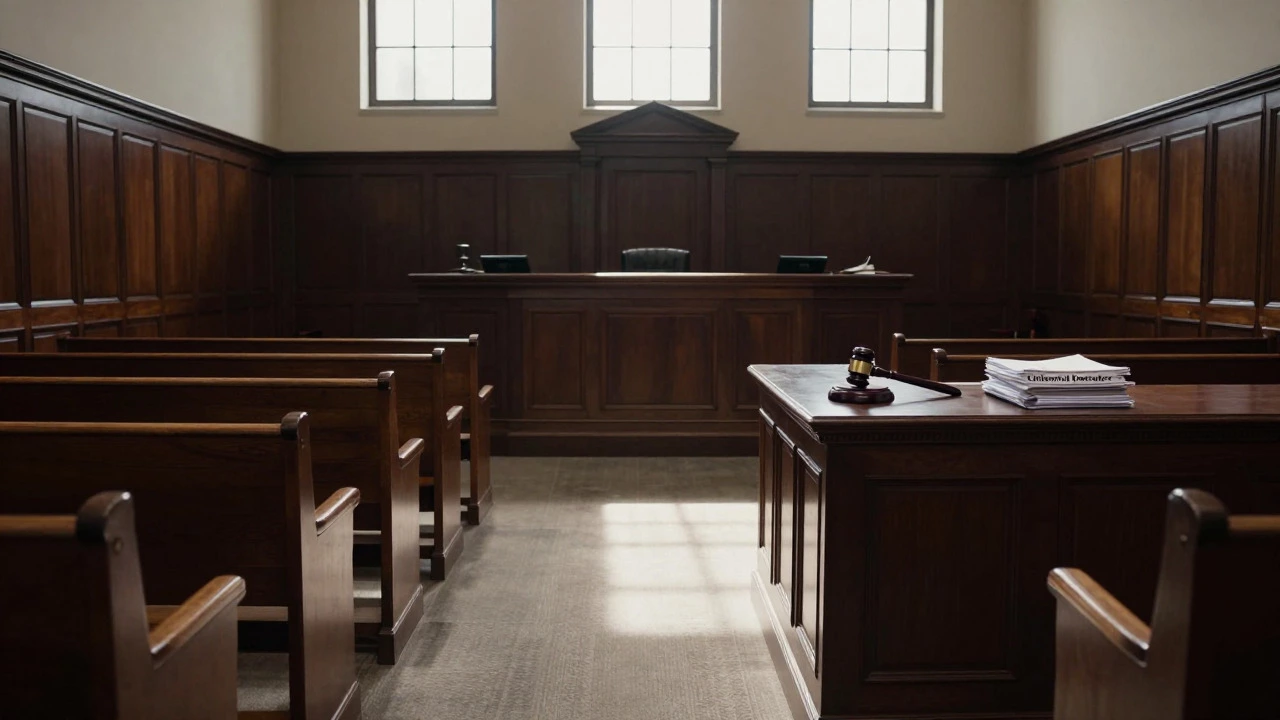
Tenant Protections and Defenses
Even if you owe rent, you may have valid defenses against eviction. For instance, if the landlord failed to maintain habitable conditions (like heat in winter or running water), you might withhold rent under the implied warranty of habitability. However, this is complex. You usually need to notify the landlord of the issue, give them a chance to fix it, and potentially place the withheld rent in an escrow account with the court. Withholding rent without following proper procedure can backfire badly.
Another protection is retaliation. If you recently complained about code violations or joined a tenant union, and the landlord suddenly serves an eviction notice for a minor late payment, it could be deemed retaliatory. Maryland law offers some protections against this, but evidence is key.
Practical Tips for Managing Rent Payments
To avoid stress and penalties, consider these strategies:
- Automate Payments: Set up auto-pay through your bank or a service like Zelle/Venmo if the landlord accepts it. This eliminates human error.
- Keep Records: Save every receipt, email confirmation, or canceled check. Digital trails are invaluable in disputes.
- Know Your Deadline: Mark the due date and the end of any grace period on your calendar. Set reminders for two days prior.
- Communicate Early: If you know you’ll be late, tell your landlord before the due date. Some may grant a one-time extension informally.
Special Cases: Section 8 and Subsidized Housing
If you receive housing assistance through Section 8 or other subsidized programs, the rules can be stricter. These programs often have federal guidelines that dictate shorter timelines for notices and stricter compliance requirements. Missing a payment could jeopardize your voucher eligibility. Always check with your local Public Housing Authority (PHA) for specific deadlines related to your subsidy.
Is there a legal grace period for rent in Maryland?
No, Maryland does not have a statewide statutory grace period for rent. Any grace period must be explicitly written into your lease agreement. If it is not in the lease, you are late the day after the due date.
How much can a landlord charge for late rent in Maryland?
Late fees must be "reasonable." While there is no fixed cap, courts typically uphold fees around 5% of the rent or a flat fee of $50-$100. Excessive fees may be challenged in court. The fee must be stated in the lease.
How long do I have to pay rent before eviction starts in Maryland?
After rent is late, the landlord must serve a "Demand for Rent" giving you five business days to pay. If you don't pay within those five business days, the landlord can file an eviction lawsuit.
Can a landlord lock me out for not paying rent?
Generally, no. Self-help evictions like changing locks or shutting off utilities are illegal in Maryland unless specifically allowed by a very narrow exception in the lease (which is rare). The landlord must go through the court process.
What happens if I pay rent late but within the grace period?
If your lease includes a grace period and you pay within that window, you should not incur a late fee. Ensure your payment method confirms the timestamp to prove you paid on time.