
Mortgage Default Timeline Estimator
Process Breakdown
| Stage | Duration | Status |
|---|
Imagine waking up to a letter from your bank. It says you’re behind on payments. The first thought that hits most homeowners isn’t panic-it’s confusion. How much time do I actually have before they take the house? In Australia, the answer isn’t a single number like "90 days." It’s a process, and understanding that process is the difference between losing your home and keeping it.
The short answer? You can live in your house for months, sometimes over a year, without paying your mortgage, provided you handle the early stages correctly. But if you ignore the signs, the clock starts ticking fast. Let’s break down exactly how this works, specifically within the Australian legal framework, so you know where you stand.
What Happens When You Miss a Payment?
Missing one payment doesn’t mean immediate eviction. Most lenders give you a grace period, often around 14 to 30 days, before they consider you formally in default. This is your buffer zone. If you catch up during this window, nothing changes. Your credit score might take a tiny hit, but the relationship remains intact.
However, once that grace period passes, the lender has the right to send a Default Notice. This document is critical. It outlines exactly how much you owe, including missed principal, interest, and any fees. Under Australian Consumer Law, you generally have 28 days from receiving this notice to pay off the full amount or make arrangements with the lender. If you don’t, the lender can start the formal recovery process.
The Foreclosure Timeline in Australia
This is where the "how long" question gets specific. The timeline varies by state, but let’s look at the general progression in states like South Australia (where Adelaide is located) and New South Wales, which share similar frameworks.
- Default Notice Issued: As mentioned, you get about 28 days to fix the issue.
- Sale Notice: If unpaid, the lender serves a notice of intention to sell. In many jurisdictions, this gives you another 30 to 60 days. During this time, you can still pay off the debt to stop the sale.
- Auction or Private Sale: If the debt remains unpaid, the lender lists the property. They are legally required to achieve a reasonable market price. This means they usually advertise it publicly. This stage can take anywhere from 45 to 90 days, depending on market conditions.
- Transfer of Title: Once sold, the new owner takes possession. You then have a final notice-often 7 to 14 days-to vacate the premises voluntarily. If you stay, they must go through the courts for an eviction order, which adds another 4 to 8 weeks.
So, mathematically, if you do absolutely nothing after missing a payment, you could be out of your home in roughly 4 to 6 months. But here’s the catch: this assumes the lender moves quickly and the market absorbs the property immediately. In a slower market, the auction phase alone can stretch to several months, giving you more time inside the walls, even if the debt is growing.
Equity Is Your Best Friend
Your Home Equity plays a massive role in how long you stay. Equity is the difference between what your house is worth and what you owe on it. If you have significant equity, you have options that those with little to no equity do not.
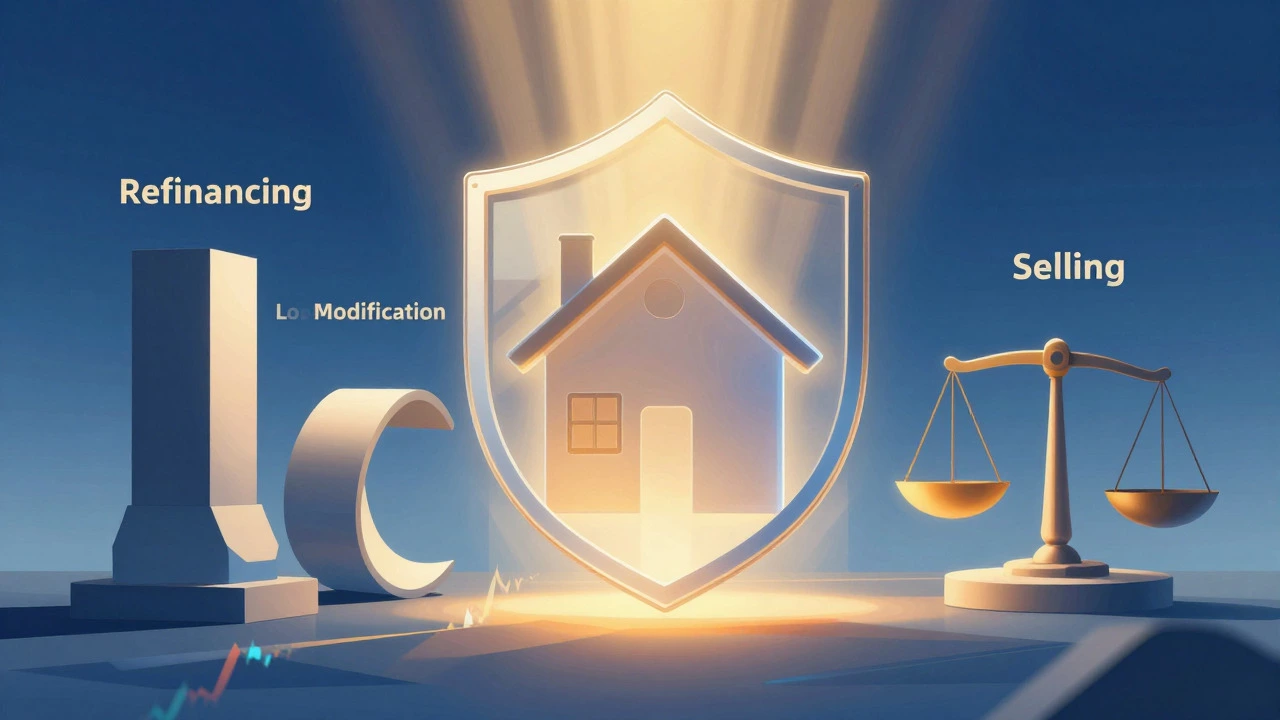
- Refinancing: If you have enough equity, you might qualify for a refinance with another lender who is willing to take over the debt, even if your current situation is tricky.
- Loan Modification: Lenders prefer to work with you rather than foreclose. A foreclosure costs them money in legal fees and administrative overhead. They may agree to extend your loan term or reduce your monthly payment temporarily.
- Selling Before Auction: If you sell the house yourself before the lender does, you control the timing and potentially get a better price. You use the proceeds to pay off the mortgage and walk away clean.
If you have negative equity (you owe more than the house is worth), your options shrink drastically. The lender will likely move faster because their risk is higher. In this scenario, the timeline compresses, and voluntary selling becomes harder because you’d need to bring cash to the table to cover the shortfall.
Comparing Scenarios: Active vs. Passive Response
The biggest variable in "how long you can live there" is your response speed. Here is a comparison of two typical scenarios based on Australian lending practices.
| Stage | Active Engagement (Calling Lender) | Passive Approach (Ignoring Notices) |
|---|---|---|
| Initial Missed Payments | 1-3 months (Negotiating hardship plan) | 1 month (Grace period expires) |
| Legal Notices | Potentially avoided via agreement | 28 days (Default Notice) + 30-60 days (Sale Notice) |
| Market Phase | N/A (Debt managed) | 45-90 days (Auction/Sale process) |
| Final Possession | Indefinite (if plan succeeds) | 7-14 days after sale (or court eviction) |
| Total Time in Home | Years (with modified terms) | 4-6 Months (minimum) |
Notice the difference. The active approach turns a crisis into a manageable financial adjustment. The passive approach triggers a legal machine that is hard to stop once it starts moving.
Common Myths About Mortgage Default
There are plenty of myths floating around online that can mislead homeowners. Let’s clear up a few.
Myth 1: "If I just keep living there, they can't touch me." This is false. While they can't kick you out instantly, they will eventually get a court order. Living there while ignoring the debt only increases the total amount you owe due to accruing interest and legal fees.
Myth 2: "Foreclosure wipes out my credit forever." Not quite. A foreclosure stays on your credit report for seven years in Australia. However, if you settle the debt or sell the property before the final sale, the impact is significantly less severe. A "settled account" looks better than a "foreclosed property."
Myth 3: "The bank wants my house, not my money." Banks are businesses. Their primary goal is to recover the cash value of the loan. They view foreclosure as a last resort because it’s expensive and time-consuming. They would much rather modify your loan than deal with the legal headache of taking back the title.

What Should You Do Right Now?
If you are currently struggling, do not wait for the second letter. Here is a practical checklist to protect your home:
- Call your lender immediately. Ask for a hardship variation. Many banks have dedicated teams for this. Explain your situation honestly.
- Gather documents. Have your payslips, bank statements, and expense records ready. This speeds up the assessment.
- Check your equity. Get a rough valuation of your property. Know if you have room to refinance.
- Consult a professional. Consider speaking to a financial counselor or a solicitor specializing in property law. In Australia, organizations like the National Debt Helpline offer free, confidential advice.
- Don’t hide assets. Lenders will investigate. Transparency builds trust and keeps the process collaborative rather than adversarial.
By acting early, you transform the narrative from "losing your home" to "managing a temporary financial dip." The house is yours until the legal process is complete, and you have more power than you think during that window.
Frequently Asked Questions
Can a landlord evict me immediately after I miss one mortgage payment?
No. In Australia, lenders typically allow a grace period of 14 to 30 days. After that, they must issue a formal Default Notice, giving you another 28 days to rectify the situation. Immediate eviction is rare and usually requires a court order, which takes months.
Does having high equity help me avoid foreclosure?
Yes, significantly. High equity allows you to refinance with a different lender or negotiate a loan modification with your current one. It also makes it easier to sell the property privately to pay off the debt before the lender forces a sale.
How long does the entire foreclosure process take in Australia?
On average, it takes 4 to 6 months from the first missed payment to the transfer of ownership if you do not intervene. This includes the notice periods, marketing the property, and the final sale. Court-ordered evictions can add another 2 to 3 months if you refuse to leave voluntarily.
Will my credit score drop if I negotiate a payment plan?
It might dip slightly due to reported late payments, but it is far better than a foreclosure. A negotiated hardship plan shows you are actively managing the debt. Once you resume normal payments, your score recovers much faster than if the property had been seized.
What happens if I move out but don't pay the mortgage?
You are still liable for the debt. Moving out does not cancel the contract. The lender will still pursue the property and any remaining balance. Additionally, leaving the property empty can lead to additional fees for maintenance or insurance lapses, increasing the total debt.