Maryland Rental Property Profitability Calculator
Property Details
Financial Analysis
Enter your property details to see estimated returns.
Buying a house to rent out feels like a smart move until you realize the state of Maryland has specific rules that can trip you up if you aren’t paying attention. You might think you just need to find a tenant and collect rent, but the reality is much more complex. From mandatory property registrations to strict security deposit limits, Maryland places a heavy emphasis on protecting tenants. If you skip even one step, you could face fines or legal battles that eat into your profits faster than any market downturn.
This guide breaks down exactly what you need to do to become a compliant landlord in Maryland. We will cover the legal paperwork, the financial rules, and the practical steps to ensure your rental business starts on solid ground.
Understanding Maryland’s Rental Property Laws
Before you list your property, you need to understand the landscape. Maryland does not have a single "landlord license" you apply for in Baltimore or Annapolis. Instead, compliance is built into various local and state regulations. The biggest hurdle for new landlords is often the Rental Property Registration, which is a mandatory process in many Maryland jurisdictions where owners must register their rental units with local housing authorities.
In cities like Baltimore, this isn't optional. The Baltimore City Department of Housing and Community Development requires all residential rental properties to be registered. This program ensures that properties meet basic health and safety standards. If you fail to register, you can be fined daily until you comply. Even if you live outside Baltimore, check your county codes. Many suburban counties have adopted similar registration ordinances to keep track of short-term rentals and long-term leases alike.
Another critical area is the Maryland Homeowners' Association (HOA) Rules, which are private contractual agreements that may restrict or prohibit renting out properties within certain communities.. Before buying a property to rent, read the HOA bylaws. Some associations cap the percentage of units that can be rented or require owner-occupancy. Ignoring this can lead to eviction lawsuits against you as the landlord, not just the tenant.
Step-by-Step Guide to Registering Your Rental Property
If you are ready to proceed, here is how you handle the administrative side of things. These steps vary slightly by locality, but the core process remains consistent across most regulated areas in Maryland.
- Check Local Requirements: Visit your city or county’s housing department website. Look for terms like "Rental Registration," "Housing Code Compliance," or "Landlord Registry." In Baltimore, you’ll use the online portal provided by the Department of Housing and Community Development.
- Gather Documentation: You will typically need proof of ownership (deed), a current property tax receipt, and sometimes a certificate of occupancy. Ensure your property insurance covers rental activities; standard homeowner policies often exclude liability for tenants.
- Submit the Application: Fill out the registration form. This usually involves providing your contact information, the property address, and details about the number of units. There is often a fee involved, ranging from $50 to $150 depending on the jurisdiction.
- Schedule an Inspection: Many registration processes trigger a routine inspection. Inspectors look for working smoke detectors, carbon monoxide alarms, safe electrical wiring, and adequate egress windows. Fix any violations before the inspector arrives to avoid delays.
- Display the Registration Certificate: Once approved, you must post the registration number or certificate inside the unit, usually near the entrance or in a common area. Tenants have the right to verify this status.
Failing to complete these steps doesn’t just risk a fine. It can void your ability to enforce lease terms in court. If a tenant sues you for habitability issues and you weren’t registered, the judge may view your lack of compliance as negligence.
Drafting a Compliant Lease Agreement
A handshake deal never works in real estate. In Maryland, your lease agreement is your primary legal shield. However, generic templates downloaded from the internet often miss state-specific clauses. Maryland law requires certain disclosures to be included in every lease.
The most important disclosure is the Lead-Based Paint Disclosure, which is a federal and state requirement for all housing built before 1978, informing tenants of potential lead hazards.. If your property was built before 1978, you must provide an EPA-approved pamphlet and a written disclosure statement. Failure to do so can result in triple damages in a lawsuit.
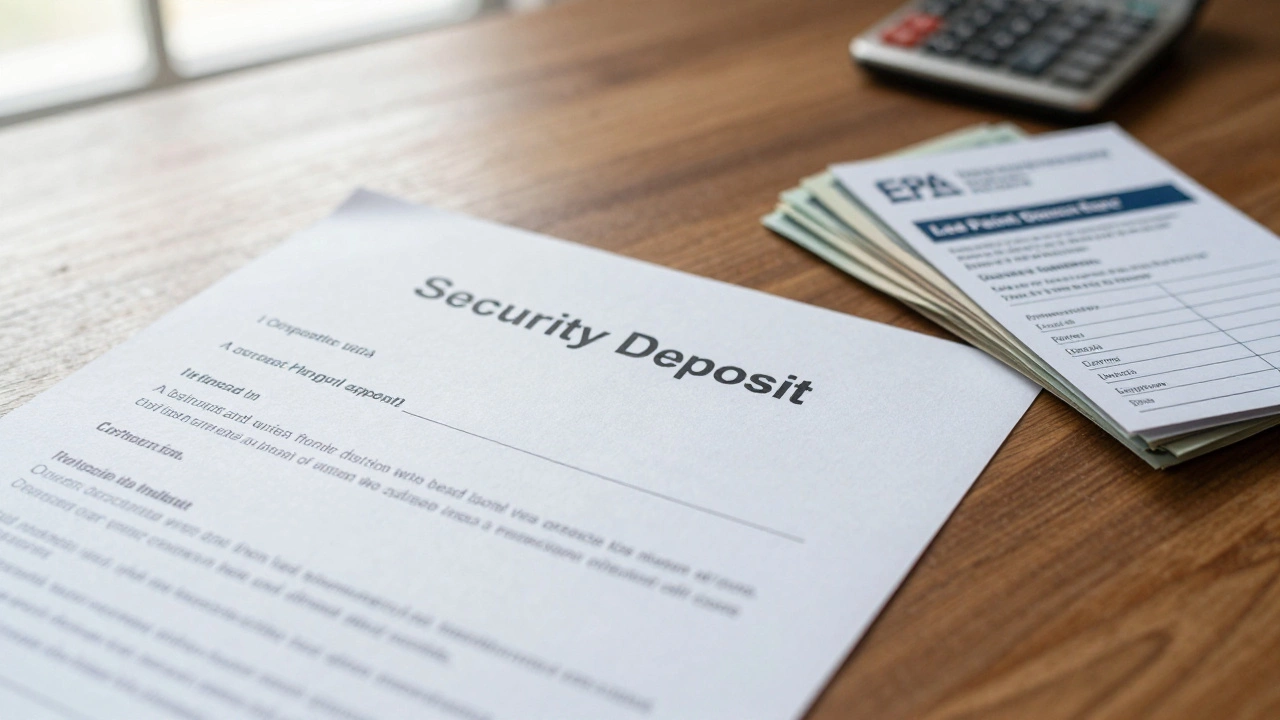
You also need to clearly outline security deposit rules. Maryland caps security deposits at two months’ rent for annual leases. You cannot charge more. Furthermore, you must place these funds in an interest-bearing account if the tenancy lasts more than six months, and you must pay the accrued interest to the tenant annually. Specify who pays for utilities, maintenance responsibilities, and entry notice periods. Maryland law requires 48 hours’ notice before entering a tenant’s unit, except in emergencies.
| Clause | Requirement | Penalty for Non-Compliance |
|---|---|---|
| Security Deposit Limit | Max 2 months' rent | Civil penalty, return of excess + interest |
| Entry Notice | 48 hours prior notice | Tenant may withhold rent or sue |
| Lead Paint Disclosure | Required for pre-1978 homes | Triple damages in litigation |
| Owner Identification | Name/address of owner/agent | Administrative fines |
Financial Responsibilities and Tax Implications
Becoming a landlord is a business, and the IRS treats it as such. You cannot simply deduct expenses from your personal income without proper documentation. You need to separate your personal finances from your rental income immediately.
Open a dedicated business bank account. All rent payments should go here, and all repairs, insurance premiums, and mortgage payments should come from there. This makes tax season significantly easier. You can deduct ordinary and necessary expenses, including:
- Mortgage interest
- Property taxes
- Insurance premiums
- Repairs and maintenance (not improvements)
- Advertising costs to find tenants
- Professional fees (legal, accounting, property management)
Be careful with the distinction between repairs and improvements. Repairing a leaky faucet is deductible. Replacing the entire kitchen plumbing system is a capital improvement that must be depreciated over 27.5 years. Mixing these up can trigger an audit. Consult with a CPA who specializes in real estate to set up your depreciation schedule correctly.
Tenant Screening and Fair Housing Laws
Choosing the right tenant is as important as choosing the right property. A bad tenant can destroy your property and your peace of mind. However, you must screen everyone equally to comply with the Fair Housing Act, which is federal law prohibiting discrimination based on race, color, religion, sex, national origin, familial status, or disability..
Maryland adds additional protected classes, including sexual orientation, gender identity, and ancestry. Your screening criteria must be objective and applied to every applicant. Use a standardized application that asks for:
- Rental history (previous landlords)
- Employment verification and income (aim for income 3x the rent)
- Credit report and score
- Criminal background check
Do not ask about marital status, children, or source of income (unless it’s a specific voucher program restriction). If you reject an applicant, you must provide a reason based on your stated criteria. Keep records of all applications and decisions for at least three years. This documentation protects you if a rejected applicant claims discrimination.

Maintenance Obligations and Habitability
In Maryland, landlords are legally required to maintain properties in a habitable condition. This is known as the implied warranty of habitability. You must ensure the property has:
- Working heating systems (especially critical during winter)
- Potable water supply
- Functional electricity and plumbing
- Structural integrity (roof, walls, floors)
- Pest control measures
If a tenant reports a major issue, like no heat in January, you must act quickly. Maryland law allows tenants to repair and deduct costs if the landlord fails to address urgent habitability issues after proper notice. To avoid this, establish a clear maintenance request process in your lease. Respond to non-emergency requests within a reasonable timeframe, typically 7-14 days, and emergency requests within 24 hours.
When to Hire a Property Manager
You don’t have to do everything yourself. Many successful landlords hire property managers, especially if they own multiple units or live out of state. A good manager handles tenant screening, rent collection, maintenance coordination, and legal compliance. They typically charge 8-12% of the monthly rent. While this cuts into your cash flow, it saves you time and reduces the risk of costly legal errors. Consider hiring one if you have more than three units or if you work full-time in another demanding career.
Do I need a license to be a landlord in Maryland?
No, Maryland does not require a statewide landlord license. However, many localities, such as Baltimore City, require rental property registration. Additionally, if you manage properties for others, you may need a real estate broker's license. Always check your specific city or county regulations.
How much security deposit can I charge in Maryland?
For annual leases, you can charge up to two months' rent as a security deposit. For month-to-month leases, the limit is one and a half months' rent. You must hold these funds in an interest-bearing account if the tenancy exceeds six months and pay the interest to the tenant annually.
What happens if my tenant doesn't pay rent?
You cannot evict a tenant without going through the court system. First, serve a 30-day notice to quit for non-payment. If the tenant still hasn't paid, file an unlawful detainer action in district court. Self-help evictions, like changing locks or shutting off utilities, are illegal in Maryland and can result in significant penalties.
Is rental property registration required in all of Maryland?
No, it depends on the locality. Baltimore City has strict registration requirements. Other counties and cities may have different rules or none at all. You must check with your local housing authority or zoning office to determine if your property needs to be registered.
Can I discriminate against tenants with Section 8 vouchers?
Generally, no. Federal fair housing laws protect individuals based on source of income in many contexts, and refusing Section 8 tenants can be considered discriminatory. However, you can still screen these applicants using the same credit and background checks as other tenants. Check local ordinances, as some cities explicitly ban source-of-income discrimination.