Maryland Rental Approval Estimator
Assessment Result:
Enter your financial details to see how a Maryland landlord might view your application.
You've found the perfect place in Silver Spring or a cozy spot in Annapolis, but then comes the dreaded question: "What's your credit score?" For many renters, this feels like a final exam they didn't study for. In Maryland, there isn't one single number carved into law that opens every door, but there are definitely unwritten rules that determine whether you get the keys or a rejection letter.
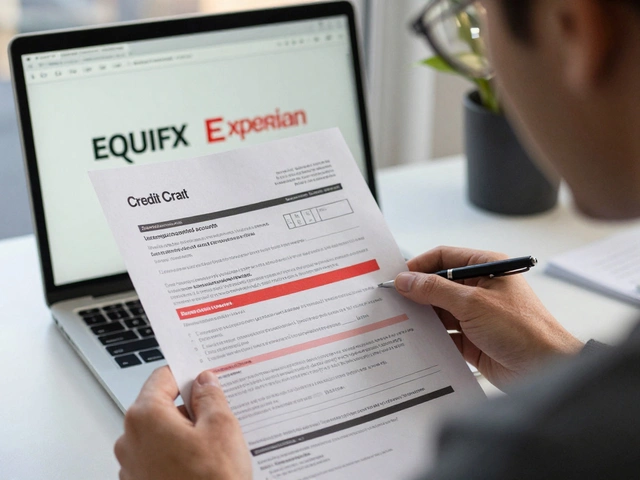
To start, let's talk about the credit score for renting. This is a numerical representation of a person's creditworthiness, typically calculated by bureaus like Equifax, Experian, and TransUnion, which landlords use to predict the likelihood of a tenant paying rent on time. While a mortgage lender might demand a specific number, a landlord in Maryland is often more flexible, looking at the bigger picture of your financial health rather than just a three-digit score.
Quick Takeaways for Maryland Renters
- 650+ is generally considered a "safe" score that attracts few questions.
- 600-650 is the middle ground where landlords may ask for more proof of income.
- Under 600 usually requires a co-signer or a larger security deposit.
- Income-to-rent ratio (usually 3x the rent) often matters more than the score itself.
- Maryland law doesn't set a minimum score, but it does regulate how deposits are handled.
The Credit Score Tiers in the Maryland Rental Market
Landlords in the Old Line State generally group applicants into three buckets. Understanding where you land helps you negotiate your lease terms before you even apply.
If your score is above 650, you're in the clear. Most corporate complexes in Bethesda or Baltimore will see this as a green light. You'll likely breeze through the application process and only need to provide standard pay stubs. These landlords view you as a low-risk tenant who manages debt well.
When you're in the 600 to 650 range, things get interesting. You aren't "risky," but you aren't a "sure thing" either. A landlord might wonder why the score is mid-range. Was it a medical bill from five years ago? Or just a lack of credit history? In this tier, you should be ready to provide a more detailed financial snapshot, such as bank statements showing a healthy savings cushion.
If your score is below 600, you're entering the "high-risk" zone. This doesn't mean you can't rent, but it does mean the power dynamic shifts. Large management companies might automatically decline you via an algorithm. However, private landlords-people renting out a single condo or a basement suite-are often more willing to listen to your story and look at your current income rather than your past mistakes.
| Score Range | Risk Level | Typical Requirement | Likelihood of Approval |
|---|---|---|---|
| 700+ | Very Low | Standard Application | Very High |
| 650-699 | Low | Standard Application | High |
| 600-649 | Moderate | Proof of Income/Savings | Moderate |
| Under 600 | High | Co-signer or Higher Deposit | Low to Moderate |
Income vs. Credit: Which One Wins?
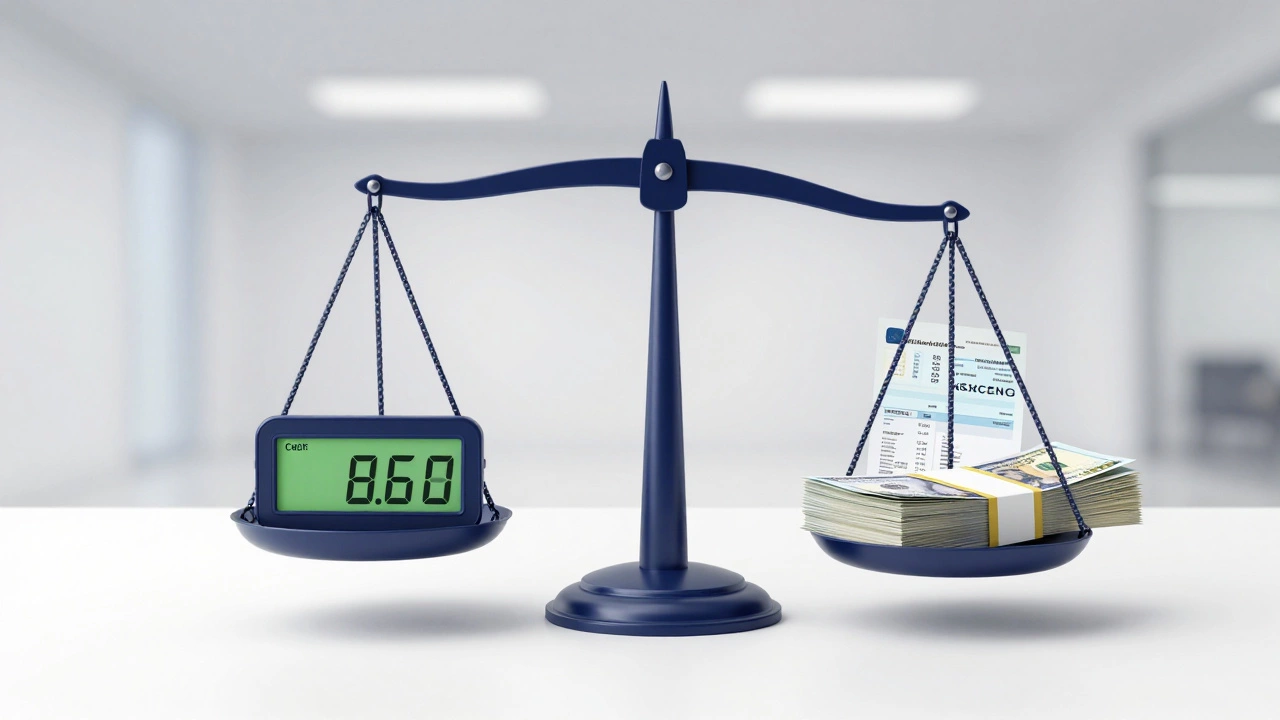
Here is a secret: a steady paycheck often beats a perfect credit score. Most Maryland landlords prioritize the Debt-to-Income Ratio over the actual credit number. The industry standard is the "3x Rule," meaning your gross monthly income should be at least three times the monthly rent.
Imagine two applicants. Person A has a 750 credit score but earns exactly 2.5x the rent. Person B has a 580 credit score but earns 5x the rent. In many cases, the landlord will pick Person B. Why? Because Person B has the actual cash flow to cover the rent even if a surprise expense pops up. The credit score tells the landlord about your behavior, but your income tells them about your ability to pay.
If you're worried about your score, lean heavily into your income documentation. Bring your most recent tax returns, a letter from your employer confirming your salary, and recent bank statements. Showing a "cash reserve" (three to six months of rent sitting in a savings account) can often neutralize a mediocre credit score.
Strategies for Renting with a Low Credit Score
If your credit is taking a hit, don't just send in an application and hope for the best. You need to be proactive. Waiting for a rejection is a waste of time and application fees.
First, consider a Co-signer. A co-signer (usually a parent or close relative) is someone with strong credit who signs the lease with you. They essentially guarantee the rent. If you stop paying, the landlord goes after them. This removes almost all the risk for the landlord and is the fastest way to get approved with a score under 600.
Second, offer a larger security deposit. While Maryland has laws regarding how much a landlord can charge for a security deposit (usually capped at two months' rent), offering the maximum allowed can show a landlord that you are committed and have skin in the game. It provides them a financial safety net if things go south.
Third, provide a "Rental Resume." This isn't a formal document, but a one-page summary that includes positive references from previous landlords. A letter from a past landlord saying, "This person paid on time every month for three years," is worth more than any credit report. It proves that even if you struggled with a credit card or a student loan, you prioritize your housing payments above all else.
Maryland Legal Realities and Rental Rights
It's important to know that while landlords can use credit scores to screen you, they must follow the Fair Credit Reporting Act. If a landlord rejects you based on information in your credit report, they are required to give you an "adverse action notice." This notice tells you which credit reporting agency provided the data so you can dispute any errors.
Another point of caution is the application fee. In Maryland, some landlords charge high fees to run credit and background checks. Before you pay, ask if the fee is refundable if you're denied or if it applies toward your first month's rent. Be wary of "application fees" that exceed $50-$100, as these can sometimes be predatory.
You should also be aware of the difference between a "hard pull" and a "soft pull." A hard pull can dip your credit score by a few points. If you are applying to ten different apartments in one week, those hard pulls can add up. Ask the landlord if they can do a preliminary screening with a soft pull before you commit to a full application.

Finding the Right Landlord for Your Situation
Not all landlords are created equal. If you have credit challenges, you need to change where you are looking. Avoid the massive, corporate-owned high-rises. These companies use automated software that will auto-reject any score below a certain threshold (often 620) without a human ever seeing your file.
Instead, look for "mom-and-pop" landlords. These are individuals who own a few properties and manage them themselves. They are more likely to listen to your explanation, look at your actual bank balance, and give you a chance based on a face-to-face meeting. Check local community boards, Facebook Marketplace, or Craigslist (with caution) to find these independent owners.
When meeting a private landlord, be honest. If you have a 550 score because of a specific event-like a medical emergency or a divorce-tell them upfront. Most humans are empathetic to life's chaos, but they hate being surprised. If you tell them about the low score before they run the check, it shows honesty and transparency, which are traits every landlord wants in a tenant.
Can I rent an apartment in Maryland with no credit score?
Yes, it's possible. If you have "thin file" credit (meaning you've never had a loan or credit card), you are not seen as a risk, but as an unknown. Provide a co-signer, show a significant amount of money in a savings account, or provide a history of on-time payments for other utilities like electricity or phone bills to prove reliability.
Does Maryland law prohibit landlords from rejecting me due to credit?
No, Maryland law does not prevent landlords from using credit scores as a criterion for renting. However, they cannot use credit reports to discriminate based on race, religion, or other protected classes under the Fair Housing Act.
How long does a credit check take during a rental application?
Usually, it's almost instant. Most landlords use digital screening services that provide a report within minutes. However, if they are manually verifying references or employment, the whole approval process can take 24 to 72 hours.
Can I negotiate the security deposit if my credit is low?
Absolutely. You can offer to pay a larger deposit (up to the legal limit in Maryland) in exchange for a lower credit requirement. This gives the landlord peace of mind that their investment is protected if you default on rent.
Will paying my rent on time help improve my credit score?
Not automatically. Most landlords do not report on-time rent payments to credit bureaus. If you want this to help your score, you can use third-party rent-reporting services that verify your payments and send them to the credit bureaus for a small monthly fee.
Next Steps and Troubleshooting
If you've been rejected due to your credit score, don't panic. Start by requesting the specific report the landlord used. Check for errors; it's surprisingly common to find a debt listed twice or an account that was closed but still shows as open.
If you're a first-time renter, consider starting with a smaller, less competitive unit to build a rental history. Once you have a year of successful tenancy in Maryland, that history becomes a powerful tool that can outweigh a low credit score when you eventually move to a nicer place.
For those with severely damaged credit, looking into "guarantor services" can be a lifesaver. These are companies that act as a professional co-signer for a fee, allowing you to pass the credit check without needing a family member to step in.