Utah Property Tax Relief Estimator
Calculate your potential property tax relief in Utah based on your income and last year's tax bill. Utah's Property Tax Relief Program can save seniors thousands of dollars if you meet the requirements.
Many people in Utah assume that once they hit a certain age-like 65 or 70-they no longer have to pay property taxes. That’s not true. There’s no automatic cutoff in Utah where property taxes disappear because you’re older. But there are programs that can help seniors reduce or freeze their tax bills, and knowing how they work can save you thousands.
There’s no automatic age when property taxes stop in Utah
Unlike some states that fully exempt seniors from property taxes after age 65, Utah doesn’t have a law that says, “Once you’re 70, you’re off the hook.” You still owe property taxes every year, no matter how old you are. The state doesn’t erase your tax bill just because you’re retired or living on a fixed income.
But here’s what most people don’t realize: you don’t have to pay the full amount. Utah offers several programs designed to help seniors manage their property tax burden. These aren’t automatic-you have to apply. And if you miss the deadline, you won’t get the break for that year.
How the Property Tax Relief Program works
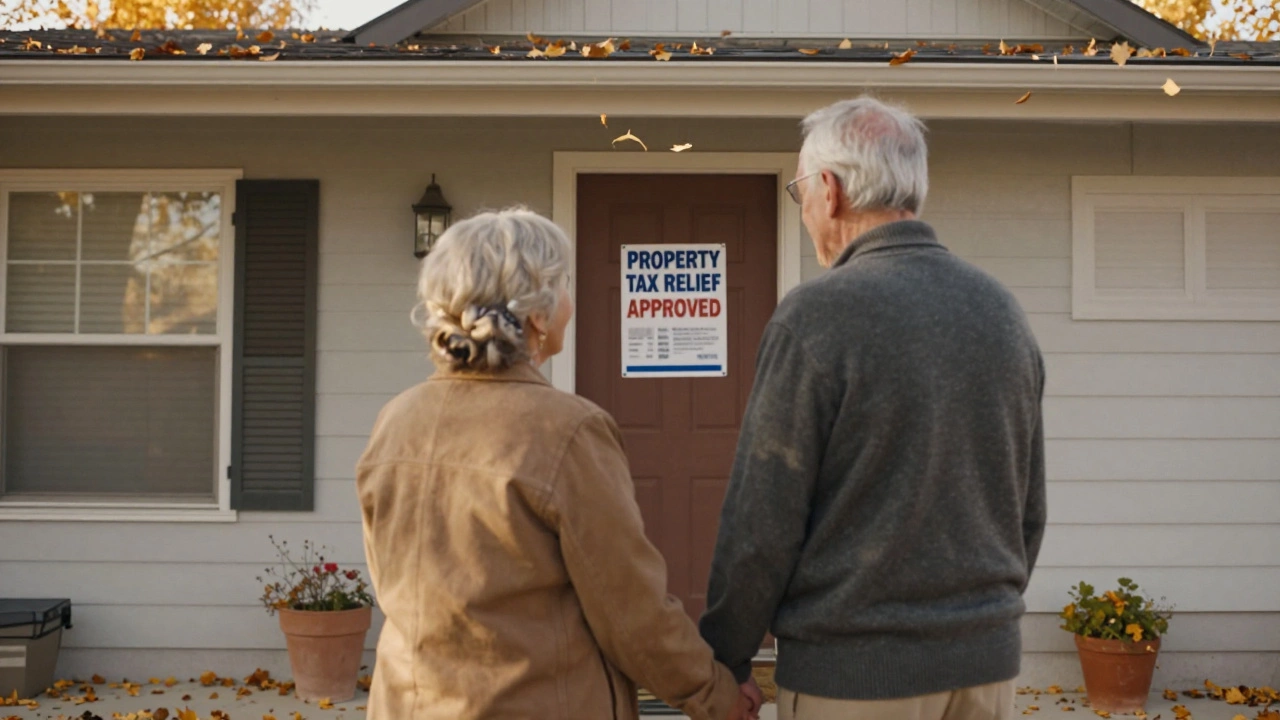
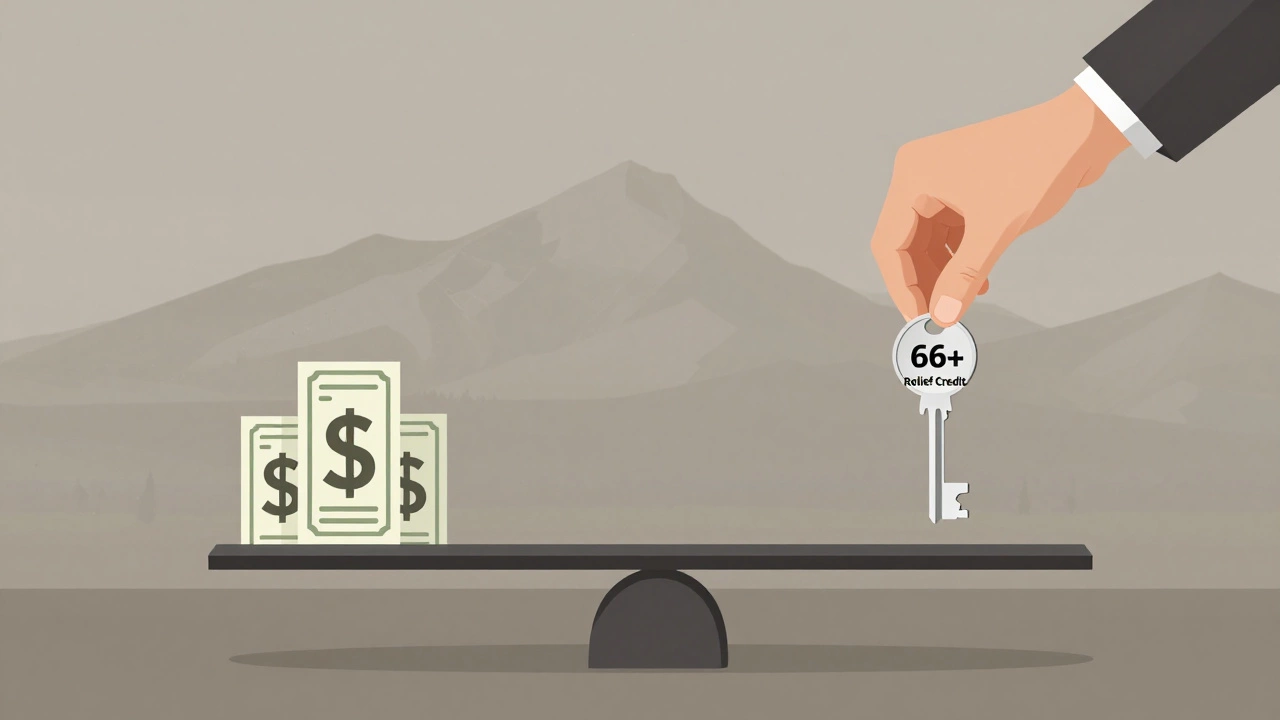
The main program that helps seniors in Utah is called the Property Tax Relief Program. It’s run by the Utah State Tax Commission and is available to homeowners who are 66 years old or older by December 31 of the tax year. You also need to have lived in the home as your primary residence for at least 10 consecutive years.
This program doesn’t eliminate your tax bill. Instead, it gives you a credit that reduces the amount you owe. The credit is based on your income and the amount of property tax you paid the year before. If your household income is under $40,000 (as of 2025), you could get a credit that covers up to 100% of your property tax bill for that year.
Let’s say your property tax bill is $3,200 and your income is $35,000. You could qualify for a full credit, meaning you pay nothing. If your income is $45,000, you might get a partial credit-maybe $1,500 off. The state uses a sliding scale, so the higher your income, the less you get.
You must reapply every year
One big mistake people make is thinking once they qualify, they’re set for life. You have to reapply every year. The deadline is usually April 15, but it can change slightly. If you don’t file by then, you lose the credit for that year-even if you qualified.
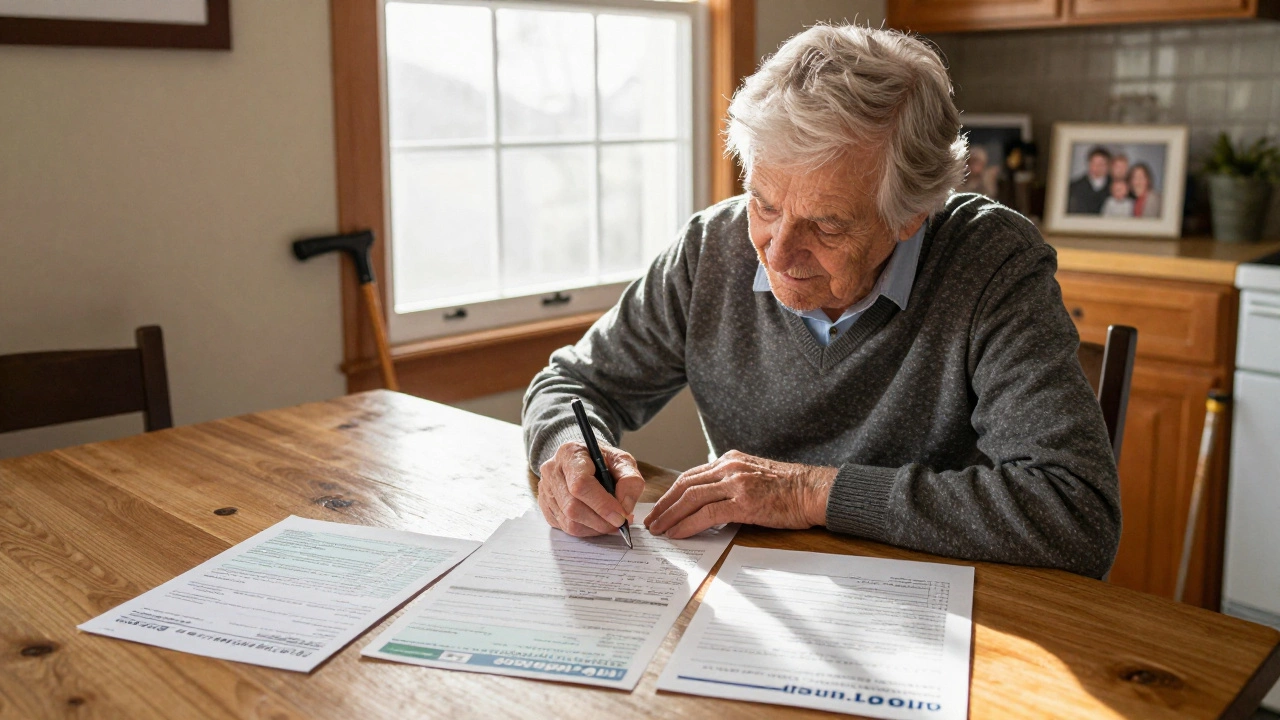
The application is simple. You’ll need your Social Security number, proof of age (like a driver’s license or birth certificate), proof of residency (utility bills or voter registration), and your income documentation (Social Security statement, pension records, or tax return). You can apply online through the Utah State Tax Commission website or mail in a paper form.
What counts as income for this program?
The state looks at your total household income, not just your personal earnings. That includes:
- Social Security benefits
- Pensions and retirement distributions
- Interest and dividends
- Wages from part-time work
- Alimony or spousal support
- Any other taxable income
Important: Social Security is included in the calculation. Some people assume it’s not counted, but it is. If you and your spouse together make $42,000 from Social Security and a small pension, you’re still eligible for a partial credit.
Other programs that can help
There’s also the Homestead Exemption, which is separate from the relief program. This gives you a $1,000 reduction in the assessed value of your home, which lowers your tax bill. You don’t need to be 66 to qualify for this-you just need to own and live in the home. You only need to apply once, unless you move.
Some counties offer additional relief. For example, Salt Lake County has a program that freezes property tax increases for seniors who meet income and residency rules. That means even if your neighborhood’s property values go up 10% next year, your tax bill won’t rise beyond what it was when you qualified.
And if you’re disabled-not just elderly-Utah has a separate disability exemption that can reduce your tax bill even more. You don’t need to be 66 to qualify for this one. You just need to have a permanent disability verified by the Social Security Administration.
What happens if you move?
If you sell your home and move to a new one, you lose your eligibility for the relief program-unless you buy another home and reapply. The 10-year residency requirement starts over. So if you’ve lived in your house for 12 years and then move to a smaller place in another county, you’ll have to wait another 10 years to qualify again.
That’s why many seniors choose to stay put. Even if their home gets bigger than they need, they keep it because the tax savings are worth it. Some even rent out a room to cover costs instead of selling.
Common mistakes seniors make
Here are the top three mistakes people make with Utah’s property tax relief:
- Assuming the credit is automatic. It’s not. You must apply every year.
- Waiting until the last minute. Applications are due April 15. If you miss it, you can’t get the credit retroactively.
- Not reporting income changes. If your income goes up because you inherited money or started a small side business, you might no longer qualify for the full credit. But you still need to file-otherwise, you risk getting audited or having to pay back money later.
Many seniors don’t realize that even if they think they don’t qualify, they should still apply. The state’s income limits are flexible, and the credit can be partial. A $500 reduction might not seem like much, but it adds up over time.
What if you’re under 66?
If you’re younger than 66, you still have options. The Homestead Exemption ($1,000 reduction) is available to anyone who owns and lives in the home. If you’re disabled, you can apply for the disability exemption regardless of age. And if you’re on a fixed income-even if you’re 55-you might qualify for local county assistance programs.
Some counties have emergency relief funds for homeowners facing financial hardship. These aren’t well advertised, but they exist. Call your county assessor’s office and ask. Don’t assume you don’t qualify-you might be surprised.
How to get started
Here’s what to do right now:
- Check your current property tax bill. Note the amount you paid last year.
- Gather your income documents: Social Security statement, pension info, bank statements showing interest.
- Confirm your residency: Do you have utility bills or voter registration showing you’ve lived at the same address for at least 10 years?
- Go to tax.utah.gov/property-relief and download the application.
- Submit it before April 15.
Even if you’re not sure you qualify, apply. The worst that happens is you get a letter saying you didn’t qualify. But if you don’t apply, you’ll pay full price-and you won’t get a second chance until next year.
Bottom line
You never stop paying property taxes in Utah just because you’re old. But you can stop paying the full amount. The Property Tax Relief Program is your best tool-if you use it. Thousands of seniors in Utah save hundreds or even thousands of dollars every year by filing on time. Don’t let confusion or misinformation cost you money. Take 20 minutes this month to fill out the form. It could mean the difference between keeping your home or being forced to sell.
Do you stop paying property taxes in Utah when you turn 65?
No, you don’t automatically stop paying property taxes at 65. You must be 66 by December 31 of the tax year to qualify for the Property Tax Relief Program. Even then, you need to apply every year to get a credit that reduces your bill.
Is there a maximum age for property tax relief in Utah?
No, there’s no upper age limit. Even if you’re 90, you can still apply for the Property Tax Relief Program as long as you meet the income and residency requirements. The program doesn’t expire based on age.
Can I get property tax relief if I rent my home?
No. The Property Tax Relief Program only applies to homeowners who live in the property as their primary residence. Renters don’t pay property taxes directly, so they don’t qualify for these credits.
What if my property value goes up but my income stays the same?
Your tax bill may increase because property taxes are based on assessed value. But the relief credit is calculated based on your previous year’s tax bill and your income. So while your bill might go up, the credit will still reduce it by the same percentage as before. Some counties also offer tax freezes for seniors-ask your assessor.
Can I get help if I’m disabled but under 66?
Yes. Utah offers a separate Disability Homestead Exemption that reduces your property tax bill regardless of age. You need proof of permanent disability from the Social Security Administration. Apply through your county assessor’s office.
Do I need to reapply every year even if my situation hasn’t changed?
Yes. The state requires you to reapply every year, even if your income, age, and home haven’t changed. Missing the April 15 deadline means you lose the credit for that year, and you can’t get it back later.
What happens if I inherit a home from my parents?
If you inherit a home and move in, you start fresh. The 10-year residency requirement resets. You’ll need to live there for 10 years before you qualify for the Property Tax Relief Program. You can still apply for the Homestead Exemption right away, though.
If you’re thinking about buying land in Utah and plan to retire there, make sure you understand how property taxes work. Don’t assume the land will be tax-free just because you’re older. Plan ahead-apply for relief early, and keep your documents organized. The savings are real, but only if you take action.