When you buy property for investment, you’re not just buying bricks and mortar—you’re buying a property investment return, the profit you earn from owning and renting or selling real estate over time. Also known as real estate ROI, it’s what separates smart buyers from those who just hope prices go up. Many people think property investment return means waiting for the market to rise. But the real winners focus on cash flow, tenant demand, and how the numbers add up before they sign anything.
A good rental income, the monthly money you collect from tenants after expenses is the backbone of any solid property investment return. If your rent doesn’t cover your mortgage, taxes, insurance, and repairs—with money left over—you’re not making money, you’re just delaying a loss. That’s why investors in places like Virginia and Texas pay close attention to rent-to-price ratios. A $200,000 house that brings in $2,000 a month in rent is a very different play than one that only brings $1,200, even if both are in the same city.
Then there’s the cap rate, a simple formula that shows how much profit a property generates compared to its price. It’s not fancy, but it’s one of the most reliable tools for comparing deals. If a commercial property costs $1 million and nets $60,000 a year in income, its cap rate is 6%. That’s better than most savings accounts. But cap rates vary wildly by location. A 5% cap rate in New York might be average, while in parts of Mississippi or North Dakota, you could find 8% or higher. That’s where the real opportunities hide.
You also need to think about what drives tenant demand. A 2K apartment might be cheap to buy, but if no one wants to rent it because it lacks a proper bedroom, your return dies before it starts. Same with commercial spaces—if the CPM price for ads on the building’s sign is low because no one passes by, you’re not earning from that asset. Property investment return isn’t about the sticker price. It’s about what happens after you buy: who lives there, how much they pay, and whether the place holds its value when you’re ready to sell.
And don’t forget taxes. In Utah, seniors get breaks. In Virginia, landlords need licenses. In New York, you need certified property records to prove ownership. These aren’t footnotes—they’re part of your return calculation. A deal that looks great on paper can vanish if you didn’t account for hidden fees, legal risks, or maintenance surprises.
Below, you’ll find real examples of what works—and what doesn’t—in today’s market. From how much space a 2-bedroom apartment should have to whether 2% cash back on a commercial sale is worth it, these posts cut through the noise. No fluff. Just the numbers, the rules, and the truths that actually affect your bottom line.
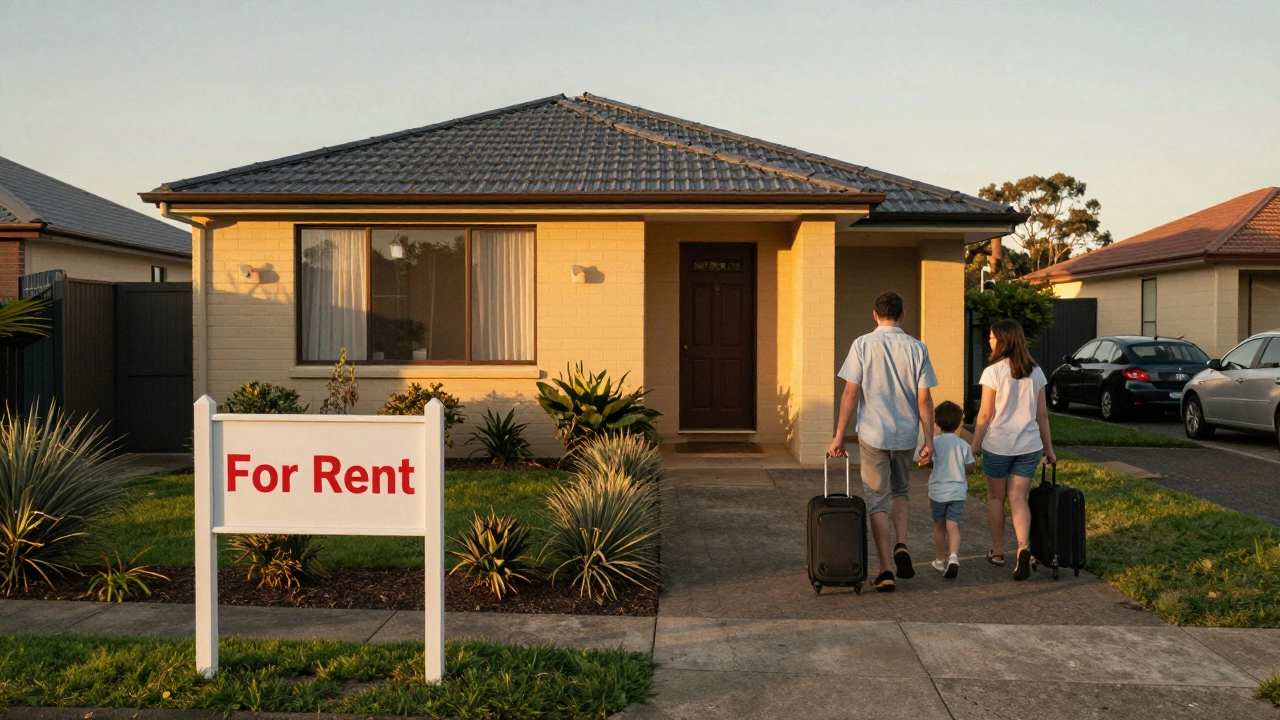
Discover how much profit you should realistically make from a rental property in Adelaide. Learn net yield targets, cost breakdowns, and strategies to boost returns without chasing risky high-yield areas.
 0
0
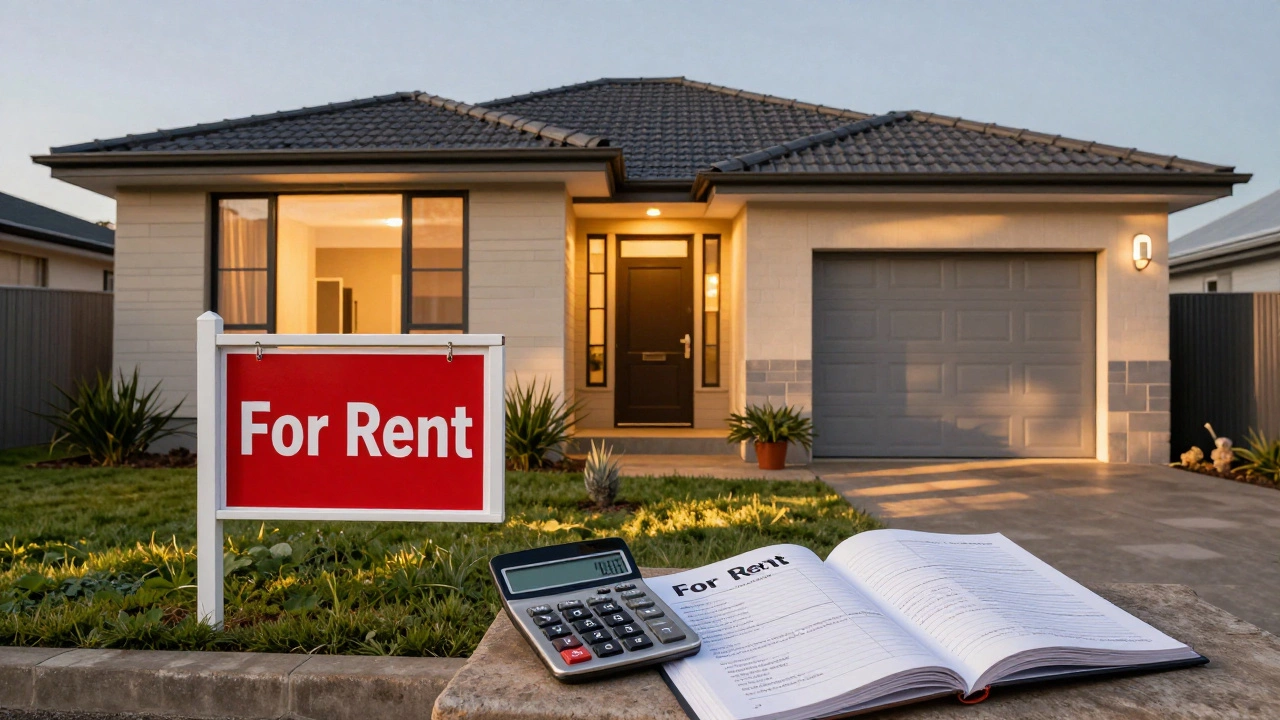
Find out how much profit you should realistically make on a rental property in Adelaide. Learn the numbers behind rental yields, cash flow, and long-term wealth building-without the hype.
0