Cost of Living Comparison Calculator
See how much you could save by living in Mississippi versus the national average or other affordable states
Enter your income to see your potential savings
When you’re trying to stretch your paycheck further, where you live can make the biggest difference in your wallet. It’s not just about rent or mortgage payments - it’s groceries, utilities, gas, taxes, and even the cost of seeing a doctor. In 2026, the state with the lowest overall cost of living isn’t the one you might expect. It’s not a rural backwater with no jobs. It’s not a place with terrible weather. It’s Mississippi.
Why Mississippi Leads as the Cheapest State
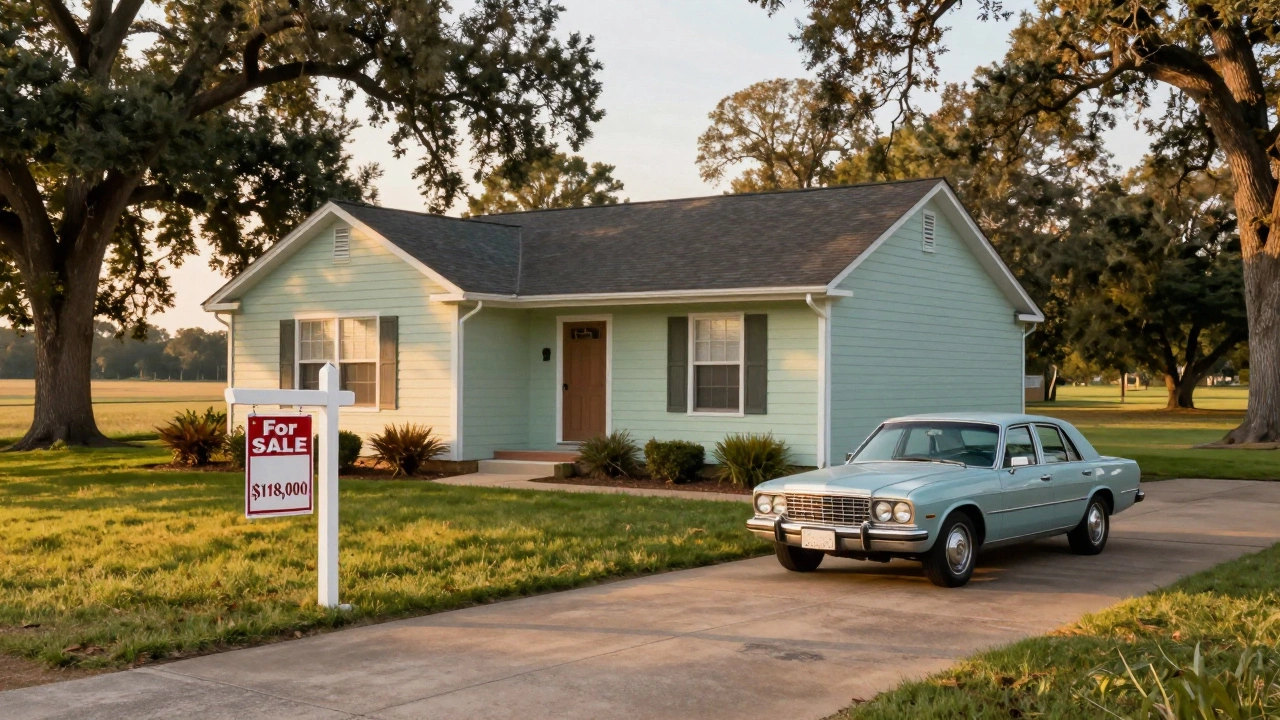
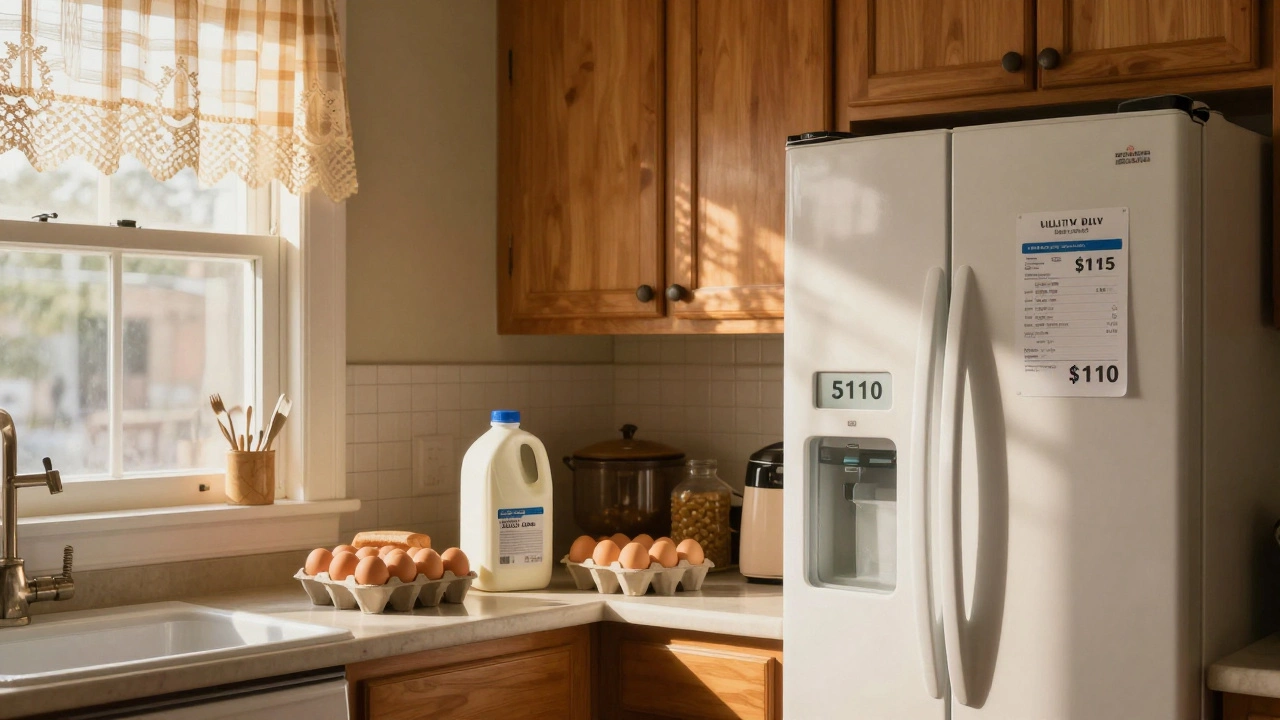
Mississippi has held the title of the most affordable state for nearly a decade now, and 2026 is no exception. The average annual cost of living for a single adult is $36,170. That’s nearly $10,000 less than the national average of $46,000. The median home price is around $175,000 - less than half the national median of $390,000. In Jackson, you can find a three-bedroom, two-bath house for under $120,000. In rural areas like Clarksdale or Greenville, prices drop even lower.Utilities are cheaper, too. The average monthly electric bill is $115, compared to $150 in Texas and $200 in California. Water and sewer costs are among the lowest in the country. Gas prices hover around $2.85 per gallon, which is below the national average. Even groceries cost less. A gallon of milk runs about $3.10. A dozen eggs? $2.40. A loaf of bread? $2.10. These aren’t outliers - they’re the norm.
What about taxes? Mississippi has no state income tax on Social Security. The state income tax rate maxes out at 5%, but most people pay far less. Property taxes are the lowest in the U.S. - just 0.57% of home value on average. In Hattiesburg, a $180,000 home pays about $1,026 a year in property taxes. In New Jersey, that same home would pay over $6,000.
How Mississippi Compares to Other Cheap States
Mississippi isn’t alone in being affordable. But it’s the only one that wins across every major category. Here’s how it stacks up against the next cheapest states in 2026:| State | Median Home Price | Monthly Rent (1-Bed) | Property Tax Rate | Cost of Living Index |
|---|---|---|---|---|
| Mississippi | $175,000 | $780 | 0.57% | 83.2 |
| Arkansas | $192,000 | $820 | 0.63% | 85.1 |
| Oklahoma | $201,000 | $870 | 0.72% | 86.4 |
| Kentucky | $210,000 | $910 | 0.74% | 87.3 |
| Missouri | $218,000 | $930 | 0.78% | 87.9 |
Mississippi wins by a clear margin. Arkansas comes close, but its rent and property taxes are higher. Oklahoma has cheaper gas but more expensive healthcare. Kentucky has low housing costs, but its utility bills are rising faster than in Mississippi. Missouri’s job market is stronger, but so are its taxes. Mississippi balances low costs without sacrificing basic access to services.
What You Don’t Get - And What You Do
Affordability doesn’t mean everything is perfect. Mississippi has lower wages. The average hourly wage is $17.25, compared to $25.50 in California. But here’s the catch: you don’t need to earn as much to live well. A $40,000 salary in Mississippi goes further than a $65,000 salary in Florida or Colorado. You can buy a house outright with a single income. You can pay cash for a used car. You can afford to eat out twice a week without budgeting.Healthcare access is a concern. Rural areas have fewer doctors. Emergency rooms in smaller towns may be hours away. But Medicaid expansion in 2023 improved coverage for low-income families. Community health centers are now available in 90% of counties. Prescription drugs cost 18% less than the national average. A 30-day supply of metformin? $4. Insulin? $25 with a coupon.
Public transportation is limited outside Jackson and Tupelo. But if you have a car - and most people do - gas is cheap, and insurance rates are among the lowest in the country. The average annual car insurance premium is $1,280, compared to $2,800 in Michigan or $3,100 in Louisiana.
Who Thrives in Mississippi?
This isn’t just a state for retirees on fixed incomes. It’s for remote workers, young families, and people starting over. A teacher making $45,000 can buy a home. A nurse earning $55,000 can save $15,000 a year. A freelancer working online can live in a quiet town with no renter’s insurance, no HOA fees, and no city parking tickets.Mississippi’s cost of living doesn’t come with the hidden traps you find elsewhere. No mandatory renter’s insurance. No city income tax. No high property taxes on second homes. No mandatory water fees for landscaping. There’s no $200/month fee for trash pickup in Jackson - it’s included in your property tax bill.
And if you’re looking for a change of pace? You get four seasons, decent schools in mid-sized towns, and a culture that values community. The food is cheap and good. The people are friendly. The pace is slow. You’re not paying for a skyline. You’re paying for a life.
Myths About Cheap States
People assume cheap means unsafe, poorly educated, or isolated. That’s not true here. Mississippi’s crime rate is higher than the national average, but most violent crime is concentrated in a few urban areas. Outside of Jackson, many towns have lower crime than suburbs in Ohio or Illinois. The state ranks 42nd in education - but that’s misleading. Top public schools in Oxford and Starkville are on par with mid-tier schools in Texas or Arizona. The University of Mississippi offers affordable tuition - $9,800 a year for in-state students.Another myth: you can’t find jobs. That’s outdated. Amazon opened a fulfillment center in Tupelo in 2024. Walmart expanded its distribution hub in Jackson. Remote work is booming. Telehealth services are now standard. Telecommuting jobs are growing 23% faster in Mississippi than in the U.S. as a whole.
Is Mississippi Right for You?
If you’re looking for the lowest possible monthly expenses - housing, utilities, food, taxes - Mississippi is your best bet. It’s not glamorous. It’s not trendy. But if your goal is to live without debt, save money, and build financial security, it’s hard to beat.It’s not for everyone. If you need a bustling nightlife, a wide variety of ethnic restaurants, or daily public transit, you’ll want to look elsewhere. But if you value peace, space, low costs, and a slower rhythm of life, Mississippi delivers more than just cheap rent.
The real question isn’t whether Mississippi is the cheapest state. It’s whether you’re willing to trade a few conveniences for real financial freedom. For thousands of people in 2026, the answer is yes.
Is Mississippi really the cheapest state to live in 2026?
Yes. Mississippi has the lowest overall cost of living in the U.S. in 2026, based on housing, utilities, groceries, transportation, healthcare, and taxes. The average single adult spends $36,170 per year - nearly $10,000 less than the national average.
What are the downsides of living in Mississippi?
Wages are lower than the national average, and healthcare access is limited in rural areas. Public transportation is minimal outside major cities. Some people find the pace too slow or miss cultural amenities. Crime rates are higher in urban centers, but most towns are safe.
Can you buy a house in Mississippi with cash?
Absolutely. The median home price is $175,000. With a modest savings plan, many people can buy a home outright. In rural areas, homes under $100,000 are common. Property taxes are so low that owning a home without a mortgage is financially sustainable.
How does Mississippi’s tax system help residents?
Mississippi has no state income tax on Social Security. The top income tax rate is 5%, but most residents pay under 3%. Property taxes are the lowest in the country - just 0.57% of home value. There’s no city income tax, no vehicle registration fee based on value, and no estate tax.
Are jobs hard to find in Mississippi?
Not anymore. While traditional industries have declined, new logistics centers, remote work hubs, and healthcare facilities are expanding. Amazon, Walmart, and regional hospitals are hiring. Remote jobs are growing faster here than in most states. The unemployment rate in 2026 is 3.8%, slightly below the national average.
Is Mississippi a good place for retirees?
Yes. With low housing costs, affordable healthcare, no tax on Social Security, and mild winters, Mississippi is ideal for retirees on fixed incomes. Many communities offer senior discounts on utilities, property tax freezes, and free transportation services.