Commercial Property ROI Calculator
Calculate Your Commercial Property ROI
Input your property details to determine your cash-on-cash return on investment. This tool calculates based on Australian commercial property standards.
ROI Results
Annual Gross Rent:
Total Annual Expenses:
Net Operating Income (NOI):
Cash-on-Cash ROI:
Industry Context: In Australia, commercial property returns typically range from 5.5% to 8.5%. This tool calculates cash-on-cash ROI based on your inputs.
Note: This does not include property appreciation or tax effects. For a complete picture, consider consulting a financial advisor.
When you buy a commercial property, you’re not just buying space-you’re buying income. But how much income is enough? A good ROI on a commercial property isn’t a number pulled from a dream. It’s shaped by location, tenant quality, market cycles, and your own goals. In Australia, especially in cities like Adelaide, Melbourne, and Sydney, investors are seeing returns between 5% and 9% annually. But that range doesn’t tell the whole story.
What ROI Actually Means for Commercial Property
ROI, or return on investment, is simple: it’s the money you make from a property compared to what you paid for it. For commercial real estate, this usually means annual net income divided by the total cost of the investment. You don’t just look at rent. You subtract everything: property taxes, insurance, maintenance, management fees, vacancies, and repairs. What’s left is your net operating income (NOI). Then you divide that by your total cash outlay-down payment, closing costs, renovations, and any upfront fees.
Let’s say you buy a small retail strip center in Adelaide for $1.2 million. You put $300,000 down. After all expenses, you net $72,000 in rent each year. Your ROI is 72,000 ÷ 300,000 = 24%. That sounds amazing, right? But wait-this is cash-on-cash ROI, not total return. The full picture includes property appreciation. If the building grows in value by 3% a year, that’s another $36,000. Now your total return is closer to 36%. That’s what separates good investments from great ones.
What’s Considered a Good ROI in Australia Right Now?
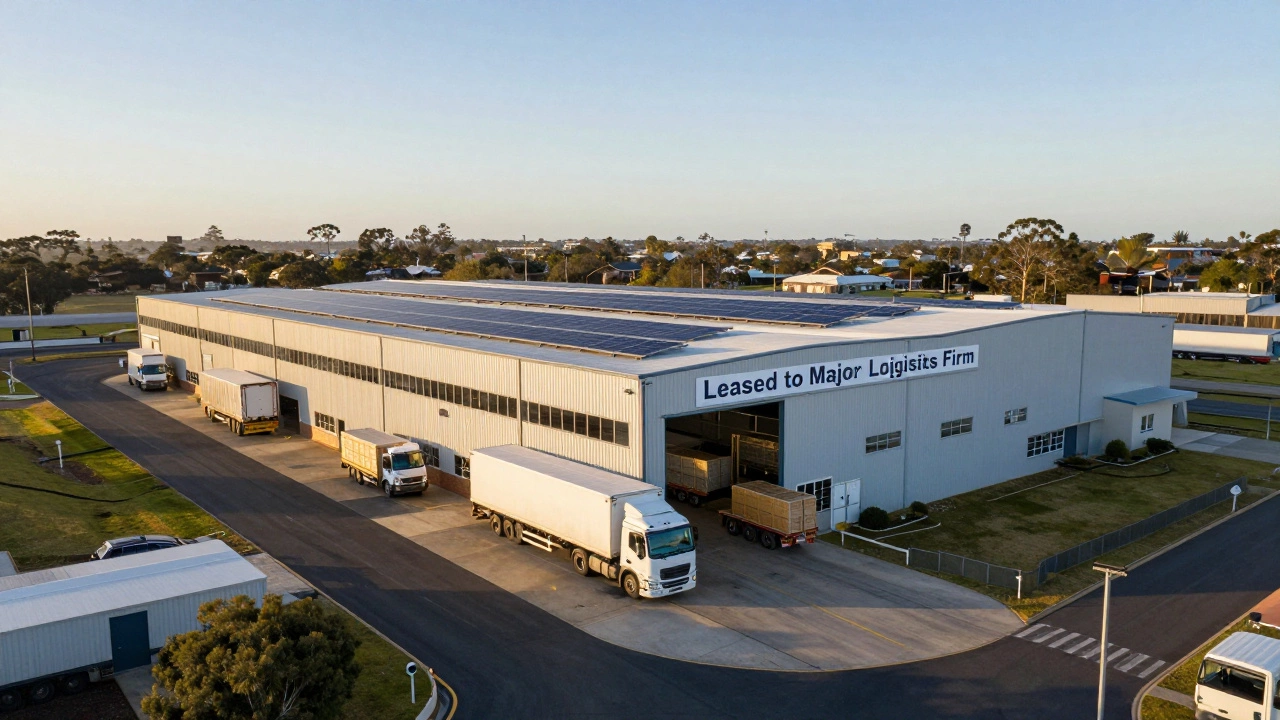
In 2026, the average ROI for commercial properties across Australia sits between 5.5% and 8.5%. But averages lie. A warehouse in Logan, Queensland, might yield 9.2% because it’s in a growing logistics hub. A corner shop in a quiet suburb of Adelaide might only pull 5.8% because foot traffic is low. High-demand areas-like near hospitals, universities, or major transport hubs-consistently outperform.
Here’s what investors are seeing in different property types as of early 2026:
- Industrial warehouses: 7.5%-9.5%
- Medical offices: 6.5%-8.5%
- Neighborhood retail (strip centers): 6%-8%
- Office buildings (CBD): 5%-7%
- Self-storage facilities: 8%-10%
Why the big differences? It comes down to demand and risk. Industrial and self-storage have low vacancy rates and long-term leases. Office spaces in city centers? They’re still recovering from remote work trends. A 6% return on a medical office might be safer than an 8% return on a retail space with a tenant who’s about to close up shop.
Don’t Just Chase High Numbers
A 10% ROI sounds irresistible. But if the tenant has a history of late payments, or the building needs a new roof in two years, that number disappears fast. A good ROI isn’t just about the percentage-it’s about sustainability. Look at the lease terms. Is the tenant locked in for five years? Do they pay triple net (NNN)? That means they cover property taxes, insurance, and maintenance. That’s a big win for you.
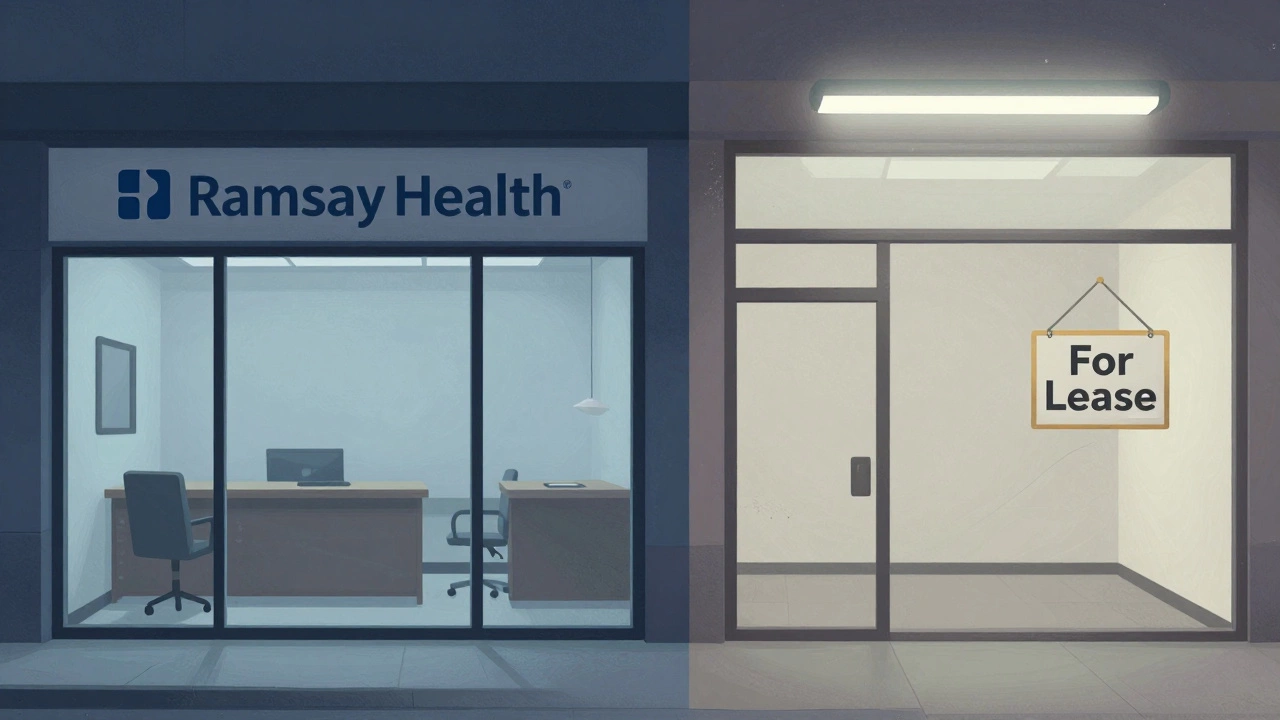
Also, check the credit rating of the tenant. A national pharmacy chain like Chemist Warehouse or a hospital operator like Ramsay Health will pay reliably. A small café owner? Riskier. Even if they pay more rent, one bad year can wipe out your profit.
And don’t forget location. A property in a growing industrial park near the Port of Adelaide might have a 7% return today, but with new infrastructure projects underway, its value could jump 20% in five years. That’s not reflected in the ROI number-but it’s what makes the investment truly valuable.
How to Calculate Your Own ROI
You don’t need a finance degree to do this. Here’s how:
- Find your annual gross rent. Multiply monthly rent by 12.
- Subtract all operating expenses. Include property management (5-10% of rent), repairs, insurance, council rates, land tax, and vacancy allowance (5-8% for commercial).
- Get your net operating income (NOI). Gross rent minus expenses.
- Divide NOI by your total cash invested. That’s your cash-on-cash ROI.
Example:
You buy a 150m² office space for $850,000. You pay $212,500 down. Monthly rent is $6,200.
- Gross annual rent: $6,200 × 12 = $74,400
- Expenses: $7,000 (insurance + rates) + $6,000 (management) + $4,000 (repairs) + $5,000 (vacancy) = $22,000
- NOI: $74,400 - $22,000 = $52,400
- ROI: $52,400 ÷ $212,500 = 24.6%
That’s a strong number-but only if the tenant stays. If they leave after one year, your ROI drops to 6% for that year. That’s why long-term leases matter more than flashy percentages.
What to Avoid
Many investors get fooled by low prices. A $500,000 building might seem like a steal. But if it’s sitting in a declining industrial zone with no tenants lined up, it’s a trap. The same goes for properties that need major upgrades. A $200,000 renovation isn’t just a cost-it’s a delay. You won’t earn rent during that time.
Also, don’t ignore taxes. Commercial property in Australia is subject to land tax in most states if your total land value exceeds a threshold (e.g., $600,000 in SA). That can eat 1-2% off your returns. Factor it in before you bid.
And never assume rent will rise every year. Tenants in retail and office spaces often lock in fixed rates for 5-10 years. Your income might stay flat for years unless you have a strong escalation clause.

When a Lower ROI Is Actually Better
Some of the best commercial investments have modest returns-because they’re stable. A medical clinic in a suburb with a growing elderly population might only yield 5.8%. But the tenant is a government-funded provider with a 10-year lease. The building has almost no vacancies. The tenant pays for all maintenance. You get steady cash, no headaches, and steady appreciation. That’s better than a 9% return on a retail space that’s empty half the year.
Think of ROI as a balance. High returns come with high risk. Low returns can mean low stress. Your goal isn’t to chase the highest number-it’s to find the return that matches your risk tolerance and long-term goals.
How to Improve Your ROI
You can’t control the market, but you can control your choices:
- Buy in growth corridors. Look for areas with new transport links, hospital expansions, or university developments. These areas see rent growth over time.
- Choose triple-net leases. Tenants pay the bills. That cuts your risk and increases your net income.
- Negotiate longer leases. Five to ten years is ideal. It gives you predictable income and makes the property more attractive to future buyers.
- Upgrade to attract better tenants. A clean, modern building with good parking and EV charging stations can command 15-20% higher rent.
- Bundle properties. Buying two smaller properties in the same area can reduce management costs and give you more negotiating power with tenants.
One investor in Adelaide bought two small medical suites in the same building. They combined them into one larger clinic space. The rent went from $4,800/month to $8,500/month. The vacancy rate dropped to zero. Their ROI jumped from 6.2% to 11.4% in 18 months.
Final Thought: It’s Not Just About the Number
A good ROI on a commercial property isn’t a magic figure. It’s a sign that the asset is working for you-reliably, sustainably, and with room to grow. The best investments aren’t the ones with the highest yields. They’re the ones that keep paying, even when the economy wobbles. Look for stability. Look for tenants who need to be there. Look for locations that are getting stronger, not weaker.
And remember: in commercial real estate, the best returns come from patience, not panic. Don’t rush. Do the math. Ask the hard questions. And choose the property that fits your life-not just your spreadsheet.
What is a good ROI on commercial property in Australia in 2026?
A good ROI on commercial property in Australia in 2026 typically ranges from 5.5% to 8.5%. Industrial and self-storage properties often yield 7.5%-10%, while CBD office spaces may hover around 5%-7%. The best returns come from properties with strong tenants, long leases, and low operating costs.
How do I calculate ROI on a commercial property?
First, calculate your net operating income (NOI): annual gross rent minus all operating expenses (management, taxes, insurance, repairs, vacancy). Then divide that by your total cash invested (down payment, closing costs, renovations). For example, if your NOI is $50,000 and you put $250,000 down, your ROI is 20%.
Is a 10% ROI on commercial property realistic?
Yes, but it’s rare and usually comes with higher risk. A 10% ROI might be found in emerging industrial areas, self-storage, or properties needing upgrades. These often have higher vacancy rates, shorter leases, or require more maintenance. Stable, well-located properties rarely exceed 8%-and that’s often the sweet spot for long-term investors.
What’s better: high ROI or property appreciation?
Both matter, but they serve different goals. High ROI gives you cash flow today. Appreciation builds wealth over time. The best commercial properties offer both. A property with a 6% ROI that grows in value by 4% a year is more valuable than a 9% ROI property that doesn’t appreciate. Look for assets in growing areas with strong demand drivers.
Do commercial property taxes affect ROI?
Yes, significantly. In South Australia, land tax applies if your total land value exceeds $600,000. Other states have similar thresholds. Land tax can reduce your net income by 1-2% annually. Always factor it into your ROI calculation. Some investors buy through companies or trusts to manage this tax, but that adds complexity.
Should I buy a commercial property with a low ROI if it’s in a good location?
Yes-if the location has strong growth potential. A property with a 5.5% ROI near a new hospital or university might only pay modest rent now, but its value could jump 20-30% in five years. The low current ROI is a trade-off for future appreciation. These are often the best long-term investments.