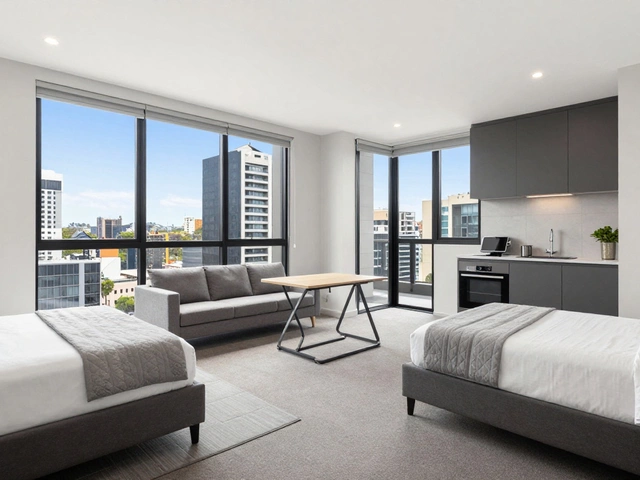
Villa vs. Apartment Lifestyle Matcher
Answer these 5 questions to see which property type aligns best with your priorities.
Your Ideal Match
Why this fits you:
The Essence of Exclusive Living
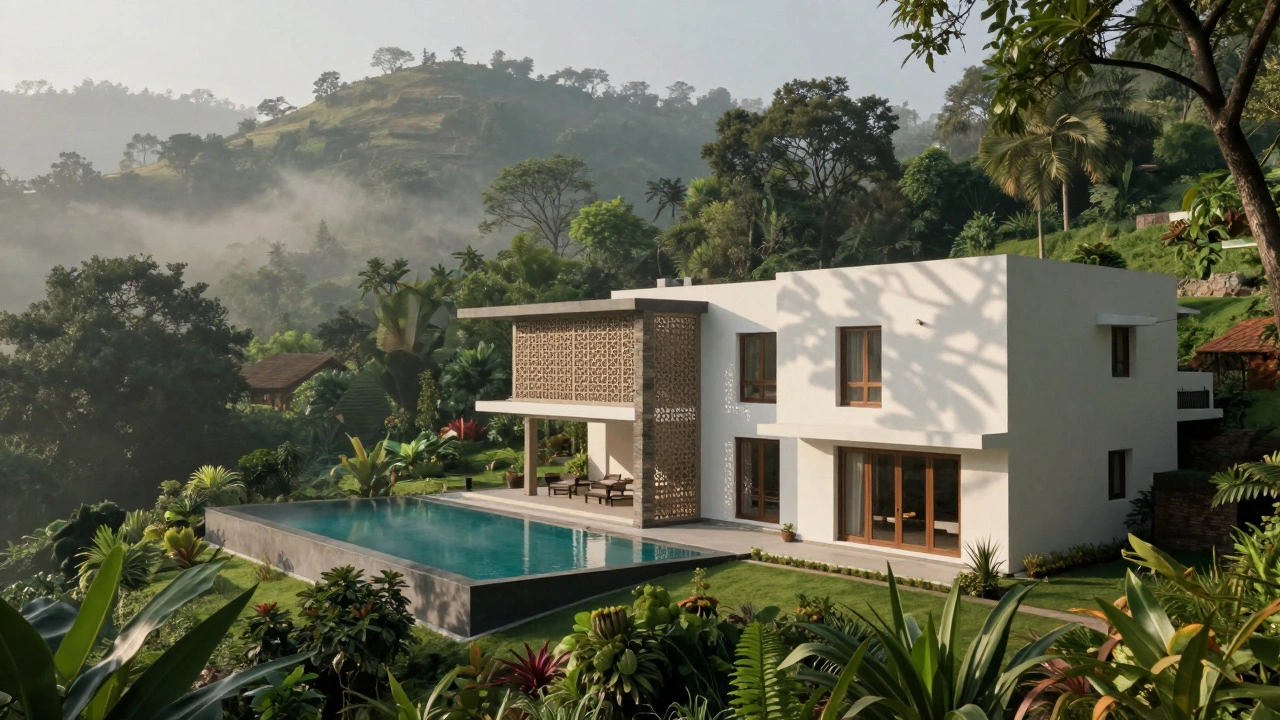
Imagine waking up without hearing a neighbor’s alarm clock. Picture stepping outside your back door directly onto your own private beach or into a lush, secluded garden where the only sound is the wind in the trees. This isn't just a fantasy; it is the daily reality for those who live in a private villa, which is a standalone residential property designed to offer maximum privacy, exclusivity, and personalized luxury. Unlike an apartment or a townhouse, a private villa stands alone on its own plot of land, completely detached from other structures.
You might be wondering why this distinction matters so much. In the world of high-end real estate, "private" does more than just mean "quiet." It defines a specific lifestyle built around autonomy, security, and space. Whether you are looking to buy a forever home, invest in a vacation rental, or simply understand the tier of housing above standard luxury condos, knowing what exactly constitutes a private villa is crucial. Let's break down what makes these properties unique, what they cost, and whether they fit your life.
Key Takeaways
- A private villa is a detached residence with exclusive access to its land, offering superior privacy compared to apartments or townhouses.
- Essential features include private pools, extensive outdoor living spaces, and dedicated staff quarters or service entrances.
- Buying a villa involves higher maintenance costs and complex legal considerations regarding land ownership and zoning.
- Villas command premium prices due to scarcity of land and bespoke architectural design, making them significant long-term investments.
- The ideal buyer values seclusion, customization, and low-density living over the convenience of shared community amenities.
Defining the Private Villa: More Than Just a Big House
To truly understand what a private villa is, we need to look at its core attributes. It is not merely a large house. A suburban mansion might have five bedrooms and a big yard, but if it sits in a dense neighborhood with close-set fences and shared driveways, it lacks the essence of a villa. A villa is typically located in scenic, resort, or exclusive areas, characterized by open-plan layouts, integration with nature, and high-end finishes.
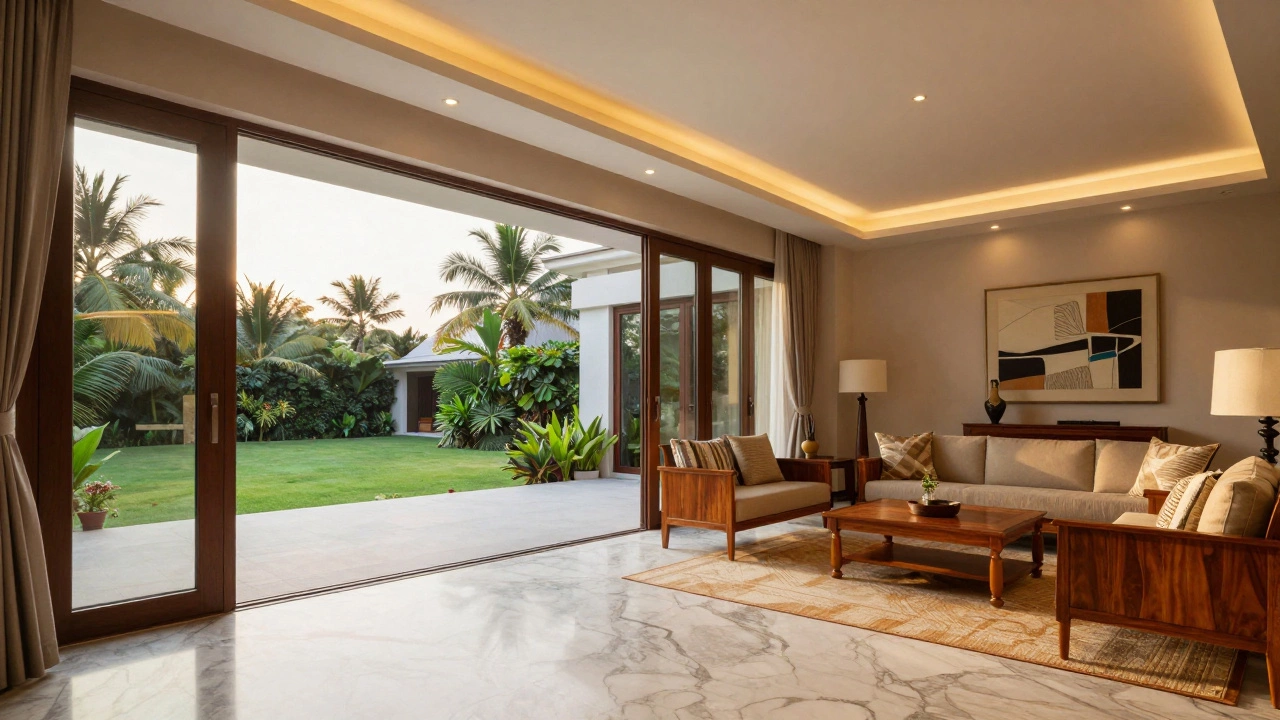
The term "villa" has roots in Roman history, referring to country houses owned by wealthy citizens. Today, that definition has evolved but retained its spirit. Modern private villas are often found in coastal regions like the Mediterranean, tropical islands such as Bali or the Maldives, or exclusive enclaves in places like Beverly Hills or Dubai. They are designed to blur the line between indoor and outdoor living. Large sliding glass doors, terraces, and courtyards are standard. The goal is to make the landscape part of the home.
Crucially, a private villa offers exclusive possession. You own the land beneath the structure and usually the airspace above it (within local regulations). There are no shared walls, which means better sound insulation and total control over who enters your property. This level of separation is the primary driver for buyers seeking privacy.
Core Features That Set Villas Apart
If you are walking through a property listing, how do you spot a true private villa? Look for these non-negotiable features that distinguish it from other luxury homes.
- Detached Structure: The building must stand alone. No shared walls with neighbors. This is the baseline requirement.
- Private Outdoor Space: A substantial garden, terrace, or patio area that belongs solely to the owner. This space is often landscaped professionally and includes features like mature trees or water features.
- Private Pool or Spa: While not every villa has a pool, the vast majority in desirable markets do. It is a key indicator of the self-contained nature of the property.
- Service Accessibility: Many high-end villas feature a separate entrance for staff, a garage that connects internally to the main house, or a distinct kitchen area for catering during events.
- Bespoke Architecture: Villas are rarely cookie-cutter. They are often custom-built or significantly renovated to reflect the owner's taste, using premium materials like marble, hardwood, or stone.
These features create a sense of sanctuary. For example, a family might host a dinner party without worrying about disturbing neighbors, or a remote worker can set up an office with a view of their garden without feeling watched. This functionality is hard to replicate in even the most expensive condominiums.
Villa vs. Apartment: Making the Right Choice
Most people considering a private villa are comparing it to high-end apartments or townhouses. Understanding the trade-offs is essential before making a decision. Here is a breakdown of how they stack up against each other.
| Feature | Private Villa | Luxury Apartment |
|---|---|---|
| Privacy | Maximum. No shared walls or common corridors. | Limited. Shared walls, elevators, and lobbies. |
| Maintenance | Owner responsible for all repairs, landscaping, and utilities. | HOA/Management handles exterior and common areas. |
| Space | Includes indoor and extensive outdoor land. | Primarily indoor square footage; limited balcony. |
| Security | Self-managed (gates, cameras, guards). | Often includes concierge and centralized security. |
| Cost Entry | Higher purchase price and ongoing upkeep. | Lower entry price relative to location prestige. |
| Customization | Total freedom to renovate and expand. | Restricted by building rules and structural limits. |
For instance, if you value convenience and don't want to mow a lawn or fix a roof, an apartment might suit you better. But if you crave the ability to build a guest house, plant a vegetable garden, or install a home theater without approval from a homeowners' association, the villa is the clear winner. The choice ultimately comes down to how much control you want over your environment versus how much effort you are willing to put into maintaining it.
The Financial Reality of Buying a Private Villa
Let's talk money. Buying a private villa is a significant financial commitment. Prices vary wildly depending on location, but generally, villas command a premium per square foot compared to multi-unit buildings. Why? Because land is finite. In prime locations like Miami, London, or Phuket, available plots for new construction are scarce. This scarcity drives up prices.
Beyond the purchase price, consider the holding costs, which are ongoing expenses including property taxes, insurance, maintenance, and utility bills. A villa requires more energy to heat and cool due to its larger surface area. Insurance premiums can be higher because of the increased risk exposure and replacement cost of unique structures. Landscaping, pool maintenance, and security systems add thousands to your annual budget.
However, villas also tend to appreciate differently. While mass-produced apartment complexes can see price fluctuations based on developer supply, unique villas often hold value better because they are irreplaceable assets. If you buy a villa with a rare oceanfront lot, that land value will likely grow regardless of market trends in construction. For investors, this makes villas a hedge against inflation in prime real estate markets.
Who Should Buy a Private Villa?
Not everyone needs a private villa. In fact, for many, it might be more trouble than it's worth. So, who is the ideal candidate? Think about your lifestyle priorities.
- Families Seeking Space: Parents with young children often prefer villas for the safety and space. Kids can play outside without supervision in a secure yard, and there's room for multiple bedrooms and nurseries.
- Remote Workers and Digital Nomads: With the rise of remote work, having a dedicated, quiet workspace away from household distractions is invaluable. A villa offers the physical separation needed for productivity.
- Entertainers: If you love hosting large gatherings, a villa provides the infrastructure. Separate kitchens, large dining rooms, and expansive gardens allow you to host dozens of guests without overcrowding the main living areas.
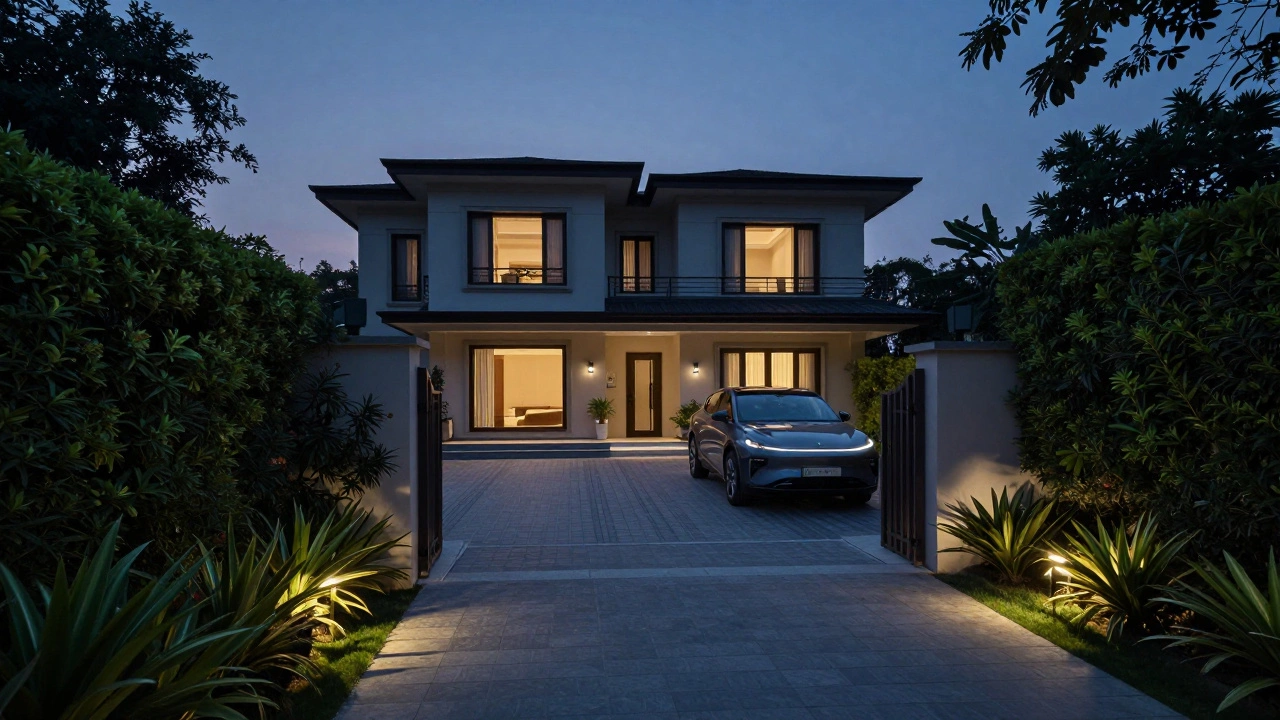
- Privacy-Conscious Individuals: Celebrities, executives, or anyone who values discretion will find the gated, secluded nature of a villa essential. It creates a buffer zone between public life and private retreat.
If you travel frequently and won't be home often, a villa might feel like too much responsibility. Similarly, if you enjoy the social buzz of a city center and rely on nearby amenities like gyms and restaurants within walking distance, a high-rise apartment might serve you better. Be honest about how much time you actually spend at home.
Navigating the Purchase Process
Buying a villa involves more steps than purchasing a standard condo. First, you need to verify the land title, which is the legal document proving ownership of the property and ensuring there are no disputes or liens. In some countries, foreign ownership laws restrict who can buy land. Always consult with a local real estate attorney.
Second, conduct a thorough inspection. Because villas are often custom-built, they may have unique structural elements that require specialized assessment. Check the foundation, roofing, plumbing, and electrical systems carefully. Don't forget to inspect the outdoor features-pool pumps, irrigation systems, and retaining walls can be costly to repair.
Third, consider the location's future development. Even a secluded villa can lose its privacy if a new highway or commercial center is planned nearby. Research local zoning laws and urban planning maps to ensure your sanctuary remains undisturbed.
Maintaining Your Sanctuary
Once you move in, the real work begins. Maintaining a private villa requires a proactive approach. You cannot wait for things to break; you must prevent them from breaking. Hire a reliable property manager or caretaker, especially if you plan to use the villa as a second home. They can handle routine tasks like cleaning, gardening, and minor repairs.
Regularly service your HVAC system, clean gutters, and treat wood surfaces to protect against weather damage. If you have a pool, maintain chemical balance weekly to avoid algae growth and equipment failure. These small efforts preserve the property's value and ensure your comfort. Remember, a well-maintained villa is not just a place to live; it's an asset that respects your investment.
Is a private villa the same as a mansion?
Not necessarily. While both are large, luxurious homes, the term "mansion" focuses primarily on size and grandeur, often implying historical significance or opulent architecture. A "private villa" emphasizes the setting, privacy, and connection to nature. A villa can be modest in size but still qualify if it is detached and offers exclusive land access. Conversely, a mansion in a dense urban area with shared walls would not be considered a private villa.
Can I rent out my private villa?
Yes, many owners use villas as short-term vacation rentals. Platforms like Airbnb and VRBO are popular for this. However, check local regulations first. Some municipalities restrict short-term rentals to protect residential neighborhoods. Additionally, consider the wear and tear from frequent guests and factor in professional cleaning and management fees when calculating profitability.
What are the biggest hidden costs of owning a villa?
Hidden costs often include landscaping maintenance, pool chemicals and repairs, high utility bills for heating/cooling large spaces, and property taxes based on land value. Insurance can also be surprisingly expensive for unique structures. Budget an additional 1-2% of the property's value annually for unexpected repairs and upkeep.
Are private villas secure?
They can be very secure, but security is largely up to the owner. Villas typically lack the 24/7 concierge and central surveillance of apartment complexes. To enhance security, invest in smart home systems, perimeter fencing, motion-sensor lighting, and possibly private security guards. Gated communities offer an extra layer of protection by controlling access to the entire neighborhood.
How do I find a reputable builder for a custom villa?
Look for builders with experience in luxury or custom homes. Ask for references from past clients and visit completed projects to inspect craftsmanship. Verify licenses and insurance coverage. A good builder will provide detailed contracts, transparent pricing, and a clear timeline. Don't rush the selection process; your choice of builder significantly impacts the quality and longevity of your villa.