Micro-Apartment Lifestyle Compatibility Calculator
Discover if 500 sq ft is the right fit for you and your partner by answering questions about your daily habits.
Imagine walking into a space that fits on a standard tennis court’s service box. That is roughly what 500 square feet looks like in reality. For two adults, this number often triggers immediate anxiety. Is it cramped? Is it suffocating? Or is it simply a different way of living?
In cities like Adelaide, Sydney, or Melbourne, where property prices have skyrocketed, the traditional 2BHK apartment (Two Bedroom, Hall, Kitchen) is becoming a luxury few can afford. Many couples are now looking at studios or micro-apartments as their primary residence. The question isn't just about square footage; it's about lifestyle compatibility. If you work from home, love hosting dinner parties, or have an extensive wardrobe, 500 square feet might feel like a prison cell within a month. But if you spend most of your time at the office, enjoy minimalism, and value low maintenance over spaciousness, it could be the perfect setup.
The Reality of 500 Square Feet: What Fits Inside?
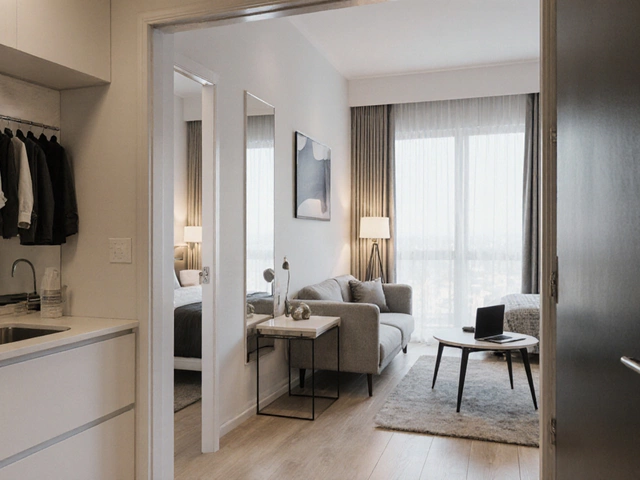
To understand if this size works for you, we need to strip away the marketing jargon and look at the raw geometry. Five hundred square feet is approximately 46.5 square meters. In a typical layout, this space usually consists of one large open area that serves as the bedroom, living room, and dining area, plus a separate bathroom and a small kitchenette.
Here is how the space typically breaks down:
- Kitchen: About 80-100 sq ft. This is enough for a refrigerator, a stove, and maybe a microwave, but don’t expect a breakfast bar or ample counter space for meal prep.
- Bathroom: Around 35-40 sq ft. Standard shower, toilet, and a small vanity sink. No bathtub here.
- Main Living/Sleeping Area: Roughly 370-380 sq ft. This is where the magic-or the chaos-happens. You need to fit a bed, a sofa, a TV stand, and storage here.
The key constraint is not the floor area itself, but the ceiling height and natural light. A 500-square-foot unit with 9-foot ceilings and large windows feels significantly larger than one with 8-foot ceilings and tiny windows. Always visit the property during the day to assess the light flow. Dark spaces feel smaller and more oppressive.
Who Actually Thrives in Micro-Apartments?
Living in a small space is not for everyone. It requires a specific mindset and lifestyle alignment. Based on trends in urban housing, certain profiles adapt better than others.
The Urban Commuters: If both partners work full-time outside the home and commute long distances, the apartment becomes merely a place to sleep and recharge. You aren't using the space for leisure, so its size matters less. The proximity to amenities becomes more valuable than the square footage.
The Minimalists: People who actively curate their possessions do well in small spaces. If you own fewer than 50 clothing items and prefer digital books over physical libraries, 500 square feet provides enough room without clutter. Clutter is the enemy of small-space living. Every object needs a designated home.
The Budget-Conscious Buyers/Renters: In high-cost markets, paying $2,000 per month for a 1,200-square-foot apartment might leave you with no disposable income. Paying $1,200 for 500 square feet allows for savings, travel, or investments. For many, financial freedom outweighs spatial freedom.
Conversely, if you are introverted and need a quiet corner to read while your partner watches TV, or if you are a hobbyist who collects vinyl records, plants, or art supplies, this size will likely cause friction. You need distinct zones for different activities, which 500 square feet struggles to provide.
Design Strategies to Make 500 Square Feet Feel Bigger
If you decide to move forward, smart design choices can double the perceived size of the unit. These aren't just aesthetic tweaks; they are functional necessities.
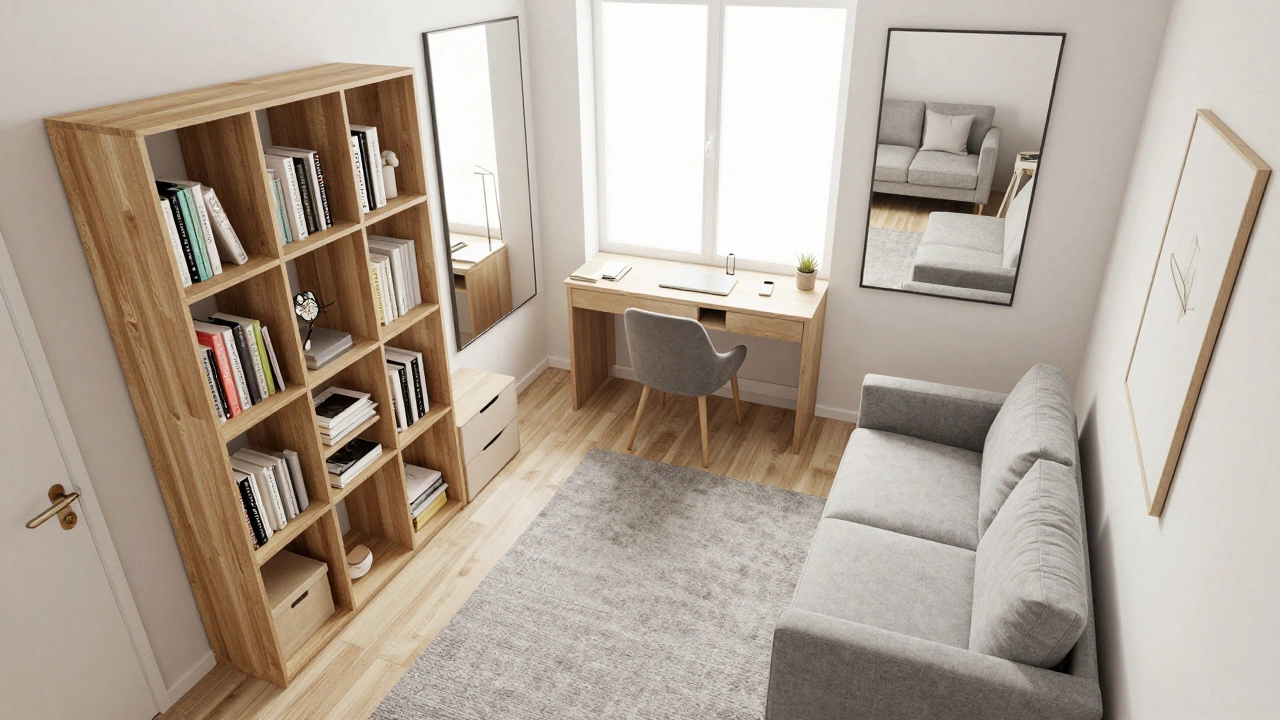
- Vertical Storage: Floor space is premium real estate. Use wall-mounted shelves, tall bookcases, and under-bed storage drawers. Keep the floor clear to create a sense of openness.
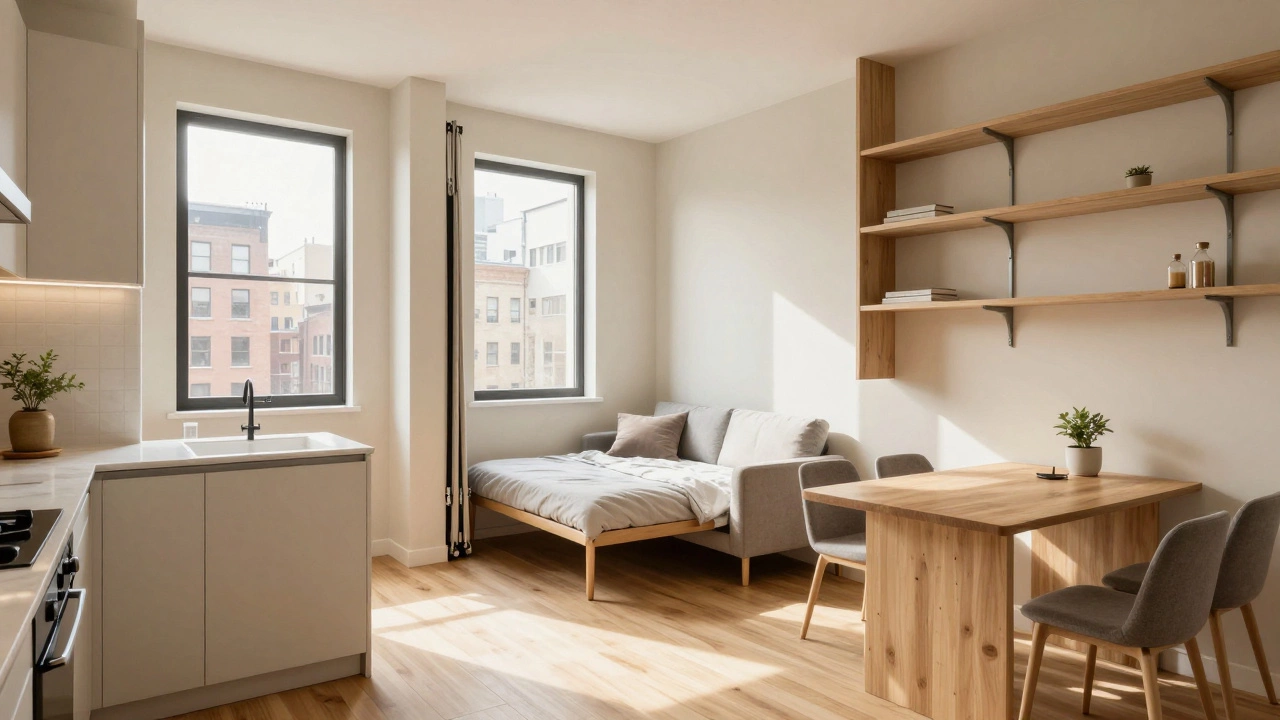
- Multipurpose Furniture: Invest in a sofa bed or a murphy bed (wall bed). During the day, the bed disappears, freeing up the entire room for yoga, working, or entertaining. A drop-leaf table can serve as a dining desk and expand for guests.
- Mirrors and Light Colors: Place a large mirror opposite a window to reflect light and create the illusion of depth. Paint walls in white, beige, or soft gray. Dark colors absorb light and make rooms feel cave-like.
- Visual Continuity: Avoid heavy curtains. Use blinds or sheer curtains to maintain sightlines to the outside. Ensure flooring runs continuously through all areas to avoid visual breaks that chop up the space.
Consider the concept of "flexible zoning." Instead of permanent walls, use rugs, lighting, or furniture arrangement to define areas. A rug under the sofa defines the living zone, while a desk near the window defines the work zone. This psychological separation helps prevent the feeling of being in a single, undifferentiated box.
The Psychological Impact of Small Spaces
Space affects mental health. While some find coziness comforting, others feel trapped. Research in environmental psychology suggests that personal space requirements vary by culture and individual personality. In dense urban environments like Tokyo or New York, residents often report higher satisfaction with smaller homes because they compensate with vibrant public spaces-parks, cafes, libraries.
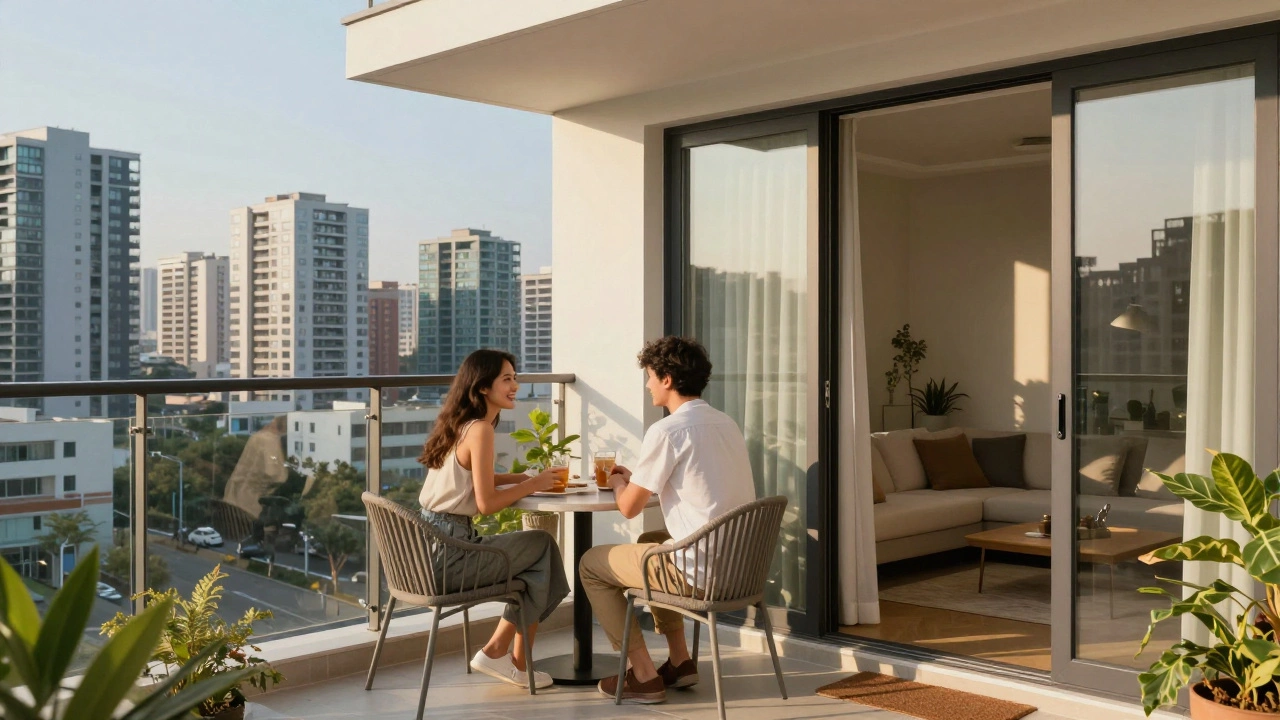
In Adelaide, the climate encourages outdoor living. If your 500-square-foot apartment comes with a balcony, even a small one, it extends your usable living area. A 50-square-foot balcony can serve as an outdoor dining room, effectively adding 10% to your total livable space. Check if the building has shared amenities like a gym, rooftop terrace, or co-working lounge. These shared facilities act as extensions of your private home, mitigating the lack of internal space.
However, be wary of "sensory overload" if the unit lacks soundproofing. In small apartments, noise travels quickly. Poor insulation can make the space feel intrusive rather than intimate. Ask about the quality of windows and door seals. Double-glazed windows are worth the extra cost for peace of mind.
Comparison: 500 Sq Ft vs. Traditional 2BHK
| Feature | 500 Sq Ft Micro-Apartment | Standard 2BHK (approx. 900-1000 Sq Ft) |
|---|---|---|
| Privacy | Low; constant visual and auditory overlap | High; separate bedrooms allow independent schedules |
| Cleaning Time | 15-20 minutes daily | 45-60 minutes daily |
| Storage Capacity | Limited; requires strict minimalism | Adequate; closets and cupboards for seasonal items |
| Entertaining Guests | Awkward; limited seating and movement | Comfortable; dedicated living and dining areas |
| Cost Efficiency | Lower rent/mortgage; lower utility bills | Higher monthly costs; higher heating/cooling expenses |
| Resale Value | Niche market; appeals to investors/students | Broad appeal; family-friendly; stable appreciation |
This comparison highlights the trade-off. You are trading privacy and storage for cost efficiency and convenience. If your priority is saving money and reducing domestic chores, the micro-apartment wins. If your priority is comfort, privacy, and hosting friends, the 2BHK is the safer bet.
Alternatives to Consider Before Committing
If 500 square feet feels too tight but a full 2BHK is out of budget, consider these middle-ground options:
- Studio with Separate Bathroom: Often slightly larger than 500 sq ft, around 600-650 sq ft. This extra 100-150 square feet can mean the difference between a cramped closet and a walk-in wardrobe.
- Loft Apartments: These utilize vertical space. A mezzanine level for sleeping frees up the ground floor for living. However, check the headroom; low ceilings on the lower level can feel claustrophobic.
- Converted Warehouses or Offices: Industrial conversions often have high ceilings and large windows, making smaller footprints feel airy. They may lack insulation, so factor in energy costs.
- Co-Living Spaces: Rent a private bedroom in a larger shared house. You get a private sanctuary but share common areas. This is ideal if you want social interaction without the responsibility of maintaining a whole apartment.
Final Verdict: Is It Too Small?
For two people, 500 square feet is not inherently "too small," but it is undeniably "high maintenance" in terms of organization and compromise. It demands that you live intentionally. You cannot accumulate junk. You cannot ignore cleanliness. You must coordinate your schedules closely.
If you view your home as a backdrop to your life-a place to sleep and store essentials-then 500 square feet is sufficient and financially smart. If you view your home as a sanctuary for relaxation, creativity, and entertainment, you will likely feel constrained. Test the waters first. Rent a similar-sized unit for three months before buying. Live with the constraints. See if the stress of finding space for your shoes outweighs the joy of saving on rent. Your body and mind will tell you the answer long before your wallet does.
Can two people comfortably live in a 500 square foot apartment long-term?
Yes, many couples live happily in 500 square feet long-term, provided they adopt a minimalist lifestyle and spend significant time outside the home. Success depends on effective storage solutions, multipurpose furniture, and mutual respect for shared space. It is less suitable for those who work from home full-time or have large collections of hobbies.
What is the biggest challenge of living in a micro-apartment?
The biggest challenge is storage and clutter management. With limited floor space, every item competes for room. Without strict discipline in organizing belongings, the space can quickly feel chaotic and stressful. Additionally, lack of privacy can strain relationships if partners have different sleep or work schedules.
How much does a 500 square foot apartment cost compared to a 2BHK?
Generally, a 500 square foot apartment costs 30-50% less than a comparable 2BHK in the same location. In Adelaide, for example, a micro-studio might rent for $400-$600 per week, while a 2BHK could range from $700-$900 per week. Maintenance fees and utility bills are also significantly lower for smaller units.
Are there any legal restrictions on living in very small apartments?
Most local councils have minimum habitable space requirements, but 500 square feet typically exceeds these legal minimums for two occupants. However, building codes may restrict the number of people allowed based on bathroom facilities and emergency exit routes. Always verify occupancy limits with the local council or strata management.
Does living in a small apartment affect resale value?
Micro-apartments have a niche market. They appeal strongly to investors, students, and young professionals, ensuring steady rental demand. However, they may take longer to sell than family-sized homes because the buyer pool is smaller. Resale value tends to track with overall market trends but may not appreciate as rapidly as larger properties in family-oriented suburbs.