Land Purchase Cost Estimator
Estimated Costs
Land price: $0
Development costs: $0
Total investment: $0
Buying an acre of land isn’t just about finding any plot-it’s about finding the right one at the lowest price. If you’re looking to build, farm, or just hold land as an investment, where you buy makes all the difference. In 2025, the cheapest acres aren’t in the suburbs or near cities. They’re in places most people overlook-remote, rural, and often misunderstood regions where land values haven’t caught up with inflation or hype.
Top 5 Cheapest Places to Buy an Acre in 2025
Based on current listings, tax records, and land registry data from the U.S., Canada, Australia, and parts of Eastern Europe, here are the five regions where you can get an acre for under $5,000-sometimes under $1,000.
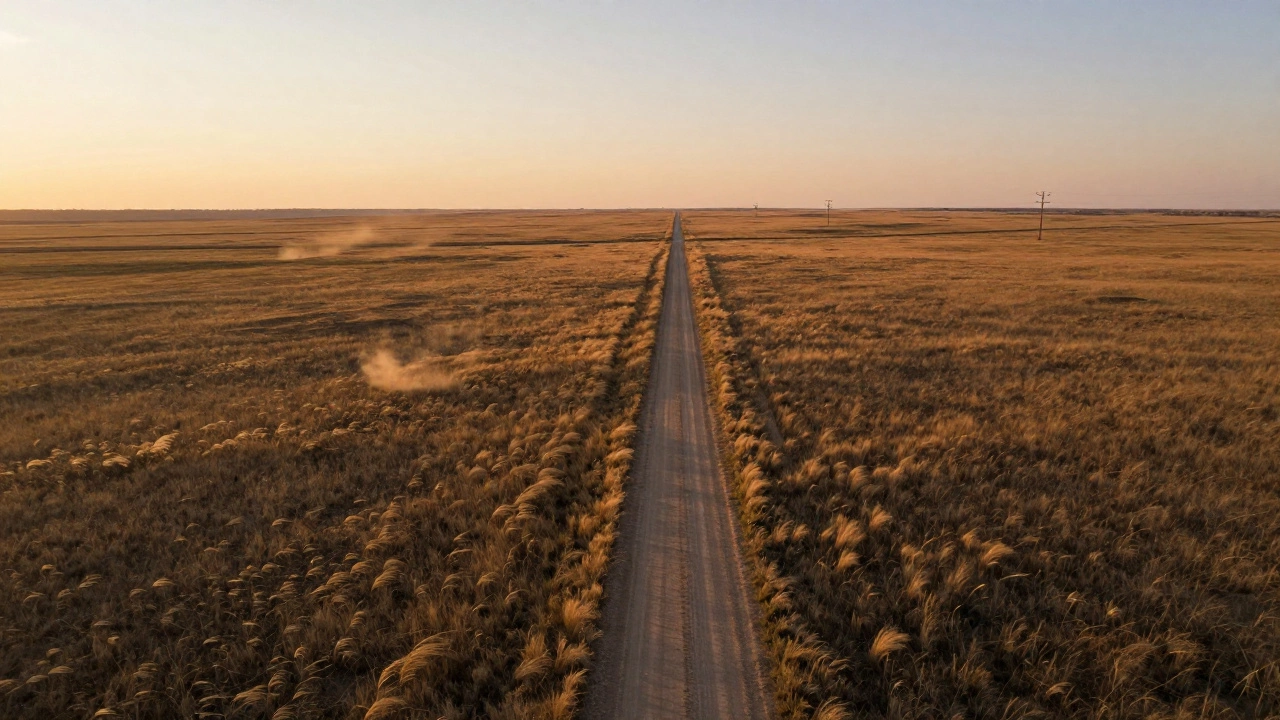
- Western Kansas, USA - In counties like Ness or Hodgeman, you’ll find parcels of undeveloped prairie land selling for $800 to $2,500 per acre. No zoning restrictions, no HOAs, and minimal property taxes. The catch? No running water, no electricity grid access, and the nearest town is 30 miles away.
- Northern Ontario, Canada - Thousands of acres of Crown land are available through provincial land auctions. Prices range from $500 to $3,000 per acre. You can’t build immediately-you need approval-but you can secure the land for future use. Many buyers use it for hunting, off-grid cabins, or long-term speculation.
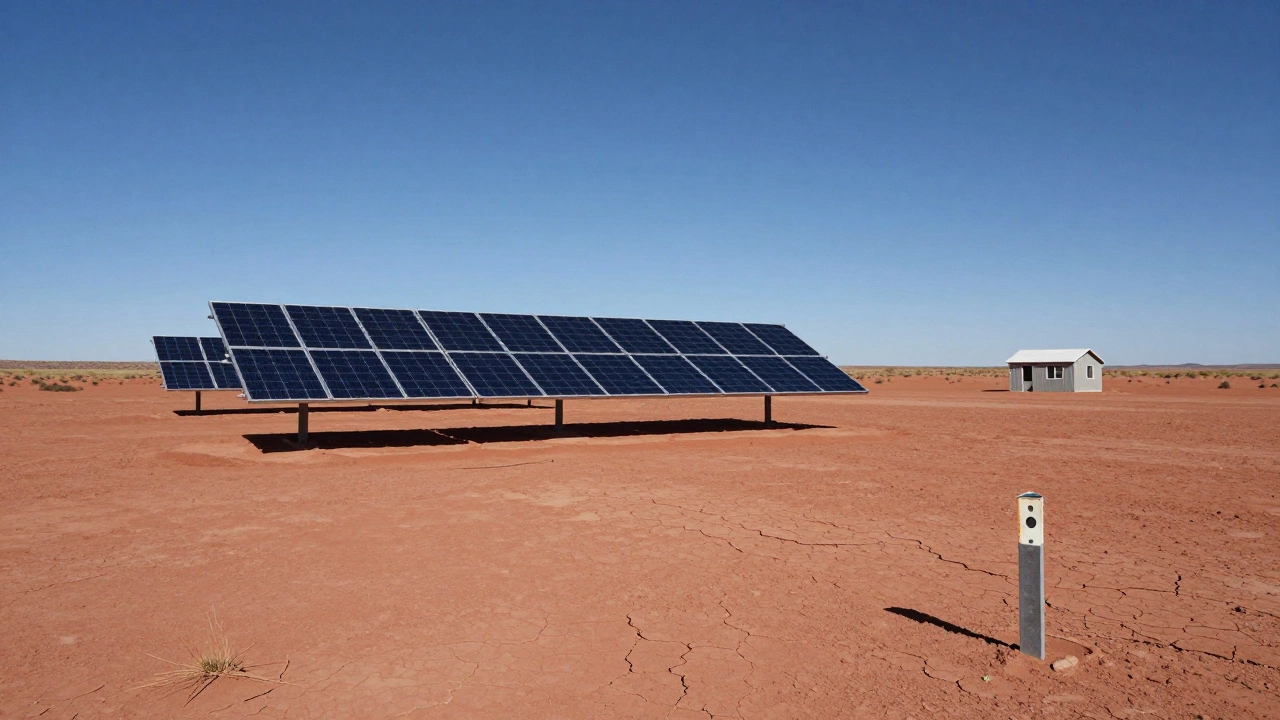
- Eastern New Mexico, USA - Desert land in Lea or Eddy County goes for $1,200 to $4,000 per acre. The soil isn’t great for farming, but it’s perfect for solar farms, livestock grazing, or remote homesteading. Property taxes are among the lowest in the U.S.
- Western Australia (Goldfields region) - In places like Leonora or Laverton, you can buy 10-acre blocks for less than $10,000 total. That’s under $1,000 per acre. The land is barren, dry, and far from services, but it’s legally yours with no restrictions. Many are bought by retirees or investors looking for low-cost land banks.
- Moldova, Eastern Europe - Farmland in rural Moldova sells for $300 to $1,500 per acre. Foreigners can own land here, and prices have stayed flat for years. The infrastructure is basic, but the legal process is straightforward. Buyers often come from the UK, Germany, or Australia looking for affordable rural land.
Why These Places Are So Cheap
Land isn’t cheap because it’s worthless-it’s cheap because it’s far from demand. In the U.S., the most affordable land is often in counties with population loss. In Australia, it’s the outback-too dry, too remote, too isolated for most people. In Moldova, it’s post-Soviet economic stagnation.
These areas lack:
- Water access or reliable wells
- Grid electricity or internet
- Highway access or public services
- Building permits or zoning flexibility
But if you’re okay with off-grid living, or you’re buying for long-term appreciation, these are the best deals on the market. The land itself is legally sound. The title is clear. The price? Unbeatable.
What You’re Really Paying For
When you buy cheap land, you’re not just buying soil. You’re buying:
- Freedom - No HOA rules, no building codes, no neighbor complaints.
- Time - You can hold it for 10, 20, or 30 years. Land rarely loses value long-term.
- Control - You decide what happens next: solar farm, timber, retreat, or just leave it wild.
People who buy land in these areas aren’t looking for a weekend cabin. They’re looking for an asset that won’t crash, won’t depreciate, and won’t be taken from them.
Hidden Costs You Can’t Ignore
Just because the land is cheap doesn’t mean it’s cheap to use. Here’s what most buyers forget to budget for:
- Well drilling - In Kansas or New Mexico, hitting water can cost $15,000 to $30,000. You might drill 500 feet and still find nothing.
- Septic system installation - If you can’t connect to a sewer, you need a leach field. That’s $8,000 to $15,000 depending on soil type.
- Access roads - If the parcel is landlocked, you may need to pay for a legal easement. That can cost $5,000 or more.
- Property taxes - Low in some places, but not zero. In Moldova, it’s under $20/year per acre. In Texas, it’s $50-$150. In Australia, it’s $100-$400.
- Surveying and legal fees - Always get a boundary survey. Cheap land often comes with unclear or disputed lines.
Many buyers spend $2,000 on land and then $50,000 to make it usable. Don’t fall into that trap. Know your budget for development before you sign anything.
How to Verify a Cheap Land Deal
Not every cheap listing is real. Scammers love posting “$1 acre” deals on Facebook Marketplace or land auction sites. Here’s how to avoid fraud:
- Check the county assessor’s website. Search by parcel number. If it shows up with a tax value, it’s real.
- Request a title report. A $100 title search will tell you if there are liens, easements, or ownership disputes.
- Visit the land in person. Google Earth is helpful, but nothing beats walking the property. Look for signs of flooding, rock outcroppings, or illegal dumping.
- Ask about mineral rights. In some states, the government or a previous owner still owns oil, gas, or coal rights beneath the surface.
- Confirm zoning. Some land is zoned for agriculture only-you can’t build a house. Others are protected wetlands.
There’s a reason these deals are cheap. If it sounds too good to be true, it usually is. But if the paperwork checks out and the land is physically viable, you’ve found gold.
Who Should Buy Cheap Land?
This isn’t for everyone. But if you fit one of these profiles, it’s a smart move:
- Off-grid homesteaders - You want to live independently. You’re okay with solar, rainwater, and composting toilets.
- Long-term investors - You’re not planning to build for 15+ years. You’re betting on future demand.
- Retirees with mobility - You want a quiet place to visit, not a full-time home. A remote acre is perfect.
- Environmental stewards - You want to preserve land from development. Buying it keeps it wild.
- Foreign buyers with patience - If you’re from a high-cost country, cheap land abroad is a hedge against inflation.
If you need a quick return, or you want to build next month, skip this. Cheap land isn’t a shortcut-it’s a marathon.
What’s Next After You Buy?
Once you own the land, you have options:
- Do nothing - Just hold it. In 10 years, the price might triple.
- Install solar + water - Turn it into a low-cost retreat. Use it for weekend getaways.
- Lease it - Farmers or solar companies may pay you to use it. In Kansas, wind farms pay $500-$2,000 per acre annually to lease land.
- Divide and sell - If zoning allows, split the acre into smaller lots. You can double or triple your money.
- Plant trees or native grass - Improve the land’s value over time. Timberland in the U.S. has returned 8-12% annually over the last 20 years.
The key is to think decades, not months. Cheap land is a slow play. But if you play it right, it pays off better than stocks, bonds, or even city real estate.
Final Thought: It’s Not About the Price-It’s About the Possibility
People think land is expensive because they look at California or Florida. But the world is huge. There are millions of acres out there that cost less than a used car. The question isn’t whether you can afford it-it’s whether you’re ready to own something that doesn’t come with a warranty, a realtor, or a guarantee.
That’s the real value. You’re not buying dirt. You’re buying freedom. And in 2025, that’s worth more than any price tag.
Can foreigners buy land in the U.S. cheaply?
Yes. Foreigners can buy land in most U.S. states without restrictions. States like Kansas, New Mexico, and Texas have no laws blocking non-residents from owning land. The process is the same as for locals: work with a title company, get a survey, and record the deed. Some states like Florida or Hawaii have more regulations, but the cheapest land is in states with fewer restrictions.
Is land in Australia really cheaper than the U.S.?
In remote areas, yes. An acre in Western Australia’s Goldfields costs less than $1,000. But in the U.S., you can find similar prices in Kansas or New Mexico. The difference is infrastructure: Australian land often has no access roads or water rights, making development harder. U.S. land has more established legal processes for utilities and zoning, even in rural areas.
What’s the cheapest land in the world?
As of 2025, the cheapest land is in parts of Moldova, Ukraine, and rural Bolivia, where farmland sells for under $300 per acre. But legal ownership, access, and infrastructure vary widely. Moldova is the most stable option for foreigners. In Ukraine, war risks make it unsuitable for most buyers. Bolivia has unclear land titles and high corruption risks. Always prioritize legal security over price.
Can you build a house on cheap land?
Sometimes. Many cheap parcels are zoned for agriculture or conservation, not residential use. Before buying, check the local zoning code. Some counties allow “agricultural dwellings” or “temporary structures.” Others require full building permits. In remote areas, you might be able to build a tiny home or cabin without permits-but you risk fines or demolition if you’re caught. Always confirm before spending on materials.
How long does it take to develop cheap land?
It depends. If you’re just holding it, zero time. If you want to build a home, it can take 1-5 years. Permitting alone can take 6-18 months in rural counties. Drilling a well, installing septic, and running power adds more time. Most people underestimate how long it takes. The land is cheap, but the process isn’t fast.
Is cheap land a good investment?
It can be, but only if you’re patient. Land in remote areas doesn’t appreciate quickly. But over 20-30 years, it often outperforms stocks. The key is buying where demand is likely to grow-near future highways, renewable energy projects, or population shifts. Land near planned solar farms or lithium mines in Nevada or Australia has seen 300-500% increases in 5 years. Don’t buy random land. Buy land with potential.