Villa Authenticity Checker
Real estate agents often use the word "Villa" loosely. Use this tool to check if a property meets the structural and lifestyle criteria of a genuine villa.
You scroll through property listings, see the word "Villa," and pause. Is it a mansion? A townhouse with a fancy name? Or something entirely different? If you are trying to figure out what do villas look like, you are not alone. The term is thrown around loosely in real estate marketing, often used to make a standard suburban home sound more expensive. But historically and architecturally, a villa is specific. It is not just about price tags; it is about space, privacy, and a connection to the outdoors.
Here is the quick reality check before we get into the details:
- Not just size: A villa can be modest or massive. It is defined by its layout and independence, not just square footage.
- Private outdoor space: Almost every true villa includes a dedicated garden, courtyard, or pool area that belongs only to you.
- Low density: Unlike apartments, villas usually sit on their own plot of land or share minimal walls with neighbors.
- Architectural variety: From Mediterranean stucco to modern glass boxes, villas come in many styles, but they all prioritize light and flow.
The Core Definition: More Than Just a Big House
Let’s clear up the confusion first. In ancient Rome, a Villa was a country residence for the upper class, distinct from the urban domus. Today, the definition has shifted, but the spirit remains. A villa is typically a detached or semi-detached house that offers a sense of seclusion and luxury. It is not a row house where your kitchen backs onto someone else’s bathroom. It is a standalone structure, or one that shares only a single wall, set back from the street.
When you walk up to a villa, the first thing you notice is the setback. There is usually a buffer zone between the road and the front door. This could be a driveway, a manicured lawn, or a high hedge. This physical separation creates psychological privacy. You aren’t living right on top of the traffic noise. This distinction matters if you are comparing properties. If a listing calls itself a villa but sits directly on the sidewalk with no yard, it is likely using the term as a marketing gimmick rather than an architectural descriptor.
Exterior Features That Define a Villa
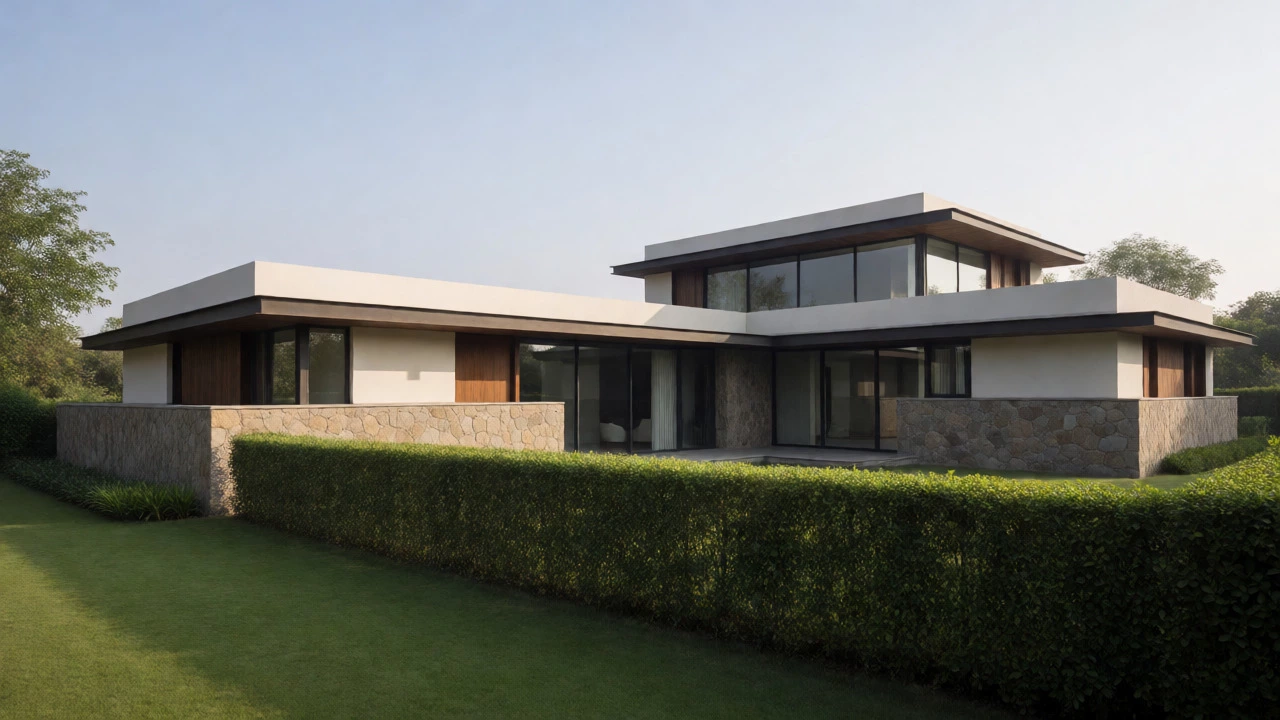
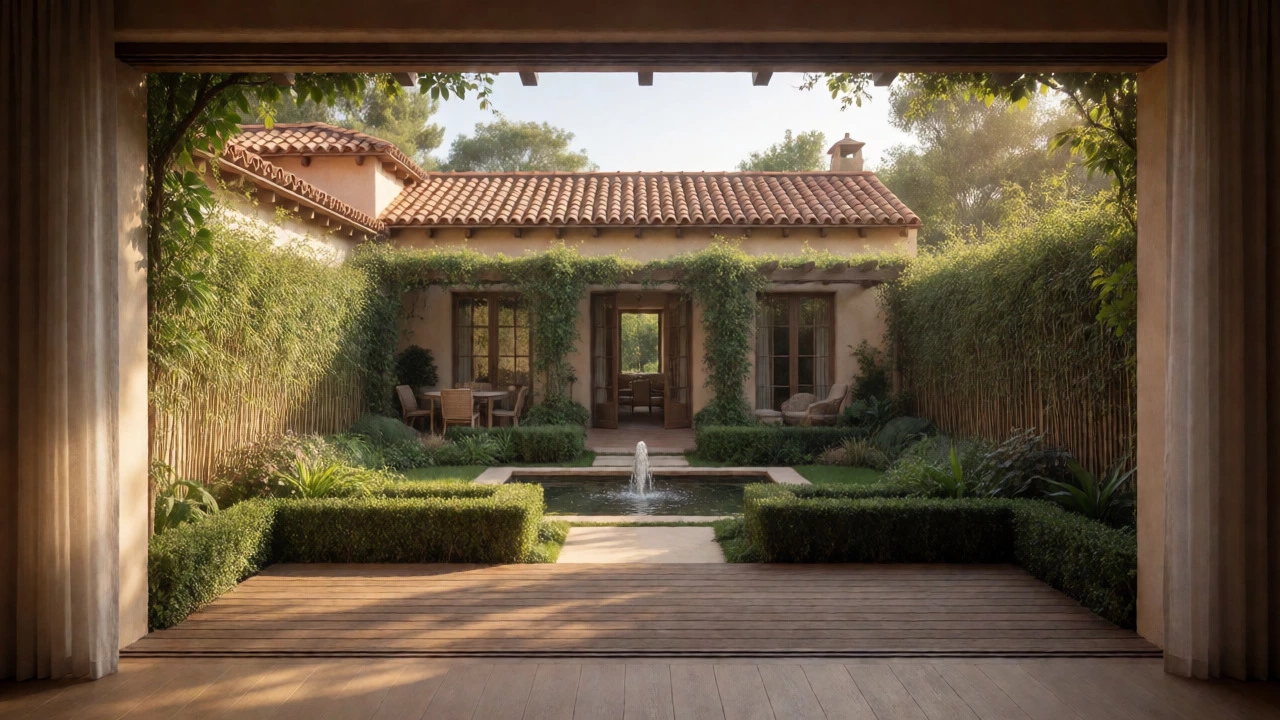
So, what do you actually see when you look at a villa? While styles vary wildly depending on whether you are in Bali, California, or Adelaide, certain features tend to signal authenticity. First, look for the roofline. Traditional villas often feature low-pitched roofs, sometimes tiled with terracotta or clay. These materials help regulate temperature in warm climates, which is why so many coastal properties use them. Modern interpretations might use flat roofs with parapets, but the goal is still the same: creating a horizontal, grounded appearance rather than reaching for the sky like a skyscraper.
Another hallmark is the facade. Villas rarely have plain, unadorned fronts. They feature large windows, often floor-to-ceiling, to blur the line between inside and outside. You might see columns, arches, or pergolas. These aren’t just decorative; they provide shade and define outdoor living areas. If you are looking at photos, count the number of openings facing the garden. A genuine villa design maximizes views of private greenery. If the largest windows face a neighbor’s fence, it’s probably not designed as a true villa experience.
Material choice also tells a story. Stone, brick, wood, and stucco are common. High-end villas often mix these textures. Imagine a base of rough-hewn stone supporting smooth white plaster walls, topped with dark timber beams. This contrast adds visual weight and character. Cheap imitations often use vinyl siding or uniform brick veneer without variation. Pay attention to the craftsmanship around window frames and entryways. Authentic villas invest in detail because they are meant to be admired from the outside as well as lived in.
Interior Layouts: Flow and Function
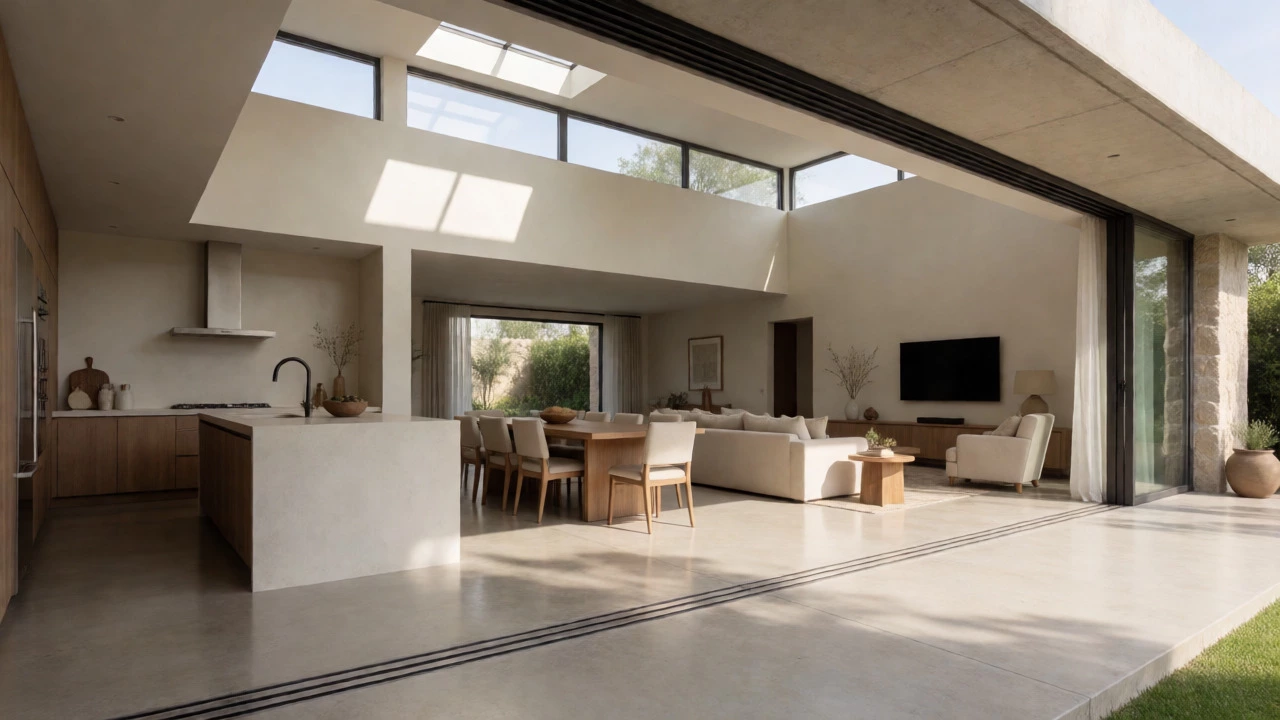
Step inside, and the difference becomes even clearer. Apartments often suffer from compartmentalization-small rooms connected by narrow hallways. Villas do the opposite. They embrace open-plan living. The kitchen, dining, and living areas usually flow into one another without solid walls blocking sightlines. This isn’t just a trend; it’s structural. Because villas have larger footprints, architects can create expansive zones that feel airy and breathable.
Natural light is a non-negotiable element. You will find skylights, clerestory windows, and double-height ceilings in many designs. The idea is to reduce reliance on artificial lighting during the day. Walk through a well-designed villa, and you’ll notice how the sun moves across the room. Shadows shift gently rather than hitting hard corners. This requires careful orientation of the building on the lot. North-facing windows (in the Southern Hemisphere) capture winter sun while blocking harsh summer glare. South-facing aspects maximize light in cooler climates.
Bedroom placement also differs. In a villa, master suites are often secluded wings of the house, separated from guest bedrooms by living spaces or staircases. This ensures quiet. You won’t hear footsteps above you because there are no upstairs neighbors. You won’t hear voices below because the layout distributes weight differently. Closets are built-in, not added later. Storage is integrated into the architecture, keeping clutter hidden and maintaining the clean aesthetic that defines high-end residential design.
The Outdoor Connection: Gardens, Pools, and Patios
If there is one feature that separates a villa from a regular house, it is the integration of outdoor living. This isn’t just a backyard with a barbecue pit. It is an extension of the interior. Look for seamless transitions-sliding glass doors that disappear completely into walls, allowing the patio to become part of the living room. Materials often match indoors and out. Polished concrete floors might continue onto the terrace. Timber decking might mirror indoor flooring.
Water features are common. Not every villa has a swimming pool, but many include fountains, reflecting ponds, or lap pools. Water adds sound and movement, enhancing the sensory experience of the space. Even small courtyards with a central fountain create a microclimate that cools the air. In hotter regions like Australia, this passive cooling technique is practical, not just pretty.
Gardens are curated, not wild. Expect structured landscaping-trimmed hedges, geometric pathways, and native plants chosen for low maintenance and drought resistance. Privacy screens made of bamboo, trellis, or dense foliage block views from neighboring properties. This allows you to swim, dine, or relax without feeling observed. The garden is your second living room, and it should function as comfortably as the first.
Regional Variations: What Does a Villa Look Like Where?
Context changes everything. A villa in Tuscany looks nothing like a villa in Singapore. Understanding regional differences helps you spot authentic designs versus generic constructions.
| Region | Key Architectural Features | Primary Focus |
|---|---|---|
| Mediterranean (Italy/Greece) | Terracotta roofs, stucco walls, arched doorways, inner courtyards. | Shade, cool interiors, social gathering spaces. |
| Tropical (Bali/Thailand) | Open-air pavilions, teak wood, thatched roofs, elevated foundations. | Airflow, humidity control, blending with jungle/garden. |
| Modern Minimalist (California/Australia) | Flat roofs, glass walls, steel beams, neutral palettes. | Views, natural light, indoor-outdoor continuity. |
| Colonial (India/Southeast Asia) | Verandas, high ceilings, shuttered windows, symmetrical facades. | Heat mitigation, formal entertaining, status. |
In Mediterranean regions, thick walls keep heat out. Windows are smaller to prevent solar gain. Courtyards are central, providing light and ventilation from the middle of the house. In tropical zones, walls are almost optional. Structures rely on breezes. Roofs are steep to shed heavy rain quickly. In modern minimalist designs, technology does the work. Air conditioning handles climate, so glass dominates. The focus shifts to framing views of the ocean or city skyline.
Identifying Real Villas vs. Marketing Hype
Real estate agents love the word "villa." It sells. But how do you know if you’re getting the real deal? Check the title deed or strata plan. Does the property include exclusive use of land? Or is it just an apartment block with a fancy name? True villas usually offer freehold ownership of the land beneath the structure. Townhouses might share land costs. Apartments don’t own land at all.
Look at the community density. Are there ten villas packed tightly together, sharing fences and driveways? Or are they spread out with green buffers between them? Density kills the villa vibe. If you can reach over your fence and shake hands with your neighbor, it’s likely a townhouse complex marketed as villas. Check for shared facilities. Many modern villa developments offer gyms, pools, and security gates. This hybrid model-private home benefits with resort amenities-is popular but technically different from traditional standalone villas. Decide if you want total autonomy or managed convenience.
Finally, inspect the build quality. Villas command premium prices. Expect high-spec finishes. Double-glazed windows, insulated roofing, premium hardware, and smart home integration are standard. If the paint is peeling or the tiles are cracked, question the maintenance history. Luxury assets require upkeep. Neglect devalues them faster than standard homes because buyers expect perfection.
Why Choose a Villa Over Other Property Types?
People buy villas for lifestyle reasons. You want space for family growth. You need room for hobbies-a studio, a workshop, a home gym. You value privacy for remote work. You enjoy hosting guests who stay overnight. A villa accommodates these needs better than an apartment. You can renovate freely. Knock down a wall. Add a deck. Plant a tree. You control your environment.
However, villas require effort. Landscaping takes time. Maintenance costs money. Security systems need monitoring. Insurance premiums are higher due to replacement value. Weigh these responsibilities against the freedom they provide. For some, the hassle outweighs the benefit. For others, owning your own patch of earth is worth every dollar spent on lawnmowers and repairs.
Is a villa always bigger than a house?
Not necessarily. While villas are often spacious, size depends on the market. A compact urban villa might be smaller than a sprawling rural farmhouse. The defining feature is layout and privacy, not just square footage.
Do all villas have swimming pools?
No. While pools are common in luxury and tropical markets, many villas rely on gardens, courtyards, or proximity to public beaches. Some owners prefer low-maintenance landscaping over water features.
What is the difference between a villa and a townhouse?
A townhouse typically shares walls with neighbors and may have limited private outdoor space. A villa is usually detached or semi-detached, offering greater privacy, independent land ownership, and more extensive garden areas.
Are villas cheaper to maintain than mansions?
Generally, yes. Mansions often involve historic preservation challenges, vast grounds, and specialized systems. Villas are modern structures focused on efficiency, though they still require regular gardening and exterior upkeep compared to apartments.
Can I rent a villa long-term?
Yes, especially in tourist destinations. However, long-term rentals may have restrictions on modifications or subletting. Always check lease terms regarding maintenance responsibilities for gardens and pools.