Thinking about buying land? Whether you need a small garden plot or a sprawling farm, the first step is to understand the basics. Land isn’t a one‑size‑fits‑all product – size, price, soil, and location all matter. In this guide we break down the most common questions, share real‑world examples, and give you tips you can use today.
People often get confused when they hear “20 acres” or “½ acre.” One acre equals 43,560 square feet – about the size of a football field without the end zones. If you picture a square, each side is roughly 208 feet. For a visual, 20 acres is like 20 football fields side by side. That helps when you compare a plot to your needs – a hobby farm, a grazing field, or a residential development.
Land prices vary wildly. In rural parts of India, an acre can cost as low as a few lakh rupees, while prime city outskirts can soar into crores. Factors that drive price include proximity to highways, water sources, soil fertility, and local demand. For example, fertile soil in the Midwest United States makes land more valuable for farming, while in Texas you’ll find cheaper parcels because of vast open space.
Check recent listings in the region you’re interested in. Most platforms now show price per acre, so you can compare quickly. Remember to add hidden costs – clearing, zoning, and taxes – to get a true picture of what you’ll spend.
Looking at specific cases helps. In West Virginia, the cost of one acre ranges from $2,000 in remote counties to over $15,000 near growing towns. In Texas, the same acre might be under $1,000 because the market is flooded with land. These extremes illustrate why local research is a must.
So, how do you spot a good deal? Look for land with decent road access, reliable water, and a clear title. If the soil is rich – like the “best soil in the US” found in the Midwest – you get extra value for farming or building. On the other hand, if the land is flat, has few restrictions, and sits near future development plans, it can appreciate fast.
Got a specific size in mind? Want to know how many cows you can run on 20 acres? A common rule is one animal unit per 1.5 to 2 acres of good pasture. That means on 20 acres you could comfortably raise 10‑13 cows, depending on grass quality and management practices. This figure changes if the land is hilly or has poor soil.
If you’re clearing land, budgeting is crucial. In North Carolina, clearing three acres can run $5,000‑$9,000 based on vegetation density and equipment needed. Factor this into your total cost before you sign any agreement.
Lastly, don’t forget future potential. States like Utah have seen land prices skyrocket due to tech growth and recreational demand. Even if prices feel high now, the land could pay off as the area develops.
Ready to start the search? Use these guidelines to filter listings, compare sizes, check soil reports, and calculate total costs. The more you know, the smarter your land purchase will be.
Got more questions? Dive into our detailed articles on topics like “How Many Cows Per 20 Acres” or “Best Soil in the US” for deeper insights. Happy land hunting!
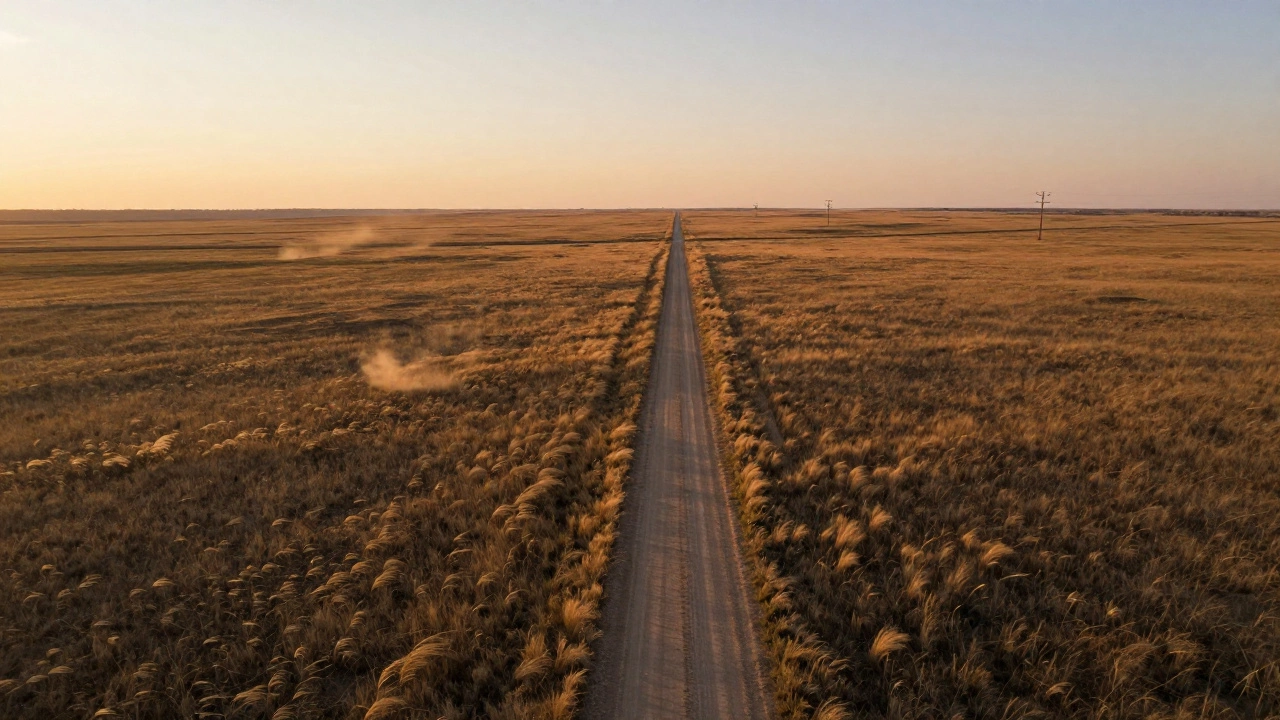
Discover where you can buy an acre of land for under $1,000 in 2025-from remote U.S. prairies to rural Moldova. Learn the hidden costs, legal risks, and best strategies for turning cheap land into a smart long-term investment.
 0
0
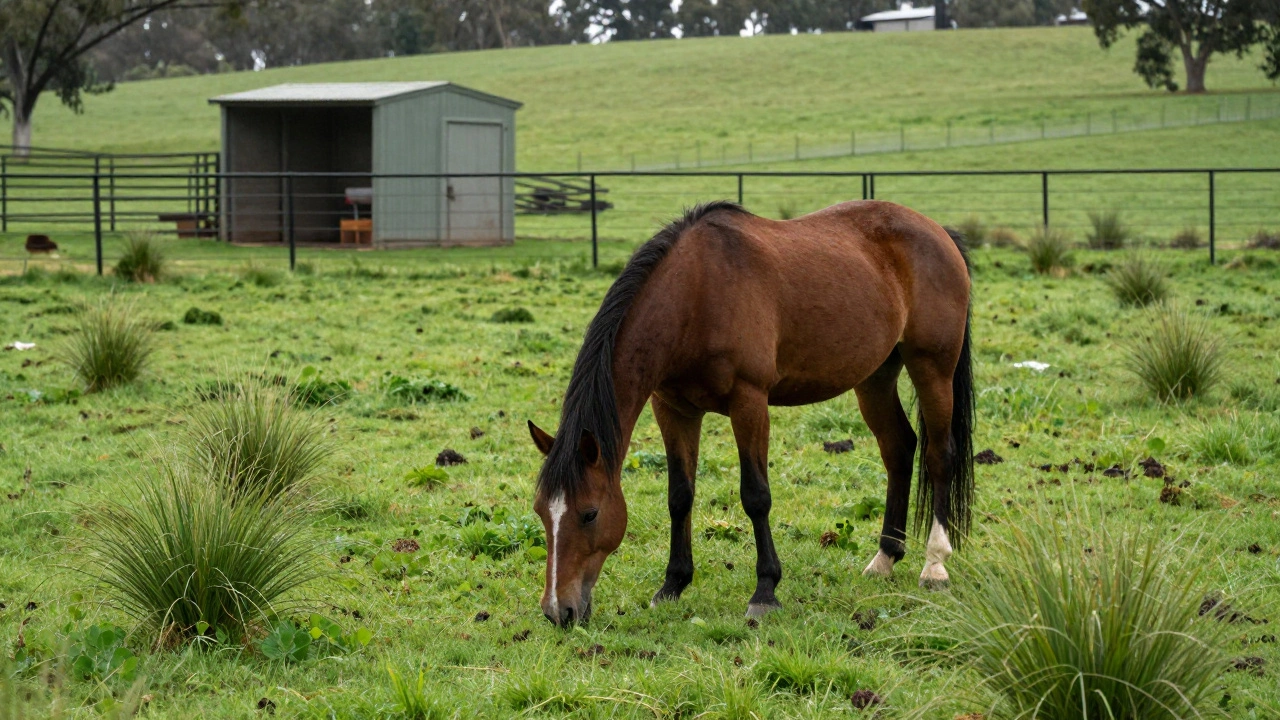
Learn how many acres you really need for a horse-beyond the myths. From pasture health to zoning rules in South Australia, this guide gives practical, real-world advice for horse owners.
0

You never stop paying property taxes in Utah just because you're old, but seniors 66 and older can qualify for significant tax credits if they meet income and residency rules. Learn how to apply and avoid common mistakes.
0
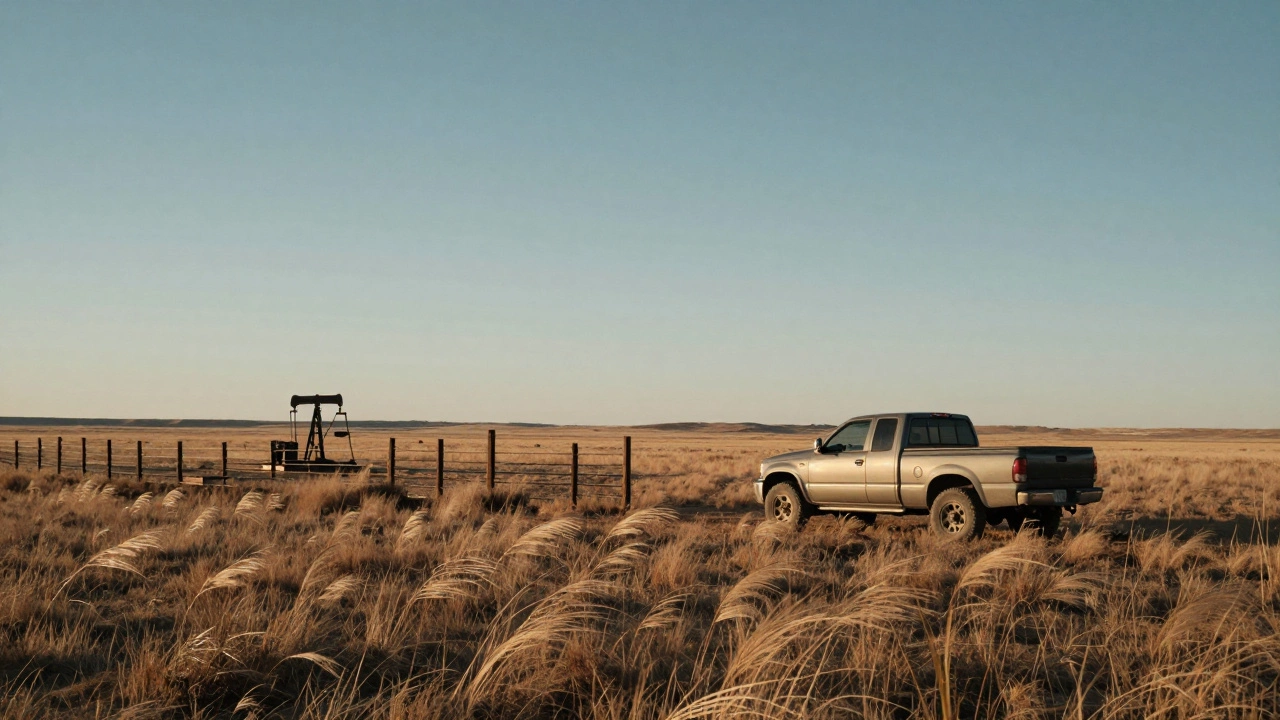
Find out where you can buy the cheapest farmland in 2025, including hidden bargains in New Mexico, Mississippi, North Dakota, and Texas-along with what to check before you buy.
0
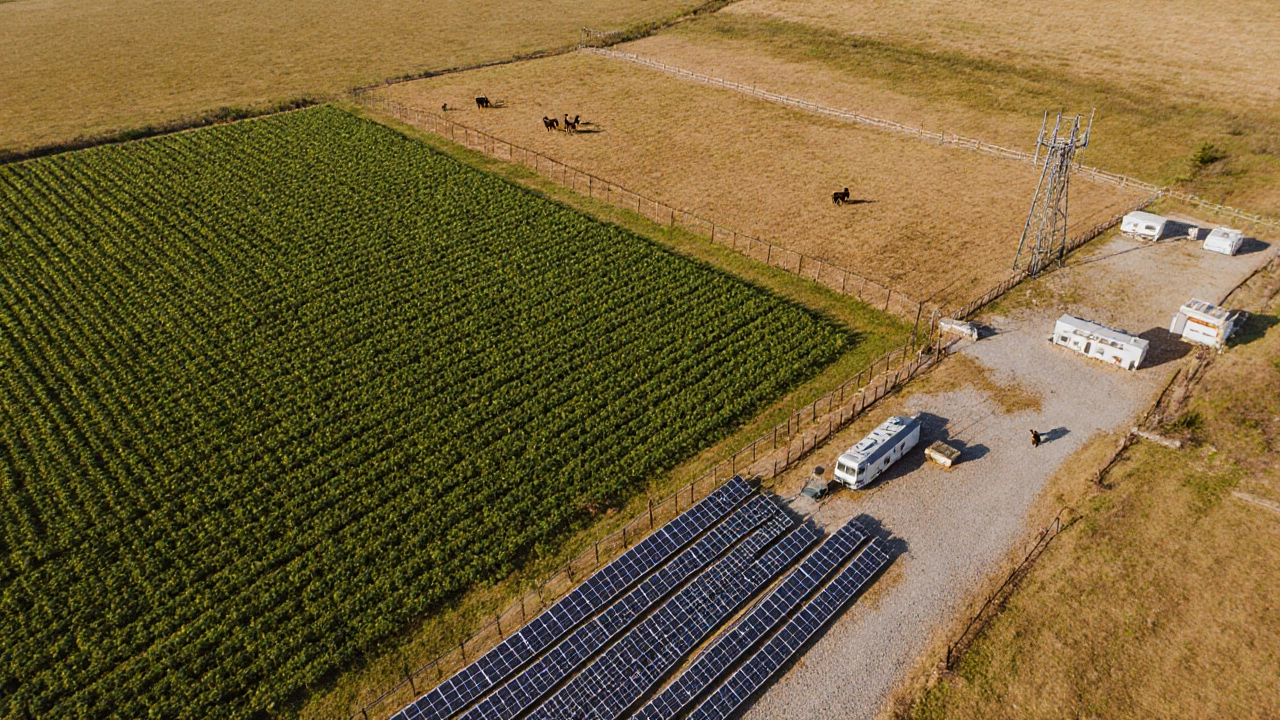
Learn practical ways to turn a 20‑acre parcel into steady income, from farming and livestock to solar leases and RV parks, with costs, revenue estimates, and step‑by‑step guidance.
0
Discover how far 20 acres is in miles, get vivid comparisons, and learn land size basics. Perfect for buyers, sellers, and curious minds alike.
0
Wondering how many cows you can run on 20 acres? Here’s the science, hard facts, and practical tips to raise cattle on your land—without wrecking the pasture or your budget.
0

Curious about buying land in West Virginia? This guide breaks down the real cost of 1 acre across different counties, highlights what drives prices up or down, and shares handy tips to get the most value for your money. Whether you want a getaway plot, a home site, or an investment, you'll know where to look and what to expect. Get practical advice on hidden costs and the small details that make a big difference in the land-buying process.
0
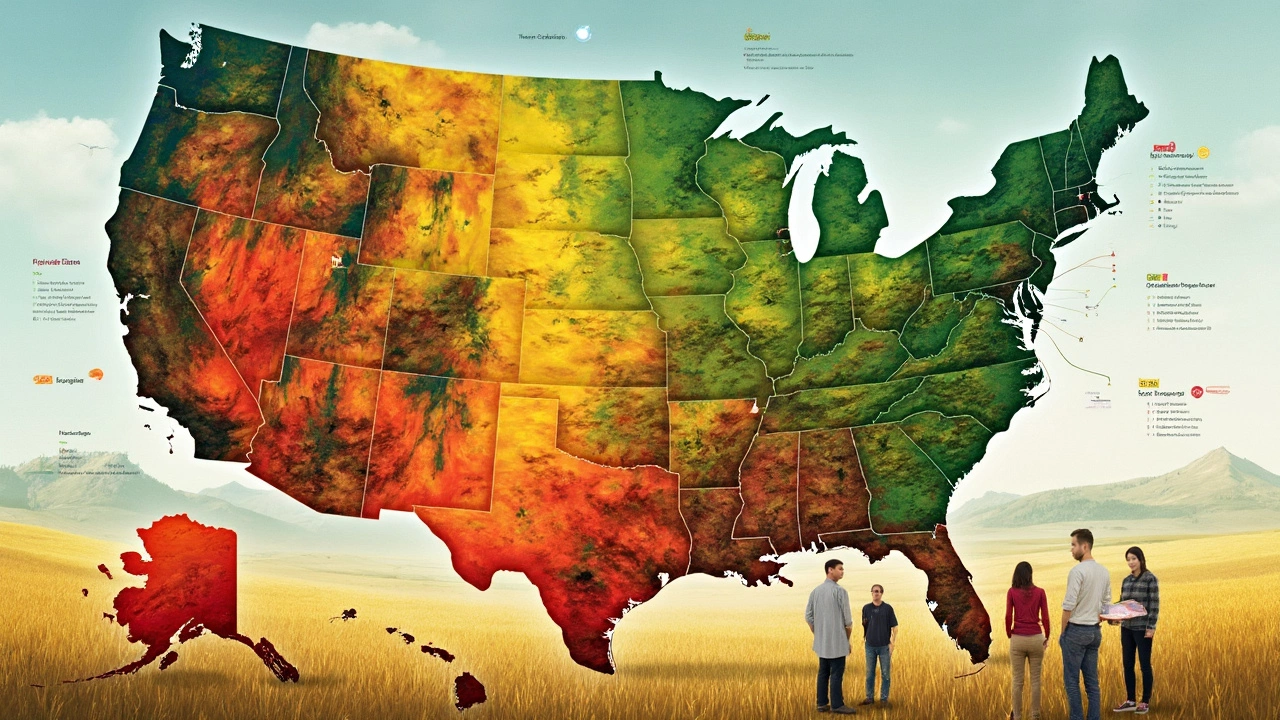
Looking for the best soil in the US before buying land? This article breaks down which state truly has the richest, most fertile soil. Get straight facts on what makes soil top-tier, see hard data on where crops thrive, and learn practical tips for land buyers. Dig into the real reasons why soil quality can make or break your investment. If you want land that delivers, these insights will save you a lot of hassle.
0
Wondering what 1 acre of land really costs in the US right now? Land prices aren’t one-size-fits-all—they swing wildly based on where you look, what the land is for, and the local economy. This article dives into current prices, explains why land is so much pricier in some places, and gives practical tips for anyone considering a purchase. From farmland to city lots, find out what you’re really paying for when you buy an acre. Plus, get advice to help you spot a smart deal or avoid a costly mistake.
0

Exploring why land in Texas remains affordable, this article uncovers various economic and environmental factors. Discover the influence of Texas's large size, diverse landscape, and favorable tax situation. Also, understand how zoning laws and population growth patterns impact land prices. Learn about the appeal of Texas land and get practical insights into purchasing property in the Lone Star State.
0

Utah isn't just about stunning landscapes and outdoor adventures; it also has a buzzing economy and growing real estate scene. Delve into what makes Utah a wealthy state—from its booming tech industry to the high demand for land. Learn about the unique economic factors and lifestyle perks that draw people to Utah and whether it's a solid choice for buying land.
0