Buying a farm isn’t just about picking a plot of land. It’s about finding the sweet spot where price, access, water, soil, and future value line up. And right now, the cheapest places to own a farm aren’t where you might expect. Forget the romanticized image of rolling hills in Vermont or the iconic red barns of Iowa. The real bargains are in places with low population, minimal regulation, and plenty of undeveloped land-places where you can get 100 acres for less than the price of a modest city apartment.
Eastern New Mexico: Dirt Cheap, But Don’t Skip the Water Check
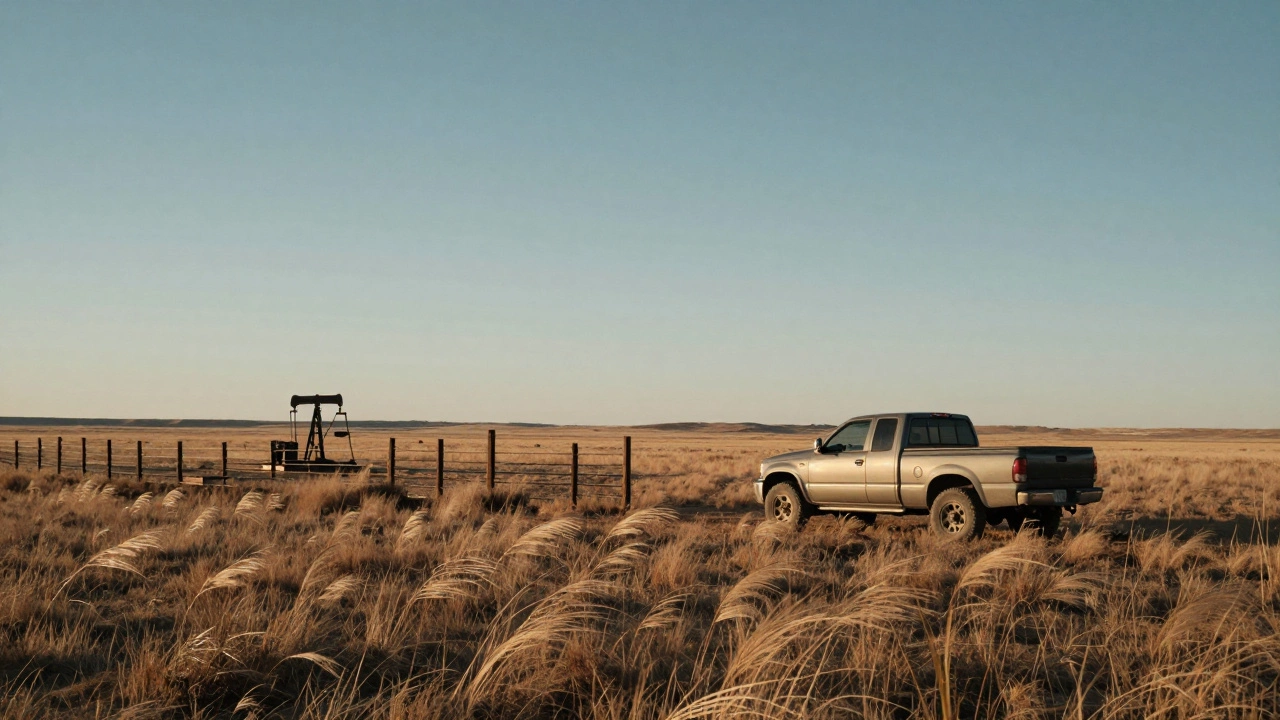
Head to the eastern plains of New Mexico and you’ll find some of the lowest land prices in the continental U.S. Near towns like Tucumcari and Clovis, you can buy 100 acres of dryland pasture for under $50,000. That’s less than $500 per acre. Some parcels go for even less if they’re far from roads or lack visible water sources.
But here’s the catch: rainfall averages just 14 inches a year. You can’t grow corn or hay without irrigation. That means you need access to groundwater-or be ready to drill. A deep well can cost $20,000 to $50,000, depending on depth and flow. Check the New Mexico Office of the State Engineer’s water rights database before you sign anything. Many sellers don’t mention that the water rights are leased, not owned. If the aquifer is declining, your farm could become unusable in five years.
Still, if you’re okay with cattle grazing on native grasses and don’t mind hauling water or installing solar-powered pumps, this is one of the few places where you can own a working farm without a six-figure loan.
Central Mississippi: Forgotten Land, Big Potential
Mississippi’s Delta region used to be the nation’s cotton heartland. Today, it’s one of the poorest areas in the country-and that’s exactly why farmland here is so cheap. Near towns like Greenville and Clarksdale, you can find 50 to 200 acres of fertile, alluvial soil for $1,000 to $2,500 per acre. That’s a fraction of what similar land costs in Illinois or Iowa.
Soil quality is excellent. The Mississippi River deposited rich silt over thousands of years. You can grow soybeans, corn, or even vegetables here. The real issue isn’t the dirt-it’s infrastructure. Many of these farms lack reliable power, internet, or paved roads. If you want to live on the property, you’ll need to budget for septic systems, well drilling, and maybe even a new driveway.
There’s also a history of absentee ownership. Some parcels have been passed down for generations but never maintained. Title issues are common. Hire a local land attorney to run a title search. You don’t want to buy land only to find out someone else has mineral rights-or that the previous owner left behind unpaid property taxes that now belong to you.
Western North Dakota: Wind, Wheat, and Low Taxes
North Dakota’s western counties-like McKenzie and Dunn-are seeing a quiet land boom. Not because of population growth, but because of oil. When fracking drove prices up in the 2010s, many landowners sold their property and moved away. Now, the oil rush has cooled, but the land is still there-and still cheap.
You can find 160-acre parcels near Watford City for $1,500 to $3,000 per acre. That’s around $240,000 for a full section. The soil isn’t as rich as Iowa’s, but it’s perfect for dryland wheat and barley. Rainfall averages 16 to 18 inches a year, which is enough if you use no-till farming and crop rotation.
Property taxes are among the lowest in the country. North Dakota doesn’t have a state inheritance tax, and rural land is assessed at a fraction of market value. That means your annual tax bill could be under $1,000 even on a $300,000 farm. Plus, the state offers grants for new farmers through its Beginning Farmer and Rancher Development Program.
The downside? Winters are brutal. Temperatures regularly drop below zero. Roads freeze and snow plows don’t always reach remote areas. If you’re not used to extreme cold, this isn’t the place to start.
Central Texas: The Hidden Gem Nobody’s Talking About
Most people think of Texas as expensive-especially near Austin or Dallas. But head west, past San Angelo and into the Edwards Plateau, and you’ll find some of the most affordable farmland in the state. Near towns like Ballinger or Brady, 200-acre tracts sell for $1,000 to $1,800 per acre. That’s under $360,000 for a full farm.
Water is the key here. The Edwards Aquifer feeds dozens of springs and creeks. Many parcels come with existing wells or ponds. You can grow hay, raise goats, or even start a small vineyard. The soil is limestone-based, which is great for certain crops and livestock.
Texas has no state income tax. Property taxes are higher than in North Dakota, but they’re capped at 1.8% of appraised value. And if you enroll your land in an agricultural use valuation program, your tax bill can drop by 70%. All you need is to keep the land actively farmed-no fancy permits required.
There’s one risk: wildfire. Dry brush and high winds make fire a real threat. Make sure your property has firebreaks and that your insurance covers it. Most rural policies here don’t include fire unless you specifically ask.
Why These Places Beat the Usual Suspects
Why not buy in Kansas or Nebraska? They’re cheaper than California, sure. But prices there have climbed steadily over the last decade. Farmland in Kansas now averages $5,000 to $7,000 per acre. Nebraska? $6,000 and up. Even in Iowa, the heart of corn country, prices hit $12,000 per acre in 2024.
The places listed above aren’t trendy. They don’t have Instagram-ready sunsets or farmers’ markets. But that’s the point. The cheapest land is usually the least marketed. You won’t find it on Zillow or Realtor.com. You need to work with local land agents, visit county appraisal districts, and talk to people who’ve lived there for 40 years.
Also, don’t assume cheap land means easy to manage. A $10,000 farm with no water, no power, and no road access can cost you $100,000 to make usable. Always factor in infrastructure costs. A good rule of thumb: add 30% to your purchase price for setup.
What You Should Check Before You Buy
Here’s a quick checklist before you hand over any money:
- Water rights - Is water legally yours? Or is it shared, leased, or seasonal?
- Soil test - Get a lab analysis. Some land looks good but has high salinity or heavy metals.
- Access - Can you drive a truck to the property year-round? Or is it only reachable by ATV in summer?
- Utilities - Is there electricity? Internet? Sewer? If not, how much will it cost to install?
- Tax status - Is the land enrolled in agricultural use? That can slash your tax bill.
- Restrictions - Are there HOAs, conservation easements, or zoning rules that ban livestock or buildings?
- History - Has the land been used for mining, fracking, or chemical storage? Get an environmental screening.
Most sellers won’t mention these things. You have to ask-and then verify.
Who Should Avoid Buying Farmland Here
If you’re looking for a weekend getaway or a place to build a tiny house and grow tomatoes, skip these areas. The cheapest land is often the most isolated. You won’t find coffee shops, doctors, or grocery stores within 30 miles. You’ll need to be self-sufficient.
Also, if you plan to farm full-time without experience, you’re setting yourself up for failure. Farming isn’t a hobby. It’s a business with long seasons, unpredictable weather, and thin margins. Even in the cheapest places, you need at least $20,000 to $50,000 in operating capital to get started.
And if you’re hoping to flip the land in five years? Forget it. Rural land doesn’t appreciate fast. You’re buying for lifestyle or long-term use-not profit.
Bottom Line: Cheapest Doesn’t Mean Easiest
The cheapest places to own a farm in 2025 are in the American interior-where the land is dry, the towns are small, and the people are quiet. Eastern New Mexico, central Mississippi, western North Dakota, and central Texas offer the lowest entry points. But they demand more from you: patience, resilience, and a willingness to fix what others ignore.
There’s no magic formula. But if you’re ready to do the legwork, test the water, check the soil, and live with the consequences-you can own a real farm for less than most people spend on a used car.
And that’s worth more than any glossy brochure.