
Rent Arrears Repayment Planner
Enter the details of the tenant's debt below to generate three potential repayment scenarios (Aggressive, Balanced, Conservative) based on standard tenancy best practices.
Recommended Scenarios
Next Steps for Your Agreement
- Choose one scenario above and discuss it with your tenant.
- Draft a written Minimum Payment Agreement including the total arrears, regular rent, extra repayment amount, and end date.
- Ensure both parties sign and date the document.
- Monitor payments weekly. If a payment is missed, refer to the breach clause in your agreement.
You’ve got a tenant who’s struggling to pay their rent on time. Maybe they lost a job, had a medical emergency, or just hit a rough patch. As a landlord, you want to keep the tenancy going but also protect your income. This is where a Minimum Payment Agreement (often called a payment plan or arrears agreement) comes into play. It’s not a new lease; it’s a formal add-on to your existing rental contract that sets out exactly how the tenant will catch up on what they owe.
Why You Need More Than Just a Verbal Promise
It’s tempting to just say, "Hey, I know things are tight, just pay me $50 extra each week until you’re square." But if things go south later, "he said, she said" doesn’t hold much water in a tribunal. A written agreement protects both sides. For the tenant, it stops you from suddenly issuing a breach notice for non-payment while they’re actively trying to fix the problem. For you, it creates a legal paper trail. If they miss two payments under this plan, you have clear grounds to escalate to eviction proceedings because they broke the specific terms of the repayment schedule, not just the general rent obligation.
The Core Components of a Solid Agreement
Don’t overcomplicate it. A good minimum payment agreement needs to be simple enough that anyone can understand it without a lawyer. Here’s what must be included:
- Total Arrears: The exact dollar amount owed as of the date the agreement starts. Don’t guess. Calculate it down to the cent.
- Regular Rent: Confirm that the standard weekly or fortnightly rent continues unchanged unless otherwise agreed.
- Repayment Amount: The extra money added to each regular rent payment specifically to reduce the debt.
- Frequency and Dates: When is this extra money due? Usually, it’s paid at the same time as the regular rent to make tracking easier.
- End Date: A projected date when the debt should be fully cleared. This keeps everyone focused on a finish line.
- Consequences of Breach: What happens if they miss a payment? Does the full arrears balance become due immediately? Do you regain the right to issue a termination notice?
How to Structure the Repayment Schedule
The biggest mistake landlords make is setting a repayment amount that’s too high. If a tenant owes $1,000 and you demand $200 extra per week, they’ll likely fail within a month. Why? Because life costs money. They still need food, utilities, and transport. A realistic plan considers their capacity to pay. In Australia, many tribunals look favorably on plans that allow tenants to maintain basic living standards while clearing debt. A common rule of thumb is to aim for clearing the arrears over 3 to 6 months, depending on the size of the debt and the tenant’s income stability.
| Scenario | Extra Weekly Payment | Time to Clear Debt | Risk Level |
|---|---|---|---|
| Aggressive | $400 | 3 Weeks | High - Likely to cause cash flow stress |
| Balanced | $150 | 8 Weeks | Medium - Sustainable for most stable incomes |
| Conservative | $75 | 16 Weeks | Low - Safer, but longer exposure to risk |
Legal Standing in Australian Tenancy Law
In jurisdictions like South Australia, Victoria, and New South Wales, residential tenancy laws generally require landlords to act reasonably before seeking possession. A signed minimum payment agreement demonstrates that reasonableness. It shows you gave the tenant a fair chance to remedy the breach. However, remember that this agreement does not waive your rights entirely. Most standard forms include a clause stating that failure to adhere to the payment plan constitutes a serious breach of the tenancy agreement. This allows you to apply to the relevant civil and administrative tribunal for an order to terminate the tenancy if the tenant defaults again.
Common Pitfalls to Avoid
One major pitfall is forgetting to update the agreement if circumstances change. If the tenant gets a better job and wants to pay off the debt faster, amend the document. Another trap is mixing up the security bond with the arrears. Never deduct arrears from the bond before moving out unless the tenancy has ended and you follow proper claim procedures. While the tenancy is active, the bond remains untouched as security for damage or unpaid rent at the end of the term. Also, avoid accepting partial payments without noting them. Every transaction needs a receipt. Use bank transfers so there’s an automatic digital record, rather than cash which requires manual logging.

When to Say No to a Payment Plan
Not every situation warrants a minimum payment agreement. If a tenant has missed three months’ rent already, or if they’ve broken a previous payment plan twice, you might be wasting your time. Continually extending deadlines can signal to a bad-faith tenant that there are no real consequences. Assess their history: Is this a one-off crisis or a pattern of financial mismanagement? If they have no clear path to increasing their income, a structured exit strategy might be better than a prolonged struggle. Sometimes, negotiating a mutual termination with a small cash incentive to move out quickly saves more money in legal fees and vacancy periods than holding out for repayments that never come.
Step-by-Step Implementation Guide
- Calculate the Debt: Review your ledger. Ensure all late fees (if applicable under local law) and unpaid rent are accounted for.
- Draft the Document: Use a template provided by your local consumer affairs body or tenancy union. These are usually free and legally sound.
- Negotiate Terms: Sit down with the tenant. Be firm on the total debt but flexible on the weekly amount if needed. Listen to their constraints.
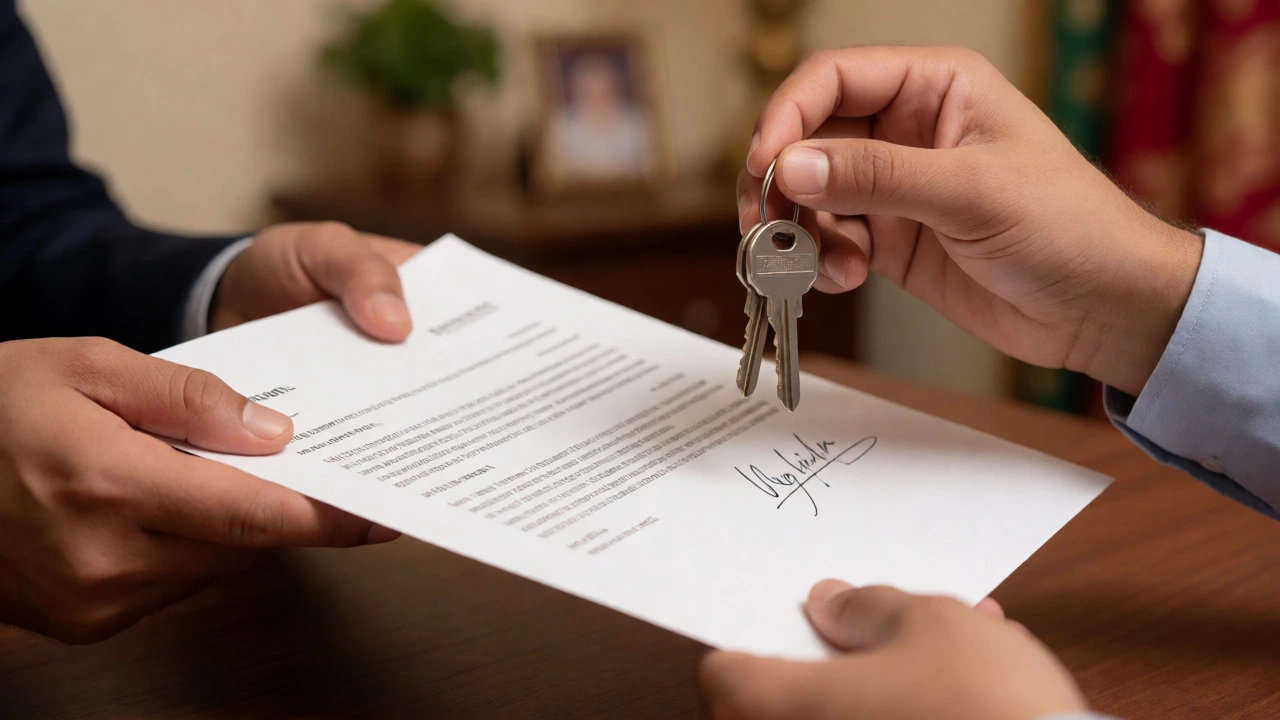
- Sign and Date: Both parties must sign. Give the tenant a copy immediately. Keep the original in your records.
- Monitor Payments: Check your account every payday. Send a friendly reminder if a payment is late, referencing the specific clause in the agreement.
- Review Regularly: Set a calendar reminder for 4 weeks in to check progress. Celebrate milestones to keep morale up.
Does a minimum payment agreement stop eviction?
No, it doesn't automatically stop eviction, but it delays it. It provides a conditional stay on enforcement actions as long as the tenant sticks to the plan. If they default, you can usually proceed with eviction proceedings based on the breach of the repayment agreement itself.
Can I charge interest on the arrears?
In most Australian states, charging interest on residential rent arrears is restricted or prohibited unless specified in the original lease and permitted by local legislation. Always check your state's Residential Tenancies Act before adding interest to the repayment amount.
What if the tenant pays the regular rent but misses the extra repayment?
This is a breach of the minimum payment agreement. Typically, the agreement will state that the entire remaining arrears balance becomes due immediately upon a missed installment. You should notify the tenant in writing about this breach and give them a short period to rectify it before escalating.
Is a verbal agreement valid?
While verbal agreements can be legally binding, they are extremely difficult to prove in a tribunal. Without written evidence of the agreed amounts and dates, you rely solely on memory and witness testimony. Always get it in writing to avoid disputes.
Can I evict a tenant who has signed a payment plan?
Yes, if they breach the terms of the payment plan. The agreement transforms the ongoing arrears into a specific contractual obligation. Failure to meet these specific obligations is often treated as a serious breach, allowing you to seek a termination order from the tribunal.