Property Ownership Verification Tool
Check if your property is properly registered in the land registry system. This tool simulates how title search works for common property registration systems.
When you buy a house, land, or any piece of real estate, you don’t just get a set of keys and a handshake. You get something far more important: proof of property ownership. This isn’t just paperwork-it’s the legal foundation that lets you sell, mortgage, or even defend your property in court. Without it, you don’t truly own the land, no matter how long you’ve lived there or how much you’ve paid.
What Exactly Is Proof of Property Ownership?
Proof of property ownership is the official documentation that shows you have legal rights to a piece of land or a building. It’s not a receipt, a contract, or a bank statement. It’s a registered record, usually held by a government authority, that confirms who owns what, where, and under what conditions.
In most countries, this proof comes in the form of a title or a deed. The title is the concept-the bundle of rights you hold over the property. The deed is the physical document that transfers those rights from one person to another. Both are backed by a public registry, like a land titles office or property register.
For example, if you bought a house in Adelaide in 2023, your ownership was recorded in the Land Services SA system. That record is your proof. It doesn’t matter if you’ve lost the paper deed. As long as the registry shows your name, you’re the legal owner.
How Is Proof of Ownership Created?
Proof of ownership doesn’t just appear. It’s created through a process called property registration. Here’s how it works in practice:
- You sign a contract to buy property-this is just an agreement, not proof of ownership.
- A conveyancer or solicitor checks the current title to make sure there are no liens, easements, or disputes.
- Once settlement happens, your lawyer submits the transfer documents to the government land registry.
- The registry updates its database, removes the previous owner’s name, and adds yours.
- You receive a new title certificate or an electronic record confirming your ownership.
This system exists to prevent fraud. Before modern registration, people lost homes because someone forged a deed or sold the same land twice. Now, only one name can appear on the official record. If you’re not on it, you don’t own it-not legally, anyway.
Different Forms of Proof Around the World
Not every country uses the same system. Some rely on paper deeds. Others use digital registries. Here are a few common models:
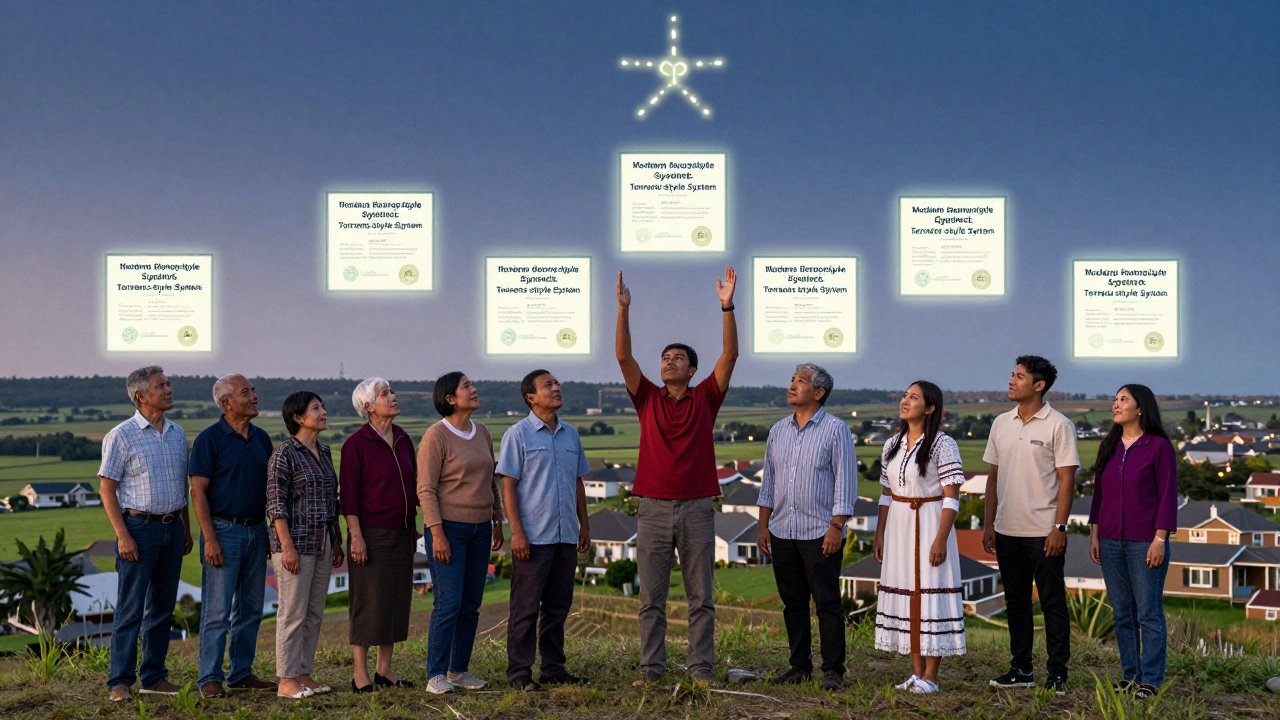
- Torrens System (used in Australia, Canada, and parts of the U.S.): Ownership is proven by registration in a central government database. The title certificate is issued by the state and is guaranteed by law. If the registry says you own it, you own it-no exceptions.
- Deed System (used in many U.S. states and the UK): Ownership is proven by a chain of deeds. You must trace every transfer back to the original owner. This is riskier because a forged deed can slip through if not caught early.
- Land Book System (used in Germany and parts of Scandinavia): A public ledger records ownership, mortgages, and restrictions. It’s similar to Torrens but often includes more detailed cadastral maps.
In Australia, the Torrens system has been in place since 1858. It’s one of the most secure systems ever created. If you’re buying land here, your proof of ownership is electronic, backed by the state, and nearly impossible to challenge unless there’s fraud.
What Happens If You Don’t Have Proof?
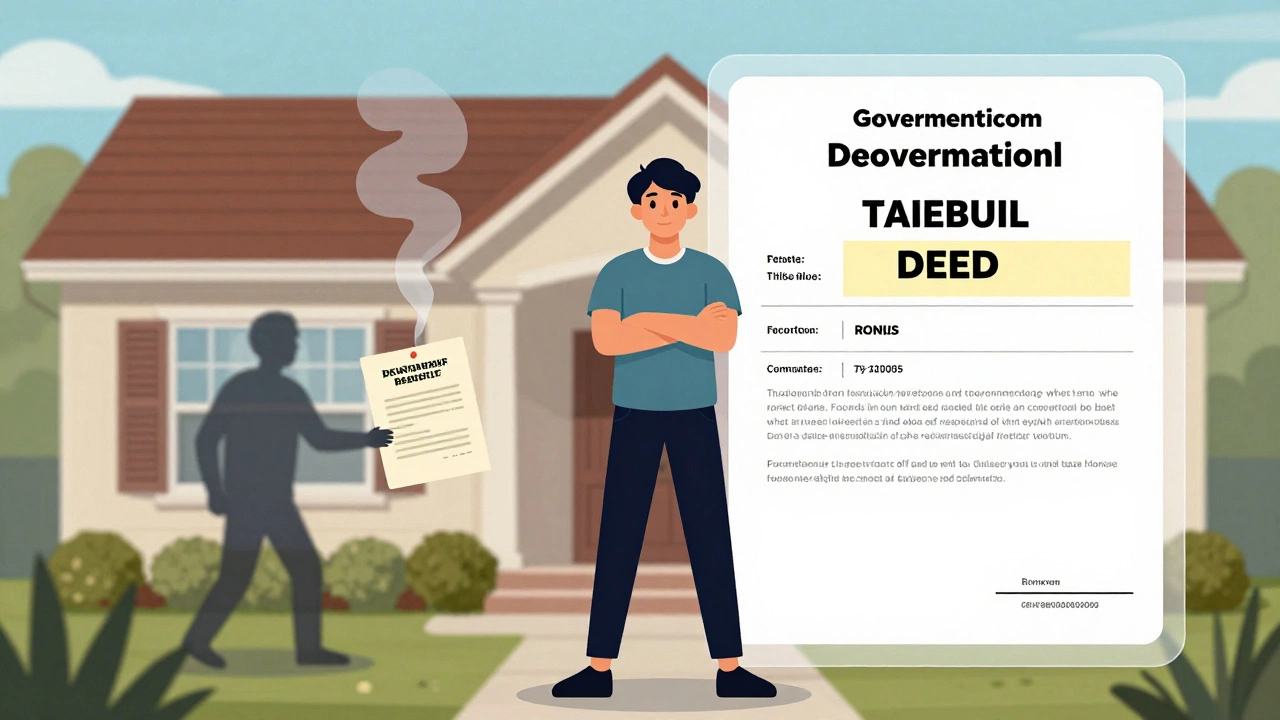
People often assume that living in a house for years makes them the owner. It doesn’t. Without registered proof, you have no legal standing.
Imagine this: You inherited a property from your grandparents. They never registered the title after buying it in the 1970s. You’ve lived there for 20 years. Then, a developer shows up with a deed from someone who claims to have bought it in 1995. Who wins? The one with the registered title-even if you’ve paid the rates, fixed the roof, and raised kids in that house.
That’s why unregistered land is dangerous. It’s vulnerable to boundary disputes, tax claims, or even forced sales. Many Indigenous communities in Australia still face this issue-land they’ve lived on for thousands of years isn’t recognized because it was never registered under colonial systems.
How to Check Your Proof of Ownership
If you’re unsure whether you have proof, here’s how to find out:
- Search your local land registry online. In South Australia, visit Land Services SA and use their Property Title Search tool.
- Look for a title reference number. It usually looks like “SP123456” or “PT10000000”.
- Request a copy of your title certificate. It’s often a small fee-under $20 in most Australian states.
- If you’re buying property, your conveyancer must provide a copy of the current title before settlement.
Never skip this step. A title search can reveal easements, caveats, or unpaid rates that could cost you thousands later.
Common Misconceptions
People often confuse proof of ownership with other documents:
- Rate notices: These show you pay taxes, but not that you own the land.
- Utility bills: Electricity or water bills prove you live there, not that you own it.
- Contract of sale: This is just an agreement to transfer ownership. It’s not proof until registered.
- Will or inheritance letter: These show intent to transfer ownership, but not actual legal title.
Only the registered title-whether paper or digital-is legally binding.
Why This Matters Today
With rising property disputes, climate-related land loss, and digital fraud, proof of ownership is more important than ever. In 2025, the Australian government rolled out blockchain-based title recording in pilot programs across Queensland and NSW. It’s not just faster-it’s tamper-proof.
If you’re renting, investing, or planning to leave property to your children, understanding this system protects you. A single unregistered title can unravel decades of financial planning. A registered one? It’s your strongest legal asset.
What to Do If Your Title Is Missing or Disputed
If you can’t find your title or someone else claims ownership:
- Immediately contact a property lawyer or conveyancer.
- Request a copy of the current title from the land registry.
- File a caveat if someone is trying to sell or mortgage your land without your consent.
- In extreme cases, apply for a court order to quiet title-this legally confirms your ownership.
Don’t wait. The longer you delay, the harder-and more expensive-it becomes to fix.