CPM ROI Calculator
Calculate Your CPM Value
When you're buying ad space on a commercial property-like a billboard, digital screen in a mall, or a banner on a high-traffic building-you're not just paying for space. You're paying for eyes. That’s where CPM comes in. CPM stands for cost per thousand impressions. It tells you how much it costs to show your ad to 1,000 people. But what’s actually a good CPM price? There’s no magic number. It depends on where you’re advertising, who’s seeing it, and what you’re trying to achieve.
What CPM Actually Means in Commercial Property
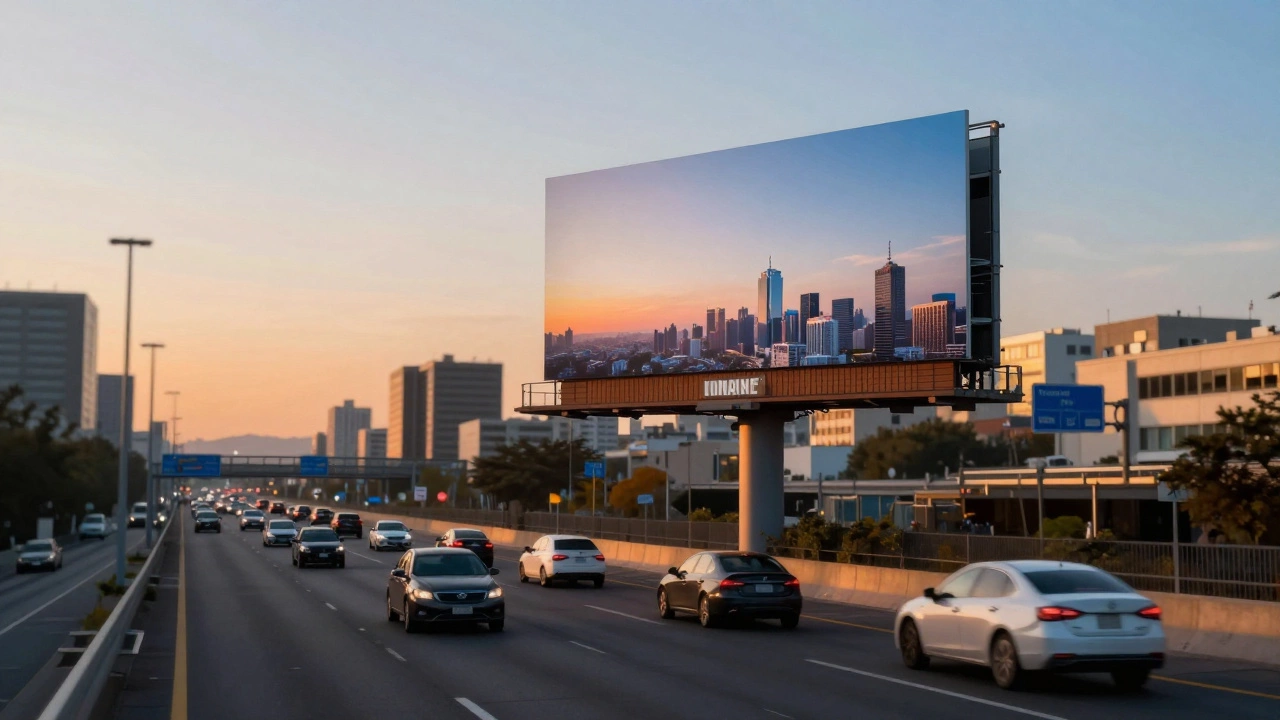
CPM isn’t just a number on a contract. It’s a metric that links physical space to audience reach. For example, a billboard on I-95 in Atlanta might have a CPM of $8. That means every time 1,000 drivers see your ad, you’ve paid $8. A digital screen inside a busy shopping mall in Chicago might charge $22 CPM because the audience is more targeted-you’re not just catching drivers, you’re catching shoppers with disposable income.
Unlike digital ads where you can track clicks and conversions in real time, commercial property ads rely on estimates. Traffic counts, dwell time, and demographic data from third-party firms like Nielsen or IRI are used to calculate impressions. These estimates aren’t perfect, but they’re the industry standard. That’s why knowing what’s normal matters-you don’t want to overpay for a spot that doesn’t deliver.
Typical CPM Ranges by Property Type
Not all commercial ad spaces are created equal. Here’s what you’re likely to see in 2025 based on real-world data from major markets:
- Highway billboards: $5-$15 CPM
- Urban street poles: $8-$20 CPM
- Mall digital screens: $15-$35 CPM
- Airport terminal screens: $25-$50 CPM
- Office building lobbies (high-end): $20-$40 CPM
- Gas station digital displays: $10-$25 CPM
These aren’t fixed prices. They vary by city, time of year, and how much foot or vehicle traffic the location gets. A billboard on the edge of a small town might run $3 CPM. One on the Las Vegas Strip? $45 CPM. Location is everything.
What Makes a CPM Price "Good"?
A good CPM isn’t the cheapest one. It’s the one that gives you the best return for your goal. If you’re launching a new energy drink and targeting gym-goers, a $30 CPM on a fitness center’s digital screen might be perfect-even if highway billboards are cheaper. Why? Because the people seeing your ad are already interested in health and fitness. You’re not wasting money on people who won’t care.
Think of it like this: A $10 CPM on a busy highway might reach 100,000 people a day. But if only 10% of them are your target customer, you’re really paying $100 CPM for the people who matter. Meanwhile, a $25 CPM on a premium grocery store screen might reach 20,000 people a day-but 70% of them are moms buying organic snacks. That’s a better value.
Good CPMs are about relevance, not volume. The most expensive spot isn’t always the best. The smartest buy is the one that puts your ad in front of the people most likely to act.

How to Check If a CPM Quote Is Fair
Before you sign anything, ask for these three things:
- Traffic data: Ask for the source. Is it from a third-party auditor like comScore or a local traffic counter? Avoid vendors who just say "we estimate 50,000 daily views" without proof.
- Demographics: Who’s actually seeing this? Age, income, gender, shopping habits. If they can’t give you this, walk away.
- Comparison to similar properties: Ask for CPMs on comparable locations. A billboard next to a hospital should cost more than one near a vacant lot. Ask for benchmarks.
Some companies will offer "package deals"-buy 12 billboards and get 2 free. That sounds great, but if those 2 are in low-traffic areas, you’re diluting your impact. Always calculate the real CPM after the discount. Sometimes the "deal" is just a way to move bad inventory.
Seasonal and Location-Based Factors
CPM prices aren’t static. They move with the calendar and the economy.
In the U.S., Q4 (October-December) is the most expensive time for commercial advertising. Retailers flood the market with holiday campaigns. Airport screens and mall displays can jump 30-50% in price. If you’re not selling holiday products, avoid this window unless you’re competing for attention.
On the flip side, January and February are the slowest months. That’s when you can lock in lower rates-sometimes 20-40% cheaper. If your product doesn’t rely on seasonal spikes, plan ahead.
Location matters even more than you think. A billboard in downtown Los Angeles might cost twice as much as one in Phoenix, but the audience is 3x larger and more affluent. A property in Miami’s Little Havana might have lower CPM but higher conversion rates for Latinx-targeted brands. Always match the location to your customer profile.
What to Avoid
Here are three common mistakes people make with CPM:
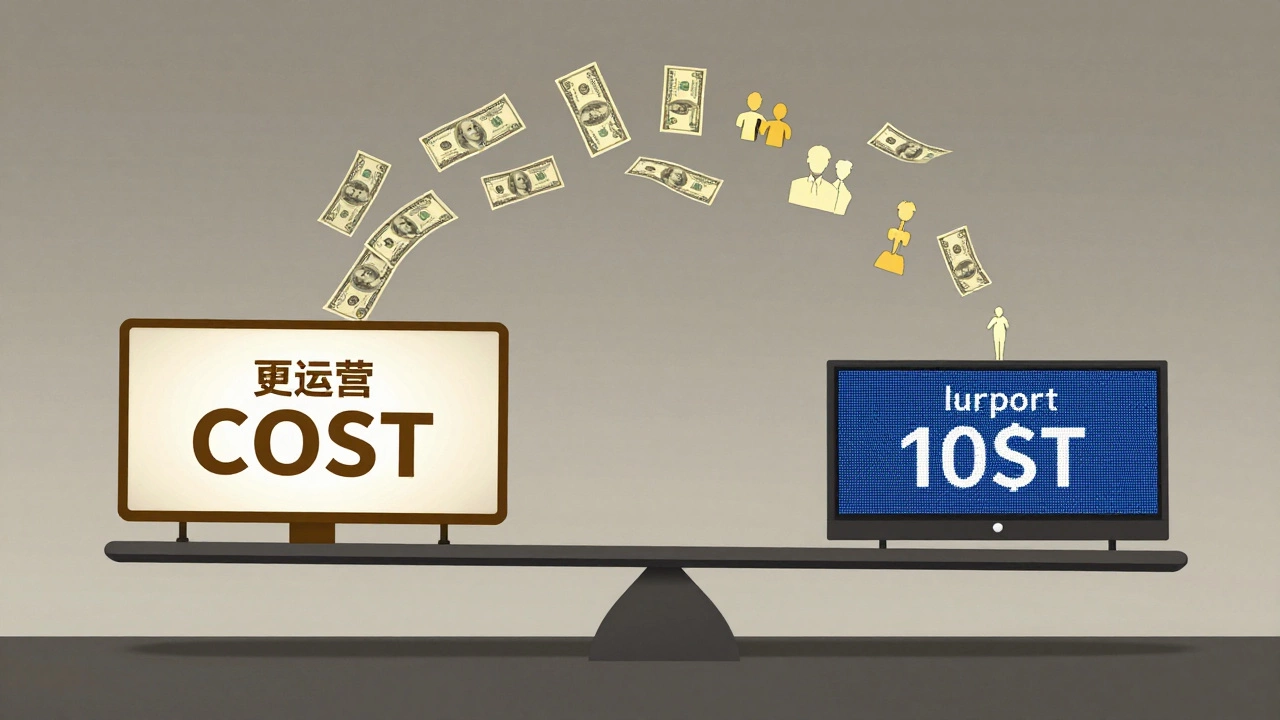
- Chasing the lowest price: A $2 CPM billboard on a quiet side street won’t help you grow your business. You need reach, but you also need relevance.
- Ignoring dwell time: A driver passes a highway billboard in 3 seconds. A shopper stands in front of a mall screen for 45 seconds. That’s a huge difference in impact. Ask how long people are exposed to the ad.
- Not testing: Run a 2-week trial on one location before committing to a 6-month contract. Measure foot traffic changes, promo code usage, or website visits during that period. Real data beats guesswork.
When to Pay More Than Average
There are times when paying a premium CPM makes sense:
- You’re launching a new product and need quick awareness.
- You’re targeting a niche audience-like luxury car buyers in a high-end shopping district.
- You’re competing in a saturated market and need to stand out.
- You’re running a limited-time campaign and need maximum visibility.
For example, a new electric vehicle brand might pay $45 CPM for a screen at a luxury car dealership’s waiting area. It’s expensive, but the audience is 90% pre-qualified buyers. That’s not a cost-it’s a sales channel.
Final Rule of Thumb
Here’s a simple way to judge any CPM offer: Multiply the CPM by the number of impressions you’ll get, then divide by your expected conversion rate. If the result is lower than your customer acquisition cost, it’s worth it.
Example: $20 CPM × 50,000 impressions = $1,000 total cost. If your conversion rate is 1%, that’s 500 people who saw your ad and 50 customers. Your cost per customer is $20. If your average sale is $200, you’re making a 10x return. That’s a good CPM.
There’s no universal "good" CPM. But there is a good CPM for you. It’s the one that aligns with your audience, your budget, and your goal. Don’t compare yourself to someone else’s billboard. Compare your results.
What is a normal CPM for commercial billboards?
A normal CPM for highway billboards in the U.S. ranges from $5 to $15. In high-traffic urban areas or major tourist corridors, it can go up to $25. Rural or low-traffic locations may be as low as $3. Always ask for traffic data from a third-party source before accepting a quote.
Is a higher CPM always better?
No. A higher CPM means you’re paying more per 1,000 views, but it doesn’t guarantee better results. What matters is whether those views are from your target audience. A $30 CPM in a luxury mall targeting high-income shoppers may outperform a $10 CPM on a highway full of commuters who aren’t your customers.
How do I track the results of a commercial property ad?
Use unique promo codes, landing pages with UTM tags, or QR codes on your ad. If you’re advertising a physical location, track foot traffic with geofencing apps or in-store sales spikes during the campaign period. Many vendors offer post-campaign reports with estimated impressions, but real results come from measuring what people actually do after seeing your ad.
Can I negotiate CPM rates?
Yes, especially if you’re buying multiple placements or committing to a long-term contract. Most outdoor advertising companies have flexibility. Ask for a discount for 6-month or 12-month buys. Also, consider off-season rates-January and February often have the lowest prices.
Do digital screens have higher CPM than static billboards?
Yes, usually. Digital screens can rotate multiple ads, update content in real time, and are often placed in high-dwell environments like malls or airports. They typically charge $15-$50 CPM, while static billboards are $5-$20. But digital doesn’t always mean better-only if your audience is there and engaged.