Short-Term Activation Pricing Calculator
Estimated Total Value
This is a License to Occupy estimate, not a full lease.
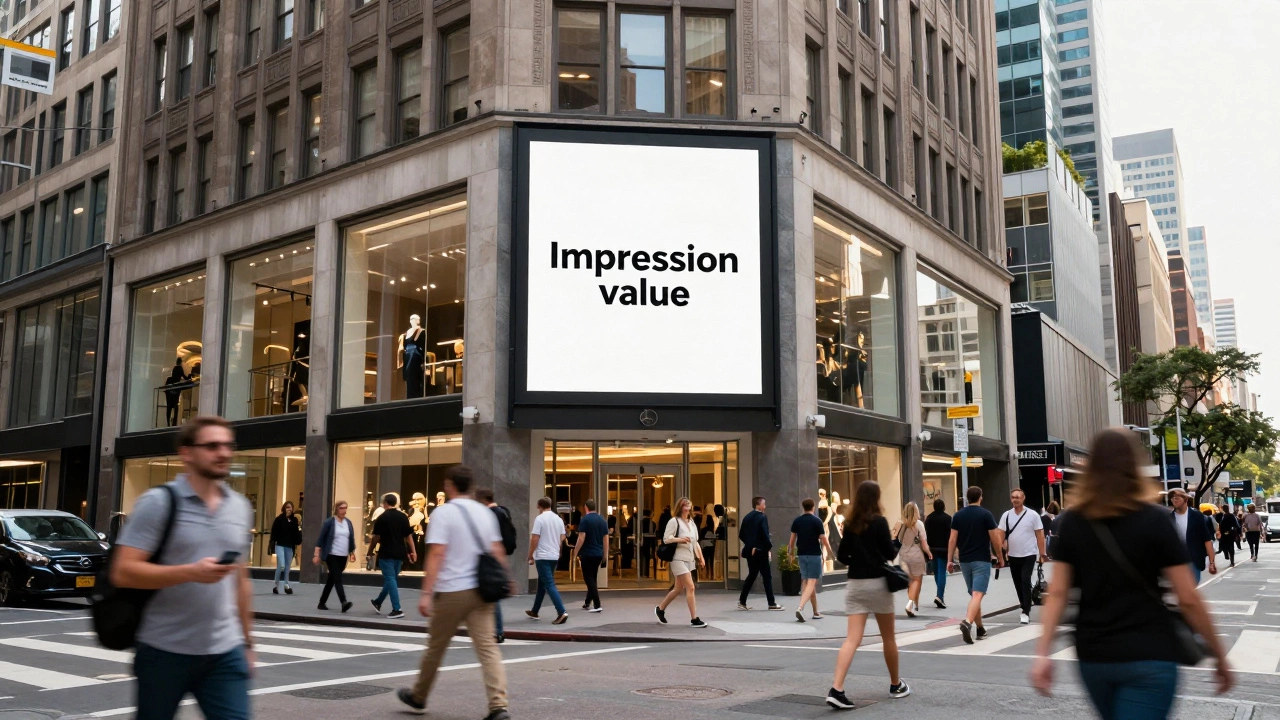
First, let's clear up the terminology. When we talk about the value of a tiny slice of time in a short term commercial lease is a rental agreement for a business space that lasts for a few days, weeks, or even hours, rather than years, we aren't looking at annual square footage. We're looking at 'impression value.' In these scenarios, the property isn't just a building; it's a billboard that people can walk into.
Key Takeaways for Quick Pricing
- Short-term rates are typically 3x to 10x higher per square foot than long-term leases.
- Value is driven by foot traffic (impressions) rather than just usable space.
- Pricing should be based on a 'daily rate' or 'event rate' rather than an annual calculation.
- Include a 'plug-and-play' fee for electricity and basic cleaning.
The Math Behind the Minutes
If you try to calculate a 30-second or one-day activation using a standard commercial lease formula, you'll leave thousands of dollars on the table. A traditional lease is based on stability and long-term ROI for the landlord. A short-term activation is based on urgency and visibility for the tenant. Commercial Real Estate logic usually dictates a price per square meter per year, but for a high-impact short-term spot, you shift to a 'per-impression' model.
For example, if your property in a high-traffic zone like Adelaide's Rundle Mall sees 10,000 people pass by every hour, the value isn't in the 50 square meters of floor space. The value is in the 10,000 sets of eyes. A brand like Nike or Apple doesn't pay for the concrete; they pay for the attention. In these cases, you should charge a premium that reflects the marketing value of the location. If a full-page ad in a local magazine costs $500 for a week, a physical space that captures a thousand people per hour should cost significantly more.
Comparing Short-Term vs. Long-Term Value
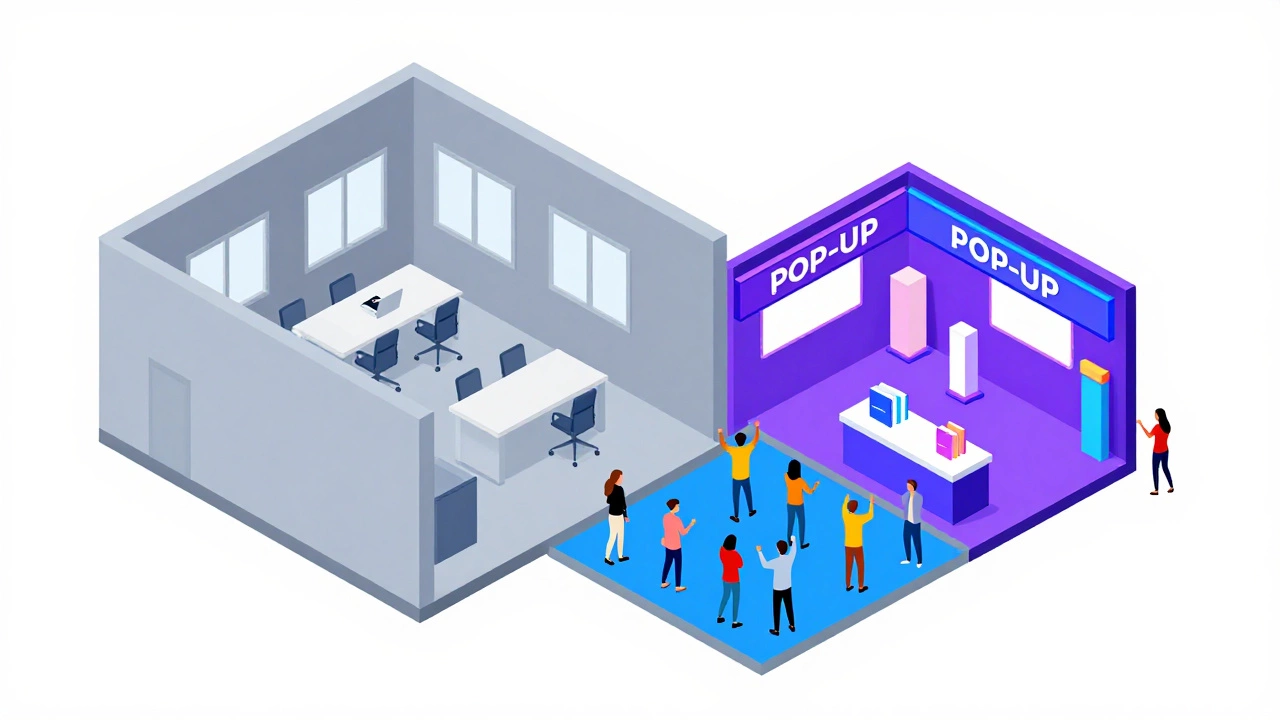
To understand where your property sits, you need to see the contrast between a stable tenant and a high-impact 'pop-up' tenant. The risk is higher with short-term deals-more wear and tear, more administrative effort for a tiny window of time-but the reward is much higher per hour.
| Feature | Standard Commercial Lease | Short-Term / Activation Lease |
|---|---|---|
| Duration | 3-5 Years | Hours to Weeks |
| Pricing Basis | Annual Rent /sqm | Daily Rate / Event Fee |
| Risk Profile | Low (Steady Income) | High (Tenant Turnover) |
| Revenue Potential | Predictable / Moderate | Volatile / Very High |
Calculating the 'Event Rate'
So, how do you actually put a dollar amount on a very short window of time? Start with your daily baseline. If your property earns $100 a day on a long-term lease, that's your floor. But because the tenant is getting the 'peak' value of your location without committing to a lease, you apply a multiplier. For a Pop-up Shop or a temporary installation, a multiplier of 5x to 10x is common in metropolitan hubs.
Here is a simple formula to use: (Daily Base Rent x Multiplier) + Setup/Takedown Fee = Event Total
Let's use a real scenario. You have a small kiosk space. Your base daily rent is $200. A brand wants it for a weekend (2 days) for a product launch. You apply a 5x multiplier because it's a high-traffic weekend. That's $1,000 per day. Add a $300 cleaning and electricity fee, and the total value for that tiny window is $2,300. Compared to the $400 you would have made on a standard lease, the 'value' of that short window is significantly higher.
The Role of Zoning and Permissions
You can't just let someone set up a booth and collect cash. The value of your space is tied to its legality. Zoning Laws determine what can actually happen in your space. If your property is zoned for retail, a quick product demo is fine. But if they want to do something like a cooking demonstration with open flames, you're entering the territory of temporary permits and fire safety inspections.
This is where a Commercial Lease Agreement differs from a 'License to Occupy.' For a 30-second or one-day event, you don't want a full lease; you want a license. A license is a simpler contract that grants permission to use the space without granting the tenant legal possession of the property. This protects you from the nightmare of a 'short-term' tenant who refuses to leave, which is a much bigger risk in some jurisdictions than others.
Hidden Costs That Eat Your Profit
When you price these short bursts of activity, don't forget the overhead. A long-term tenant handles their own utilities and often their own insurance. A short-term tenant usually expects a 'turnkey' experience. You are providing the lights, the AC, and the security. If you don't factor in the cost of a site manager to oversee the move-in and move-out, your high daily rate will vanish quickly.
Also, consider the 'gap' cost. If a short-term activation takes three days to set up and three days to tear down, but the event only lasts 30 seconds or one hour, you are losing a full week of potential income. Ensure your contract specifies that the 'rental period' includes the setup and breakdown time, not just the event time itself.
Maximizing Your Property's 'Micro-Value'
If you have a property with a high-visibility storefront but a large, empty interior, consider splitting your pricing. Sell the interior on a standard long-term lease to a stable business and sell the 'frontage' (the first 2 meters of the shop) as a short-term activation space. This allows you to collect a steady base rent while gambling on high-ticket, short-term bursts of income from brands wanting to capture foot traffic.
This strategy is increasingly popular in cities like New York and London, where the value of a 'window' can sometimes exceed the value of the warehouse behind it. By treating your storefront as a separate entity from your building, you unlock a new stream of revenue that traditional real estate models completely ignore.
Is a short-term license the same as a commercial lease?
No. A commercial lease grants a tenant exclusive possession of a space for a set period. A license to occupy is a permission to use the space for a specific purpose and time. For very short activations, a license is preferred because it is easier to terminate and doesn't grant the tenant the same legal rights as a leaseholder.
How do I handle insurance for a one-day event?
Never let a short-term tenant operate without a Certificate of Currency for public liability insurance. Ensure they name you as an additional insured party for the duration of their stay. This protects you if a customer is injured during their '30-second' or one-day activation.
Should I charge a security deposit for short-term use?
Yes. Even for a one-day event, a refundable security deposit is essential. Short-term activations often involve heavy equipment or temporary signage that can scratch floors or damage walls. A deposit ensures the space is returned in the same condition it was handed over.
What is a reasonable multiplier for short-term rent?
While it varies by city, a multiplier of 5x to 10x the daily base rent is standard for prime locations. If the location is a 'landmark' spot with extreme foot traffic, some landlords charge a flat 'event fee' that ignores the daily base rent entirely and focuses on the marketing value of the spot.
Can I use this model for residential properties?
This model is designed for commercial real estate. Residential properties are governed by different laws (like tenancy acts) that make ultra-short-term licenses more complex. Always check local council regulations before attempting to rent out residential space for commercial activations.
Next Steps for Property Owners
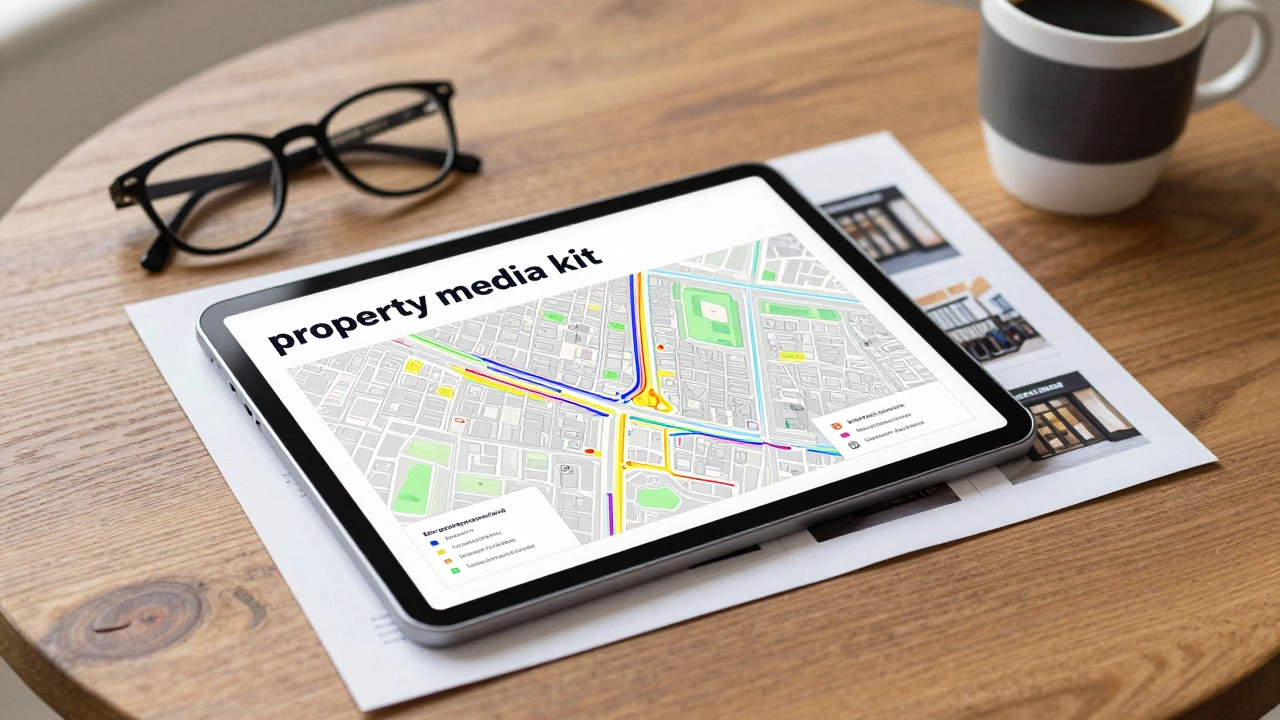
If you want to start monetizing your space for short-term activations, don't just post an ad on a generic site. Create a 'media kit' for your property. Include photos of the space, a map showing foot traffic patterns, and data on who walks past your door (demographics). When you treat your property like a marketing asset rather than just a building, you can justify the premium pricing that makes short-term leasing so profitable.