When you’re looking at homes for sale, two names pop up again and again: villa and duplex. They sound similar-both are standalone homes, both often come with yards-but they’re not the same. Choosing between them can affect your lifestyle, your budget, and even your long-term property value. So what’s the real difference? And which one actually makes sense for you?
Villas Are Private, Single-Owner Homes
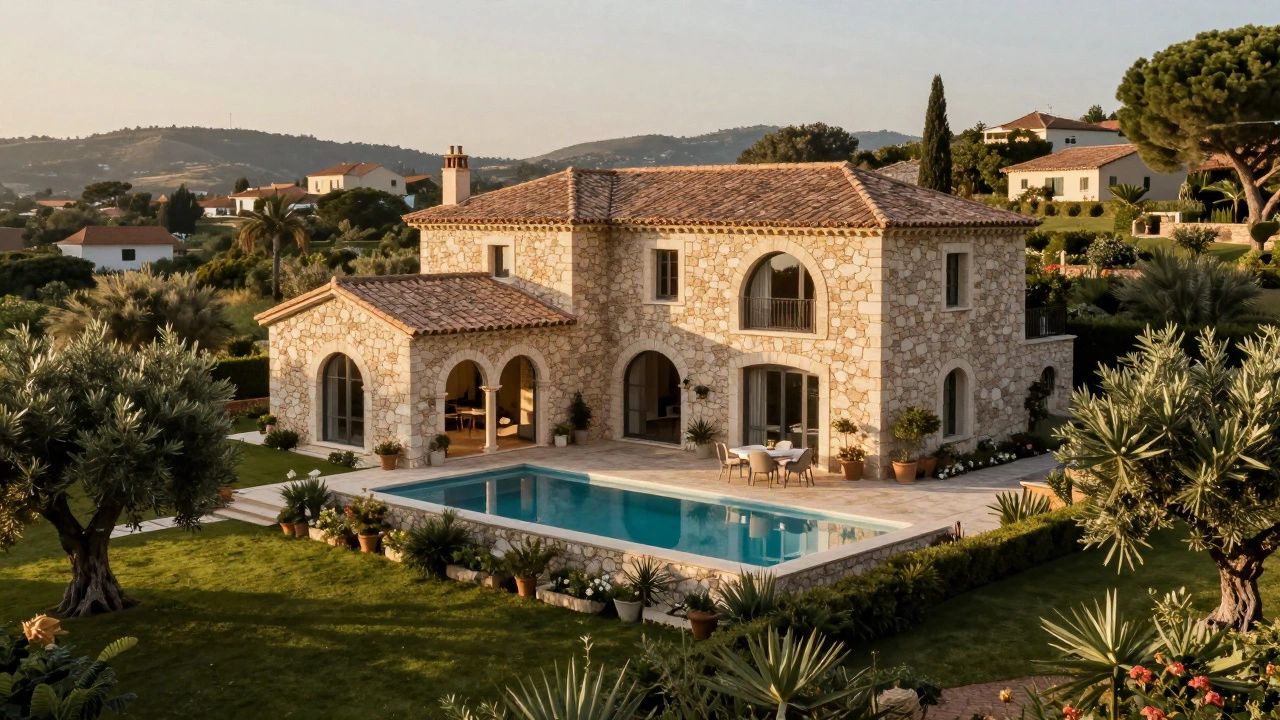
A villa is a standalone residential property built on its own plot of land. It’s not attached to another home, doesn’t share walls with neighbors, and usually comes with a private yard, driveway, and sometimes even a pool or garden. You own the entire building and the land beneath it. That means you’re responsible for everything: maintenance, landscaping, repairs, and upgrades. Villas are often larger than standard single-family homes. They typically have multiple bedrooms, high ceilings, open floor plans, and premium finishes. In many places, especially in Mediterranean, Latin American, or resort-style communities, villas include features like terraces, outdoor kitchens, or even guest cottages. They’re designed for comfort, space, and privacy. If you’re buying a villa, you’re not just buying a house-you’re buying a lifestyle. People who choose villas usually want room to spread out, no shared walls with neighbors, and control over their outdoor space. It’s common to find villas in gated communities or on larger lots in suburban or rural areas. In places like Florida, Spain, or Thailand, villas are popular with retirees and second-home buyers because they offer seclusion and luxury.Duplexes Are Two Units in One Building
A duplex is a single building divided into two separate living units. Each unit has its own entrance, kitchen, bathrooms, and living space. The units can be stacked (one on top of the other) or side-by-side. What makes a duplex different from a villa is that it’s designed to house two households under one roof. If you buy a duplex, you own the entire building-but you’re sharing the land and structure with another resident. That doesn’t mean you live next door to strangers. Many duplexes are owner-occupied, meaning you live in one unit and rent out the other. Others are sold as fully owner-occupied homes, where both units are used by one family (like grandparents in one side, parents and kids in the other). Duplexes are common in urban and suburban neighborhoods where land is limited. They’re often more affordable than villas because they’re smaller and built on shared lots. In cities like Chicago, Toronto, or Atlanta, duplexes are a smart entry point for first-time buyers who want to live in a low-maintenance home while earning rental income from the other side.Space and Layout: Size Matters
Villas typically range from 2,000 to 5,000 square feet or more. They often have three to five bedrooms, multiple bathrooms, formal dining areas, and sometimes home offices or media rooms. The layout is designed for one family to use the whole space without sharing. Duplexes, on the other hand, usually total between 1,800 and 3,200 square feet-but that space is split between two units. Each unit might be 900 to 1,600 square feet, with two to three bedrooms. You won’t find the same level of luxury finishes or expansive rooms as you would in a villa. The layout is practical, not extravagant. If you need space for a large family, a home gym, or entertaining guests regularly, a villa gives you that freedom. If you’re a couple, a small family, or someone who wants to rent out part of their home, a duplex offers enough room without the upkeep of a mansion.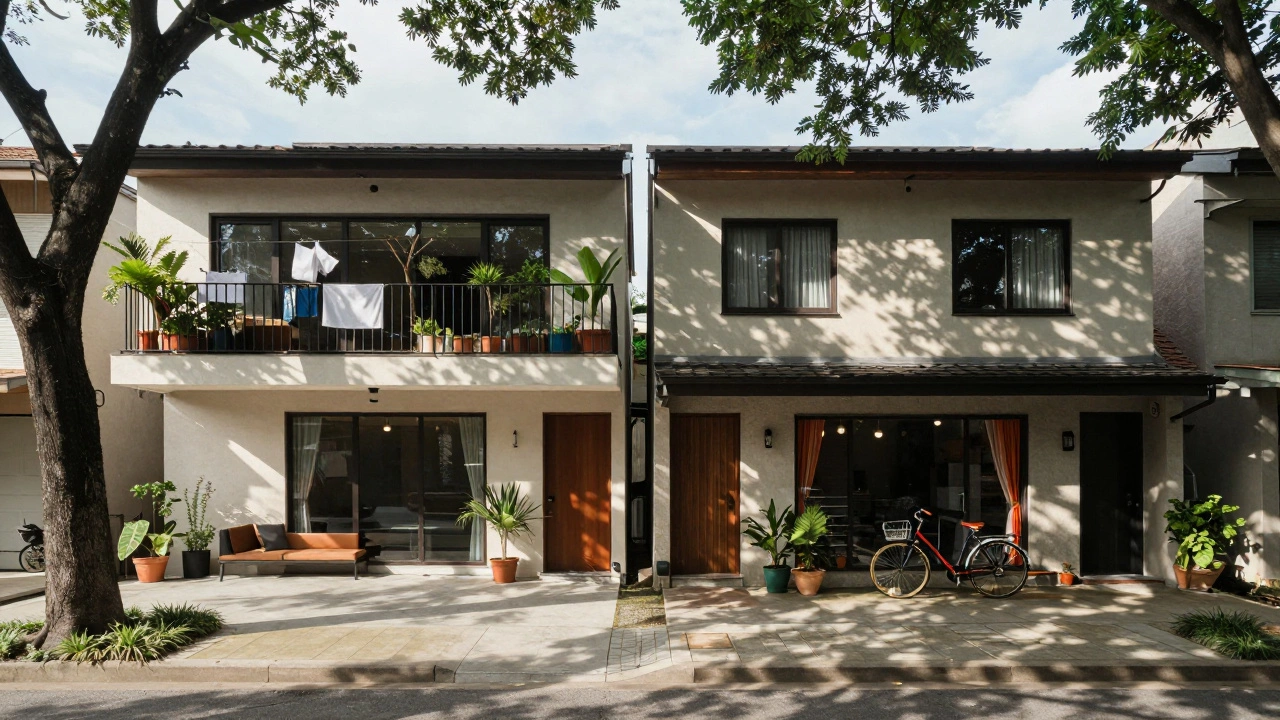
Ownership and Responsibility
Owning a villa means full control. You decide what color to paint the exterior, whether to install a fence, or if you want to add a patio. You handle all repairs yourself. There are no HOA rules (unless you’re in a gated community with strict guidelines), but you also don’t get any help. With a duplex, ownership is more complex. Even if you live in one unit and rent the other, you’re still responsible for the whole building. That means fixing the roof, maintaining the plumbing system, and handling tenant issues. You can’t just repaint your side-you have to consider the entire structure. Some duplexes are part of a homeowners association, especially if they’re in planned communities. Others are completely independent. Either way, you’re managing two households under one roof. That’s not a problem if you’re comfortable being a landlord. But if you want to just live in your home without dealing with maintenance calls or rent collection, a villa is simpler.Cost: Upfront and Long-Term
Villas usually cost more. In the U.S., a mid-range villa might run between $400,000 and $800,000, depending on location. In resort areas, prices can go well over $1 million. You’re paying for space, privacy, and land. Duplexes are more affordable. A well-maintained duplex in a good neighborhood might cost $250,000 to $500,000. The big advantage? You can offset your mortgage by renting out the other unit. In cities with strong rental demand, the rent from the second unit can cover your entire mortgage payment-or even give you extra cash flow. Long-term, villas tend to appreciate more in value, especially in desirable areas. But they also cost more to maintain. A new roof on a 4,000-square-foot villa could cost $15,000. On a duplex, it’s still $15,000-but you’re spreading that cost over two units. That makes duplexes more efficient for investors.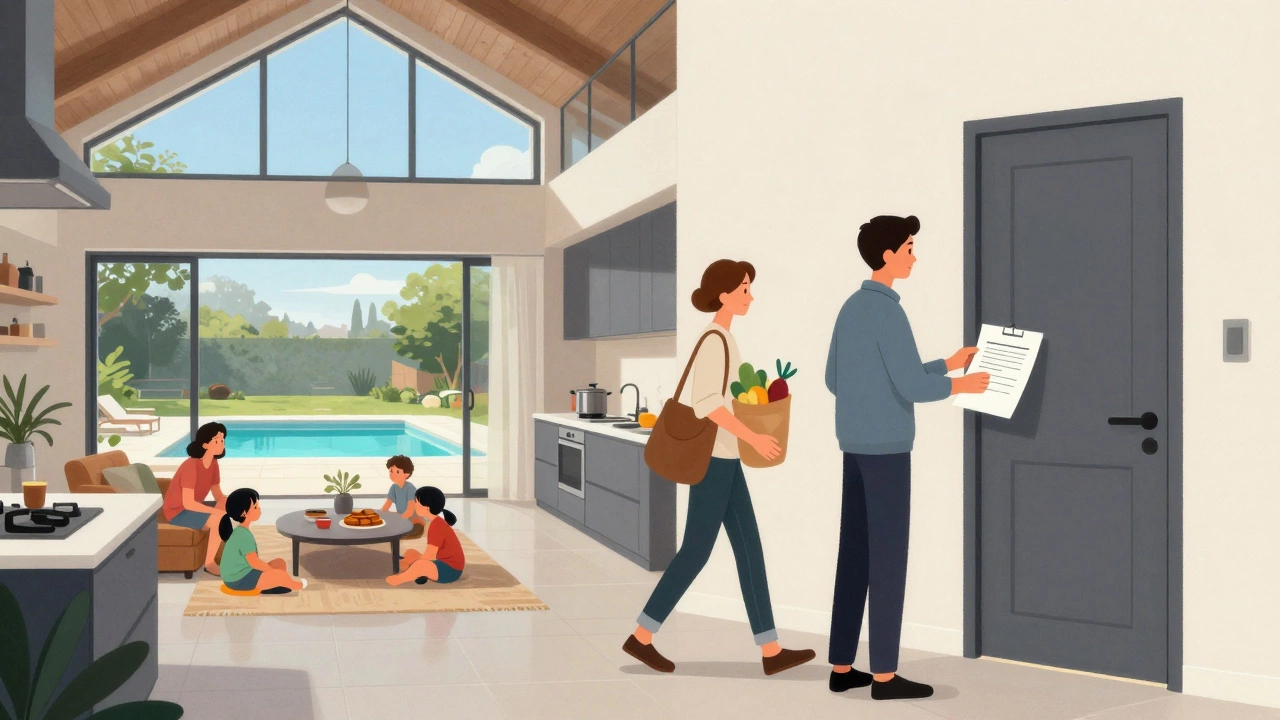
Privacy and Noise: What You Can’t Hear
One of the biggest complaints about duplexes? Noise. Even with good insulation, you’ll hear footsteps, TVs, or laundry machines from the other unit. If you’re a light sleeper, work from home, or have young kids, shared walls can be a dealbreaker. Villas eliminate that problem. No shared walls means total acoustic privacy. You can play music loudly, have late-night parties, or let the dog bark without worrying about complaints. That’s why families, remote workers, and people who value quiet often choose villas-even if they cost more.Which One Should You Buy?
Ask yourself these questions:- Do you want to live alone in your home, or are you okay sharing the building?
- Are you looking for a primary residence, or do you want to earn rental income?
- Do you need a big yard, a pool, or space for guests?
- Can you handle maintenance, or do you want something low-effort?
- Is your budget tight, or are you willing to pay more for privacy and space?
What’s the Trend in 2025?
In 2025, duplexes are seeing a revival. With housing shortages in major cities, cities like Austin, Denver, and Seattle are relaxing zoning laws to allow more duplexes and fourplexes. That means more supply-and more affordable options for buyers. Villas, meanwhile, are becoming more popular in secondary markets. Places like Georgia, North Carolina, and Arizona are seeing a boom in villa developments aimed at retirees and remote workers. These communities often include amenities like walking trails, clubhouses, and security, making them feel like resorts. The takeaway? Duplexes are a smart financial move. Villas are a lifestyle upgrade. Pick based on what you want your home to do for you-not just what it looks like.Is a duplex considered a single-family home?
No, a duplex is not a single-family home. A single-family home is designed for one household to occupy the entire building. A duplex has two separate living units, each with its own entrance and utilities. Even if you live in both units yourself, it’s still classified as a multi-family property by lenders and zoning laws.
Can you turn a villa into a duplex?
Technically yes, but it’s rarely practical. Converting a villa into a duplex would require major structural changes-adding a second kitchen, bathroom, and separate entrance. You’d need permits, and in most cases, local zoning laws won’t allow it unless the property is already in a multi-family zone. The cost often outweighs the benefit, especially since villas are built on large lots that are already valuable as standalone homes.
Do villas have HOA fees?
Not always. A standalone villa on its own lot usually doesn’t have an HOA. But if it’s part of a gated community, resort-style development, or planned neighborhood, there may be mandatory HOA fees. These fees typically cover shared amenities like pools, security, landscaping, or road maintenance. Always check the property disclosures before buying.
Are duplexes harder to finance than villas?
It depends. If you plan to live in one unit and rent the other, lenders treat it as an investment property, which can mean higher interest rates and larger down payments. But if you’re buying a duplex to live in both units, some lenders will classify it as a primary residence, which gives you better loan terms. Villas, as single-family homes, are easier to finance with standard mortgage programs.
Which holds value better over time: a villa or a duplex?
In most markets, villas appreciate faster because they offer more land, privacy, and luxury features. But duplexes have a stronger return on investment (ROI) because they generate rental income. In high-demand urban areas, a well-maintained duplex can outperform a villa in cash flow. Long-term, villas win on pure value growth; duplexes win on income potential.
If you’re still unsure, talk to a local real estate agent who knows your target neighborhood. They can show you recent sales of both villa and duplex properties and help you compare actual prices, rental potential, and maintenance costs. Don’t just go by pictures-look at the numbers.