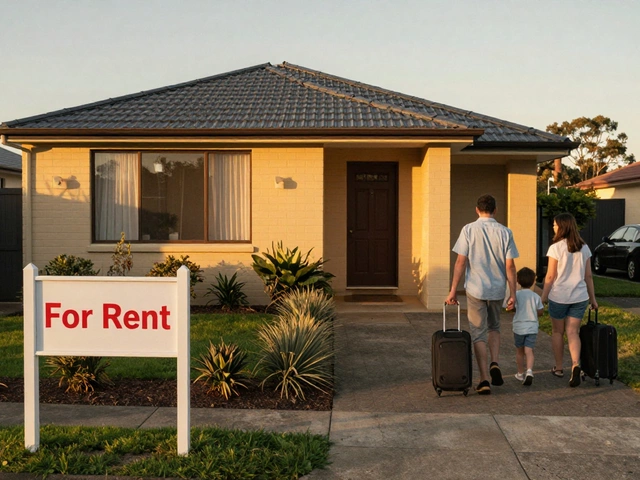
When someone moves into an empty house or abandoned building without permission, it’s called squatting, the act of occupying a property without legal title or lease. Also known as adverse possession, it’s not just trespassing—it’s a legal process that, under certain conditions, can turn a squatter into a property owner. This isn’t a loophole or a gray area—it’s written into property law in many places, including parts of the U.S. and India. The key isn’t how long someone stays, but what they do while they’re there: paying taxes, making repairs, treating the place like home, and not hiding from the owner.
Most people assume landlords can just kick out anyone who moves in without permission. But that’s not always true. If a property sits empty for months or years, and someone else starts living there, fixes the roof, pays the water bill, and acts like they own it, the original owner might lose their rights. This is called adverse possession, a legal doctrine that allows someone to claim ownership after continuous, open, and hostile use of land over time. It’s not about being bold—it’s about meeting strict legal criteria. In Virginia, for example, a squatter must occupy the property for 15 years without the owner objecting. In India, the rules are different—courts often side with the original owner unless the squatter can prove long-term, documented possession.
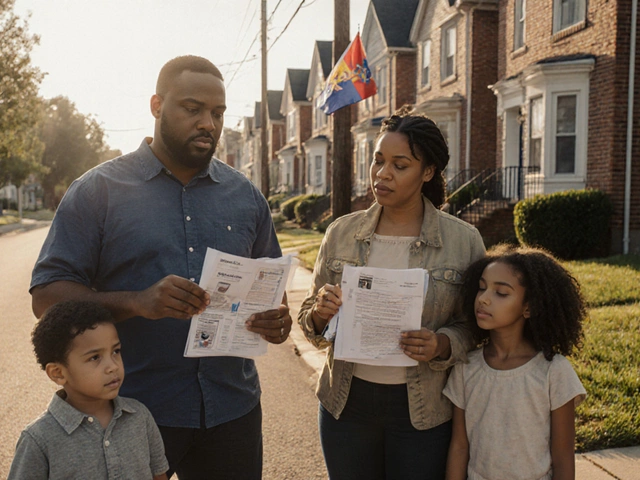
Landlords and property owners need to act fast. Ignoring a squatter doesn’t make them go away—it gives them legal ground. On the flip side, tenants facing eviction or living in poor conditions might not realize they have rights under tenant rights, the legal protections granted to people renting or occupying property under informal or formal agreements. Even if you don’t have a lease, if you’ve been paying rent or maintaining the property, courts sometimes recognize your presence as legitimate. And in cities with housing shortages, like those covered in posts about Virginia rent prices or NYC property registration, squatting becomes a survival tactic for some—making the legal lines even blurrier.
What you’ll find in the posts below isn’t just theory—it’s real cases, real rules, and real consequences. You’ll see how property registration affects ownership claims, how zoning laws can protect or punish occupants, and why some people end up owning homes they never bought. Whether you’re a landlord trying to protect your asset, a renter unsure of your rights, or just someone wondering what happens when a house sits empty, the answers here are practical, grounded, and specific to how the law actually works—not how people think it does.
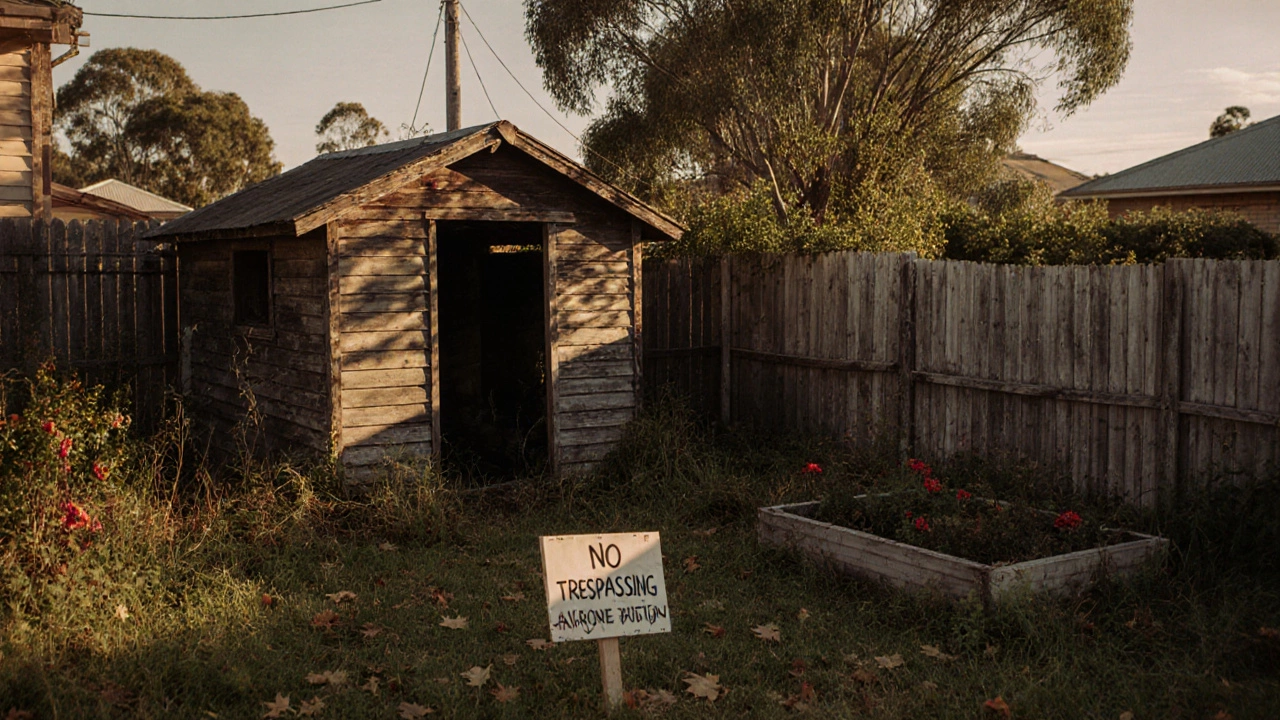
The 20-year rule in Australia allows someone to claim ownership of land they've used openly and continuously for two decades without permission. Learn how it works, who it affects, and how to protect your property.
 0
0