When you’re over 60 and living on a fixed income, a rising property tax bill can feel like a punch in the gut. Senior property tax relief, a set of programs designed to reduce or freeze property taxes for older homeowners. Also known as property tax exemptions for seniors, these programs exist in many states and countries to help elderly residents stay in their homes without being priced out. This isn’t just about saving a few hundred dollars—it’s about keeping a lifetime of memories intact.
These programs aren’t one-size-fits-all. Some offer full exemptions if your income is below a certain threshold. Others cap how much your taxes can increase each year. In places like Texas and Florida, seniors can freeze their assessed value, meaning even if your neighborhood’s property values spike, your tax bill won’t. In India, some states offer reduced stamp duty or property tax rebates for senior citizens, especially if the home is their primary residence. What’s common across all these programs? You usually need to be 60 or older, own and live in the home, and meet income limits. Some even require you to have lived there for 10+ years.
It’s not just about the tax break itself—it’s about what it connects to. If you’re applying for property tax exemption for seniors, a legal reduction in tax liability based on age and residency, you often need to prove your age with a birth certificate or ID. You’ll need to show proof of ownership through your property deed. And if income matters, you’ll need tax returns or pension statements. These aren’t just paperwork—they’re the keys to keeping your home. Many seniors don’t even know these programs exist, or they think the process is too complicated. But in reality, most applications take less than 30 minutes to complete online or at your local tax office.
There’s also a hidden link between senior property tax relief and housing stability. When older adults can afford to stay in their homes, they avoid the stress and cost of moving. That’s why some programs pair tax relief with home repair grants or utility discounts. It’s not just a tax break—it’s a lifeline. And if you’re helping a parent or relative, knowing where to start can make all the difference. Check with your county assessor’s office, local senior center, or housing authority. Don’t wait until the bill arrives. These programs often require applications by a deadline, sometimes months before the tax year starts.
Below, you’ll find real stories and practical guides from people who’ve navigated these systems—whether they’re in Virginia, New Mexico, or a small town in India. Some saved thousands. Others just kept their peace of mind. You don’t need to be a tax expert to qualify. You just need to know the options exist—and where to ask for help.
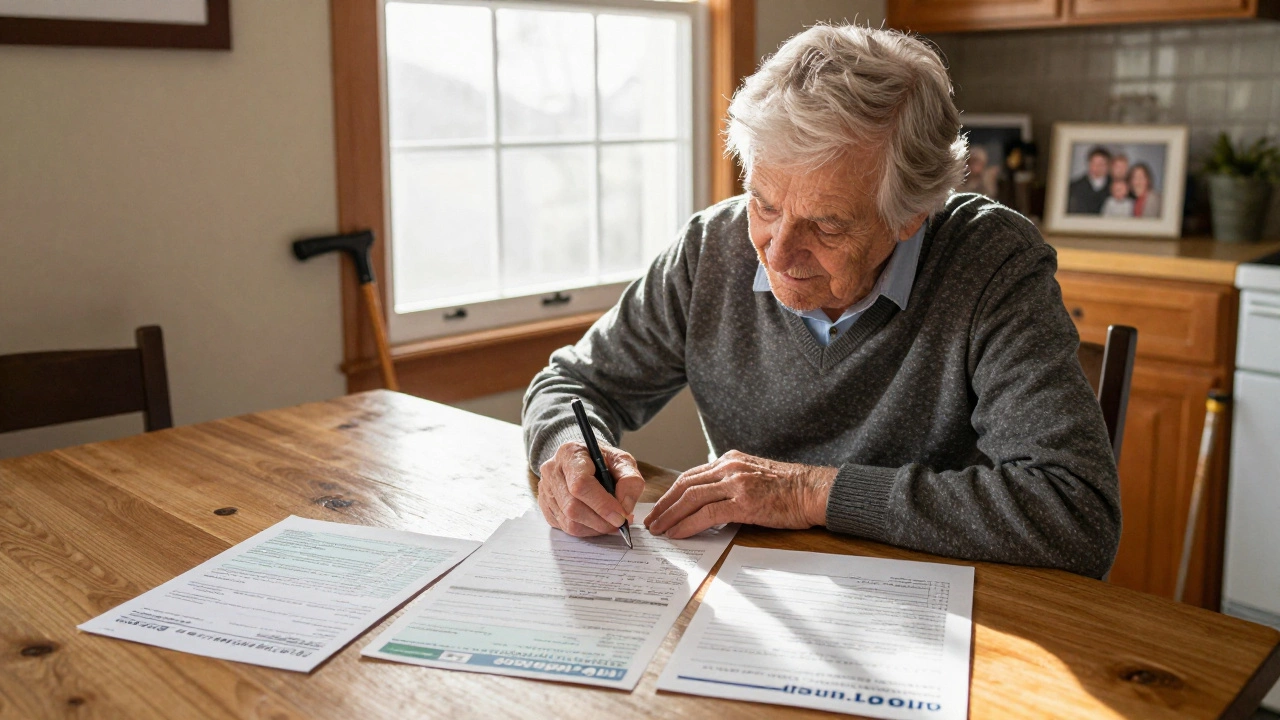
You never stop paying property taxes in Utah just because you're old, but seniors 66 and older can qualify for significant tax credits if they meet income and residency rules. Learn how to apply and avoid common mistakes.
 0
0