When you own property in India, you usually pay property tax, a local government charge based on your property’s value, location, and usage. But municipal tax isn’t always due—some owners qualify for property tax exemption, a legal reduction or full waiver of this tax. It’s not automatic. You have to meet specific conditions set by your city or state, and many people miss out because they don’t know they’re eligible.
Property tax exemption isn’t just for the poor. It applies to senior citizens, widows, veterans, people with disabilities, and even certain types of properties like religious buildings, government-owned land, or agricultural land in rural areas. In cities like Delhi, Bengaluru, or Mumbai, exemptions can reduce your tax bill by 20% to 100%, depending on your situation. For example, if you’re over 60 and own a small home, you might pay nothing. If your property is used for charitable work, you could be fully exempt. But here’s the catch: you have to apply. No one will tell you. You need to visit your local municipal office, fill out forms, and sometimes submit proof like age certificates, disability cards, or land use documents.
Many confuse property tax exemption with income tax deductions. They’re not the same. Property tax exemption cuts your local bill. Income tax deduction lowers your annual tax owed to the central government. You can get both, but they come from different rules. Also, don’t assume your property is exempt just because it’s old, rented out, or owned by a family member. Rules change by city. In Hyderabad, a widow might get 100% relief. In Pune, only properties under 500 sq ft qualify. And if you’re a first-time homeowner, some states offer temporary relief—but only if you apply within 90 days of buying.
There’s no national rule for property tax exemption in India. Every state, and even every municipality, has its own list of who qualifies. That’s why so many people overpay. They assume the rules are the same everywhere. They don’t check. They don’t ask. And by the time they realize, it’s too late to get a refund. The good news? You can fix this. You just need to know what to look for and where to go.
Below, you’ll find real examples of how people in India saved hundreds or even thousands of rupees each year by claiming property tax exemption. Some did it by proving they were elderly. Others by showing their land was used for farming. A few even got relief because their property was damaged in a flood. These aren’t rare cases. They’re common—if you know the steps.
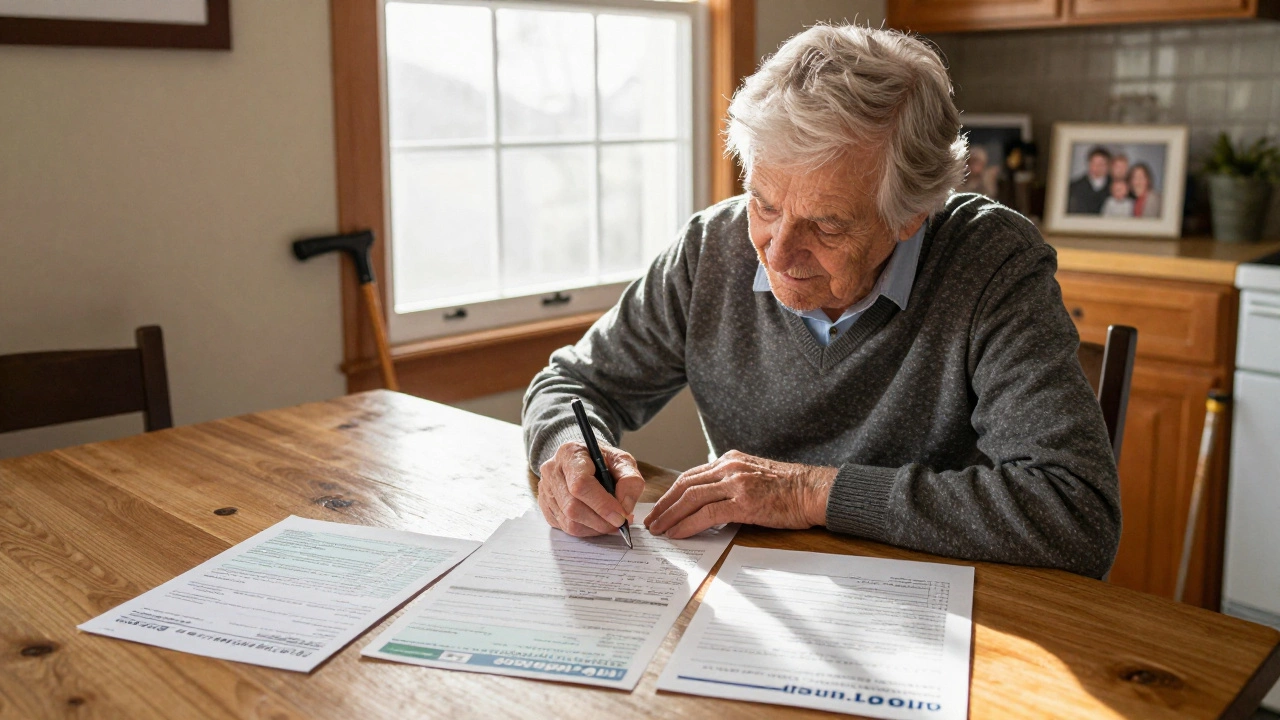
You never stop paying property taxes in Utah just because you're old, but seniors 66 and older can qualify for significant tax credits if they meet income and residency rules. Learn how to apply and avoid common mistakes.
 0
0