When we talk about the housing shortage in Virginia, a critical imbalance between available homes and the number of people needing them. Also known as affordable housing crisis, it’s not just about empty houses—it’s about families sleeping in cars, workers commuting hours just to afford rent, and young people leaving the state because they can’t find a place to live. This isn’t a temporary spike. It’s a years-long trend fueled by population growth, stagnant construction, and rising costs that outpace wages.
Virginia’s urban centers—like Northern Virginia, Richmond, and Norfolk—are feeling the pinch hardest. Between 2020 and 2024, the state added over 400,000 new residents but only built enough homes to cover about half that number. Meanwhile, rental prices jumped nearly 40% in some counties. A rental shortage, when demand for apartments and houses far exceeds supply means people are forced into overcrowded spaces, extended commutes, or even homelessness. And it’s not just low-income families. Even teachers, nurses, and firefighters are struggling to find affordable housing near their jobs.
What’s behind this? Zoning laws that ban apartments near transit hubs, slow permit approvals, and builders focusing on luxury units instead of middle-income homes. Meanwhile, affordable housing Virginia, housing units priced for households earning 80% or less of the area median income has seen little new investment. The state’s own housing authority admits it’s billions short of what’s needed. Even with federal aid, local governments lack the tools to move fast enough.
But it’s not all bleak. Cities like Arlington and Alexandria are testing new models—tiny home communities, accessory dwelling units (ADUs), and public land partnerships. Some counties are relaxing height limits and allowing duplexes in single-family zones. These aren’t magic fixes, but they’re steps in the right direction. The housing shortage in Virginia won’t disappear overnight, but change is possible if the right policies take hold.
Below, you’ll find real stories and practical guides from people dealing with this crisis every day—from how to apply for emergency housing vouchers in Virginia, to understanding rental license rules for landlords, to figuring out what’s truly affordable in today’s market. These aren’t abstract reports. They’re tools you can use now.
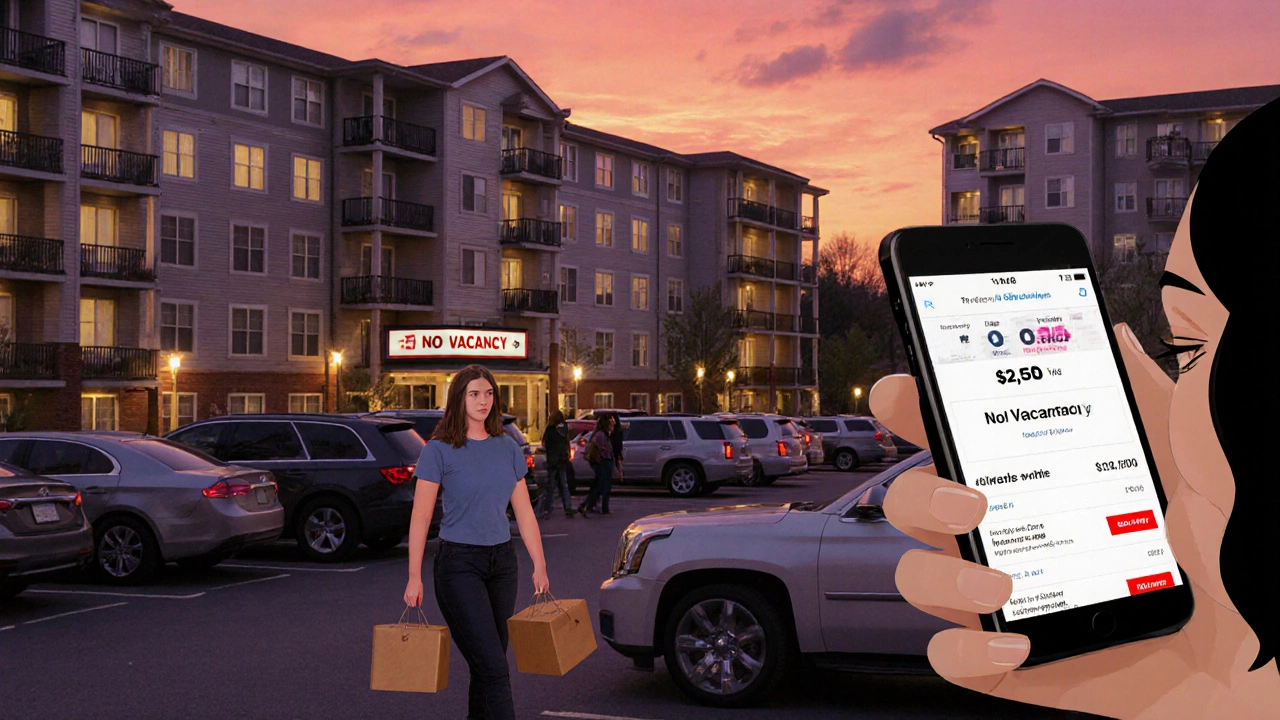
Rent in Virginia has surged due to population growth, corporate landlords, zoning laws, and stagnant wages. Here’s why prices keep climbing and who’s really affected.
 0
0