When you hear cheap land for sale, land priced well below market average, often in remote or undeveloped areas, you might picture a quiet spot to build your dream home. But most people who jump in without research end up stuck with unusable land—no water, no road access, or hidden legal traps. rural property, land outside city limits, often with fewer regulations but more risks is where most of these deals show up. And while it’s tempting to chase low prices, the real cost isn’t the sticker—it’s what comes after.
land zoning, local rules that dictate how you can use the land—whether for building, farming, or leaving it empty is the first thing you must check. A plot might be dirt cheap because it’s zoned for agricultural use only, meaning you can’t build a house without a costly variance. Same goes for land investment, buying land not to live on but to sell later for profit. Many investors lose money because they assume value will rise on its own. It won’t. Value comes from access, utilities, and demand. If the nearest power line is a mile away, or the county won’t allow septic systems, you’re paying for a paper promise, not real estate.
Most cheap land listings come from estate sales, tax forfeitures, or owners who just want out. You’ll find them on county tax sale websites, local real estate boards, or through word of mouth in small towns. But don’t trust what’s written in the ad. Go there. Walk the property. Talk to neighbors. Ask about flooding, noise, or past disputes. Check with the county recorder’s office for easements, liens, or environmental restrictions. A $5,000 plot that needs $30,000 in infrastructure isn’t a deal—it’s a trap.
There are real opportunities in cheap land for sale, but they’re not in the flashy listings. They’re in the quiet corners where people know the rules, the history, and the real cost of ownership. If you’re serious, treat it like a job—not a gamble. Do the homework. Know the rules. And never buy sight unseen. The land below might be cheap, but the mistakes you make buying it won’t be.
Below, you’ll find real posts from people who’ve been there—whether they bought land in rural India, avoided a scam, or figured out how to get utilities on a remote plot. These aren’t theory pieces. They’re lived experiences. And they might save you thousands.
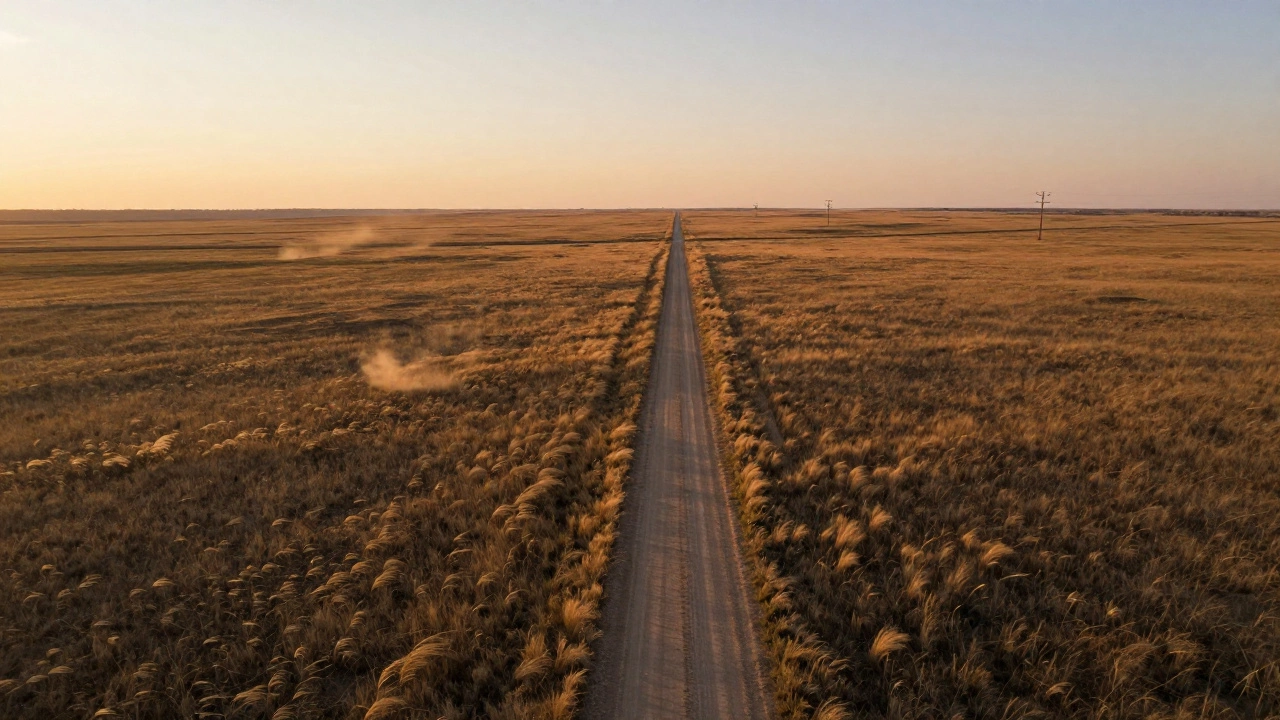
Discover where you can buy an acre of land for under $1,000 in 2025-from remote U.S. prairies to rural Moldova. Learn the hidden costs, legal risks, and best strategies for turning cheap land into a smart long-term investment.
 0
0
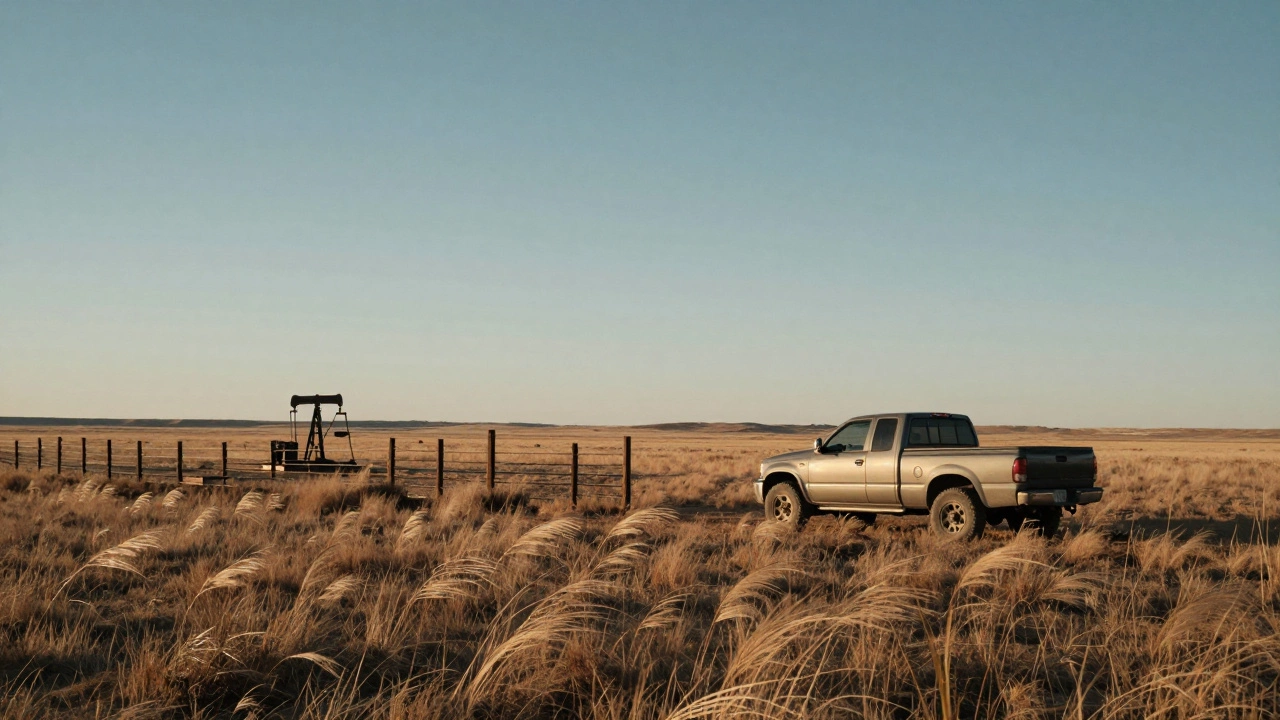
Find out where you can buy the cheapest farmland in 2025, including hidden bargains in New Mexico, Mississippi, North Dakota, and Texas-along with what to check before you buy.
0