Adelaide Cost of Living & Rent Affordability Calculator
Your Details
Financial Snapshot
| Metric | Value | Status |
|---|
Imagine receiving your pay slip and seeing the number $30,000. In some parts of the world, that might feel like a modest but stable income. But here in Adelaide, South Australia, in mid-2026, that figure triggers a very different conversation. It’s not just about survival; it’s about whether you are technically classified as living in poverty by official standards.
The short answer is yes. By most economic measures used in Australia today, earning $30,000 a year as a single person places you firmly below the poverty line. However, the reality on the ground is more complex than a simple binary label. It involves navigating the gap between what the government says you need to survive and what it actually costs to live with dignity in a city where rents have surged and wages haven’t kept pace.
Defining Poverty: What Do the Numbers Actually Say?
To understand if $30k constitutes poverty, we first need to look at how Australian authorities define it. The Commonwealth Scientific and Industrial Research Organisation (CSIRO) calculates the Habitat Minimum Income Standard (HMIS). This isn't just about buying food; it covers the minimum income needed to participate fully in society.
As of 2025 data, which remains the baseline for 2026 projections, the HMIS for a single person in Adelaide sits around $1,450 per week before tax. That translates to roughly $75,400 annually. Even if we look at the more conservative Supplementary Measure of Material Deprivation from the Australian Bureau of Statistics (ABS), the threshold is typically set at 50% to 60% of the median household income. With the median full-time weekly earnings hovering near $1,800, 50% of that is still significantly higher than what a $30k earner takes home.
A $30,000 annual salary breaks down to approximately $2,300 per month after tax. When you spread that out weekly, you’re looking at roughly $530 in your pocket every seven days. Compare that to the HMIS recommendation of nearly $1,500, and the gap is stark. You are earning less than half of what experts say is required to avoid material hardship.
The Rent Reality Check in Adelaide
If there is one expense that dictates whether you are struggling or surviving, it is rent. Adelaide has seen a dramatic shift in its rental market over the last two years. The vacancy rate dropped to historic lows, pushing prices up. For a single person earning $30k, finding accommodation that doesn’t consume your entire paycheck is the biggest hurdle.
| Housing Type | Average Weekly Rent (2026) | % of Weekly Take-Home ($530) | Status |
|---|---|---|---|
| Studio Apartment (CBD) | $450 - $550 | 85% - 104% | Crisis Level |
| 1-Bedroom Unit (Suburb) | $380 - $450 | 72% - 85% | Severely Stressed |
| Shared House (Room) | $220 - $280 | 42% - 53% | Manageable |
| Public Housing Waitlist | $0 (Wait time 3-5 years) | N/A | Long-term Solution |
The financial rule of thumb suggests spending no more than 30% of your income on housing. At $30k, that means your rent should be under $160 a week. In Adelaide, you simply cannot find legal, safe private rental property for that price unless you are sharing a house. If you live alone, you will likely spend 70% or more of your income on rent. This leaves almost nothing for utilities, groceries, transport, or unexpected emergencies.
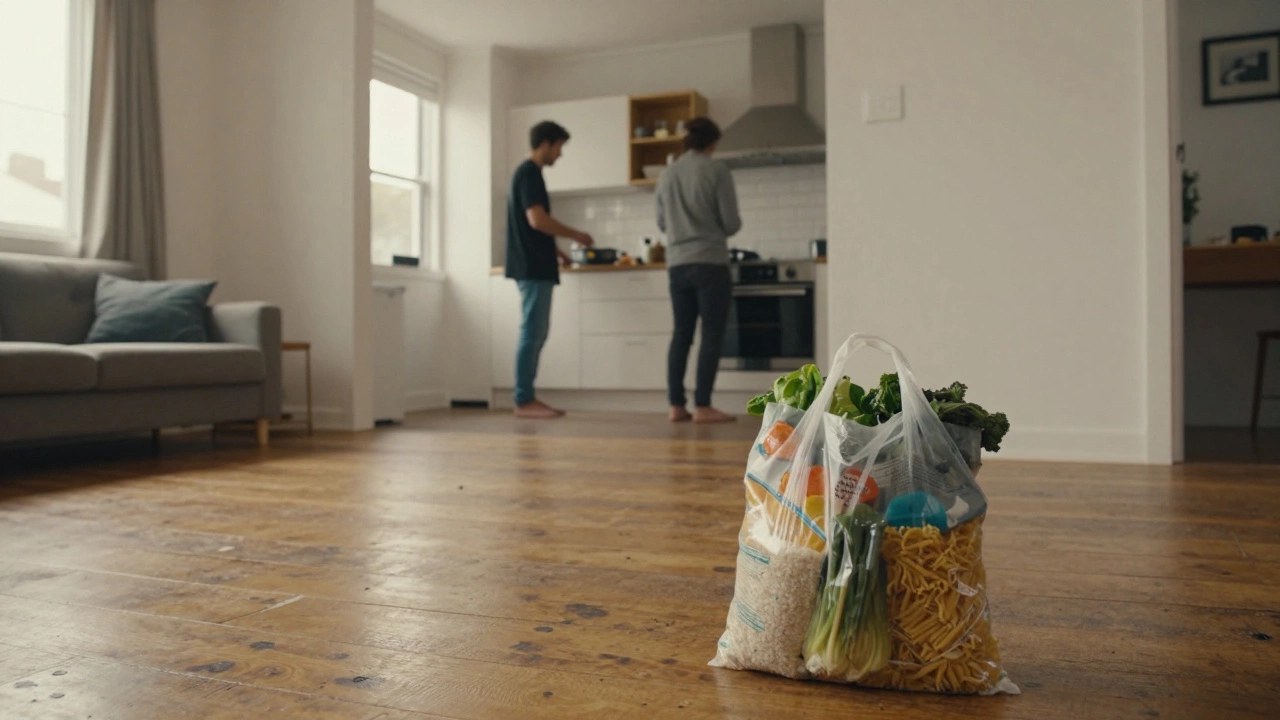
Budgeting on 0 a Week: A Practical Scenario
Let’s walk through a typical week for someone earning this amount. This isn't theoretical; it’s the daily math thousands of Adelaide residents face.
- Rent: Let’s assume you found a shared room for $250/week. Remaining: $280.
- Utilities & Internet: Split bills for electricity, water, and internet. Estimate $40/week. Remaining: $240.
- Groceries: Cooking at home is essential. A realistic budget for fresh produce, staples, and hygiene products is $80/week. Remaining: $160.
- Transport: Public transport (Metro Card) or fuel. Average $30/week. Remaining: $130.
- Phone Plan: Basic mobile plan. $20/week equivalent. Remaining: $110.
- Medical/Pharmacy: Even with Medicare, prescriptions and dental care cost money. Set aside $20/week. Remaining: $90.
- Social/Fun: Coffee with friends, cinema, or a cheap meal out. $30/week. Remaining: $60.
- Savings/Emergency Fund: $60/week.
This budget assumes zero debt repayments, no clothing purchases, no gifts, and no major life events. If your car breaks down, or you need new work boots, you dip into savings immediately. There is no buffer. One unexpected bill can push you into debt.
Government Support: Safety Nets and Gaps
Many people earning around $30k are working part-time or casual jobs. They may also be eligible for certain government concessions, but they often miss out on direct welfare payments because their income exceeds the strict thresholds for benefits like the JobSeeker Payment.
In 2026, the maximum single JobSeeker payment is approximately $770 per fortnight. If you are working and earning $30k, you are earning more than this base rate, so you don’t qualify. However, you might access:
- Health Care Cards: Depending on your exact circumstances and assets, you might qualify for a state-based concession card, reducing prescription costs.
- Tax Refunds: The Low and Middle Income Tax Offset (LMITO) was phased out, but the tax-free threshold of $18,200 means you pay zero tax on the first portion of your income. Your effective tax rate is low, but not low enough to bridge the poverty gap.
- Rental Assistance: Commonwealth Rent Assistance (CRA) is only available if you receive a qualifying pension or allowance. Working individuals generally do not get CRA, even if they are paying high rents relative to income.
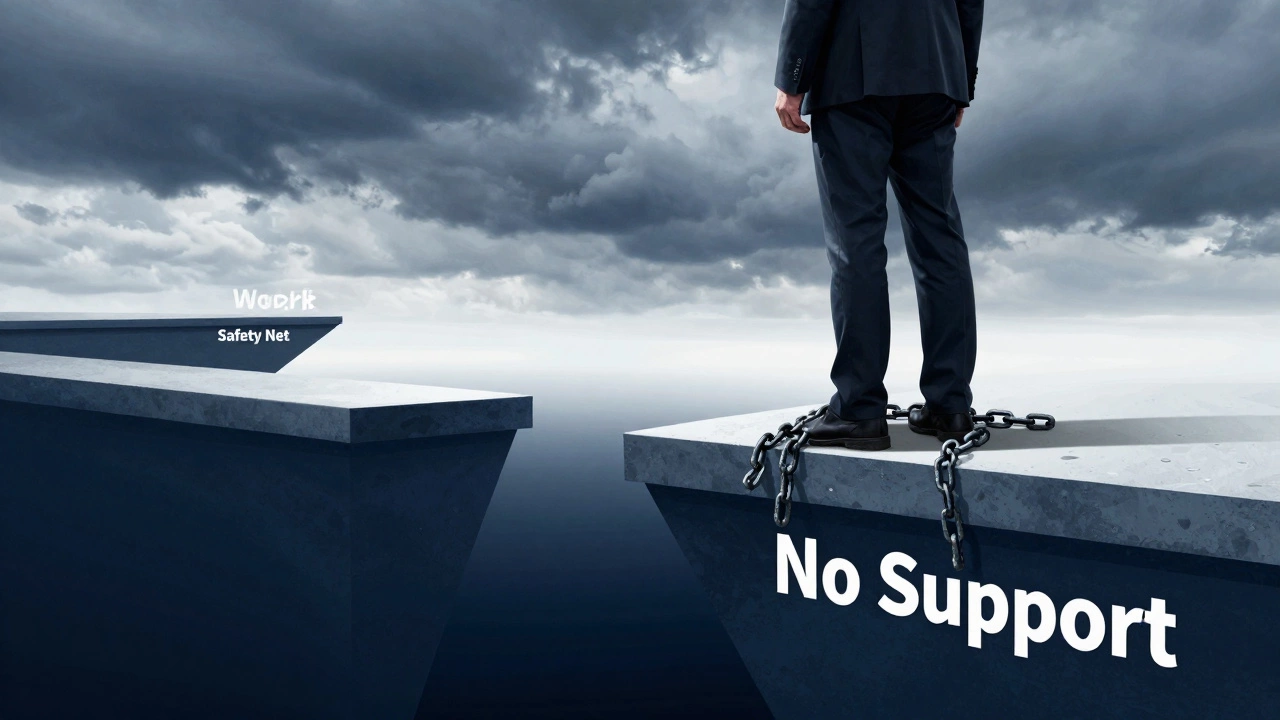
This creates a "benefits cliff." You work hard to earn $30k, but you lose access to subsidies that would help you afford housing and healthcare. It’s a structural trap that keeps many low-income earners stuck.
Strategies for Survival and Stability
If you are in this position, or know someone who is, here are practical steps to manage the pressure. These aren't magic fixes, but they can reduce stress.
- Share Everything Possible: Co-living is the single most effective way to stretch a $30k budget. Sharing a house reduces rent and utility costs drastically. Look for reputable co-living spaces or share with trusted friends.
- Maximize Public Transport: Cars are expensive. Insurance, registration, fuel, and maintenance can eat $100+ a week. Adelaide’s metro system is expanding. Use the Metro Card for discounted fares.
- Shop Smart: Avoid convenience stores. Buy from wholesale clubs (like Costco or Kmart’s bulk sections) when possible. Plan meals around sales. Food waste is a luxury you can’t afford.
- Check Eligibility for Concessions: Visit Service Australia or the SA Department for Child Protection, Families and Young People to see if you qualify for any state-specific support cards.
- Upskill for Higher Pay: $30k is often an entry-level wage. Look for apprenticeships or training programs subsidized by the government that lead to higher-paying trades or roles. The goal is to move from survival mode to stability.
Conclusion: Is It Poverty?
Yes, earning $30,000 a year as a single person in Adelaide in 2026 is considered poverty by economic standards. It restricts your choices, limits your ability to save, and makes you vulnerable to any financial shock. While you can survive with careful budgeting and shared living, you cannot thrive. The gap between income and the true cost of living, especially housing, is too wide to bridge without external support or significant lifestyle compromises.
What is the poverty line for a single person in Australia in 2026?
The poverty line varies by definition. Using the CSIRO Habitat Minimum Income Standard, it is approximately $75,400 per year ($1,450/week). Using the ABS measure of 50% of median income, it is roughly $46,800 per year. Both figures are significantly higher than $30,000.
Can I afford to live alone on $30k in Adelaide?
It is extremely difficult. Private rental properties for a single bedroom unit average $380-$450 per week. On a take-home pay of $530/week, this leaves only $80-$150 for all other expenses, which is unsustainable. Sharing accommodation is usually necessary.
Do I get rent assistance if I earn $30,000?
Generally, no. Commonwealth Rent Assistance is tied to specific welfare payments like JobSeeker or Age Pension. Since a $30k earner does not qualify for these base payments, they typically do not receive rent assistance, despite having high housing costs relative to income.
How much tax do I pay on $30,000 in Australia?
In the 2025-2026 financial year, the tax-free threshold is $18,200. You pay 19% tax on the remaining $11,800. Your total tax liability is approximately $2,242, plus the 2% Medicare levy ($600). Total deductions are around $2,842, leaving a net income of roughly $27,158 per year.
Is $30k considered a low income in South Australia?
Yes. The median individual income in South Australia is significantly higher, often exceeding $50,000. Earning $30k places you in the lower quartile of earners, meaning you earn less than 75% of the workforce.