
Virginia Rental Rights & Deadline Calculator
Calculate Your Deadlines
Enter your move-out or lease end date to calculate important deadlines.
Key Virginia Law Timelines
Timeline Results
Enter your move-out date above to see your personalized timeline
Calculations are based on Virginia state law guidelines
Additional Quick Facts
- Entry Notice: Landlords typically need 24 hours notice before entering
- Rent Withholding: Only allowed under specific conditions - consult attorney
- Self-Help Evictions: Locking out or shutting utilities is illegal
- Municipal Codes: Local city ordinances may add additional protections
When to Seek Help
- Facing eviction without proper notice
- Landlord refuses to make critical repairs
- Deposit was wrongfully withheld
- You're unsure about your rights under current law
You might have stumbled upon the number 55 222 while reviewing documents for a rental property, or perhaps a friend mentioned it in passing. The short answer is that there is no currently active Virginia state statute simply labeled "55 222" for residential rentals. This confusion often stems from outdated legal citations or a misunderstanding of how Virginia codes are structured. Understanding the actual framework behind these numbers protects your rights as a tenant or obligations as a landlord.
When discussing housing law, we primarily rely on the Virginia Residential Landlord and Tenant Act (VRLTA). The act, codified under sections starting at 55.1-1200, is the cornerstone of modern rental relations in the Commonwealth. While older forms of the Virginia Code used different numbering systems, the legislative body updated statutes significantly in 1998 to consolidate residential housing regulations. Many older references floating online do not reflect the current reality.
Decoding the Confusion Around Legal Numbers
Why does someone ask about 55 222 specifically? In the past, before the comprehensive overhaul of property laws, Virginia statutes were numbered differently. You might find old forms referencing sections like 55-22 or variations thereof, which dealt broadly with landlord duties. However, for anyone signing a lease agreement in 2026, relying on those old numbers creates risk. The law is dynamic, and citations change to improve clarity.
If you see a code printed on a document, it is vital to cross-reference it with the official General Assembly website. Sometimes, local cities like Richmond, Arlington, or Fairfax have their own municipal ordinances. For instance, a local housing authority might issue permits using internal tracking numbers that mimic state law formats. Always distinguish between state law, county ordinance, and city policy. Misinterpreting a city-specific rule as state law could lead to incorrect expectations during disputes.
The Core Framework: Virginia Residential Landlord and Tenant Act
Instead of chasing a potentially obsolete number, focus on the VRLTA. This legislation dictates almost every aspect of renting in Virginia, from how deposits are handled to the notice required for eviction. Knowing the basics empowers you when negotiating or reading your contract.
- Written Leases: While month-to-month tenancies can be oral, written contracts prevent ambiguity. They outline terms that override default state provisions.
- Security Deposits: These funds must be held separately and returned within a specific timeframe after move-out, barring damages.
- Entry Rights: Landlords cannot enter your home without proper notice except during emergencies.
- Repair Responsibilities: Tenants must maintain habitability, and landlords must fix structural issues promptly.
| Topic | Typical Requirement | Common Pitfall |
|---|---|---|
| Security Deposit | Returned within 45 days | Landlord misses deadline intentionally |
| Maintenance | Habitability standards met | Tenant withholding rent improperly |
| Termination | 30-day notice usually required | Verbal notice ignored later |
| Inspection | Prior written notice needed | Lack of proof of delivery |
Navigating Lease Terminology and Clauses
When you sign a lease, the document itself is a binding contract. Terms like "early termination" or "subletting" appear frequently. If you encounter a clause that seems to contradict state law, remember that the Virginia rent code usually overrides conflicting contract terms. For example, a lease cannot legally waive your right to receive your security deposit back within the mandated period.
Confusion often arises because brokers or management companies use proprietary software to generate leases. They might reference internal policy numbers. If a dispute reaches mediation or court, the judge looks at the Virginia Code Library. Having a copy of the actual statute helps you articulate your position better than vague references.

Understanding Security Deposit Rules
This is arguably the area where questions about "codes" arise most often. Tenants want to know exactly how long a landlord has to return their money. The law specifies forty-five days from the date the tenancy ends. During this time, the landlord must either return the full amount or provide an itemized statement of deductions.
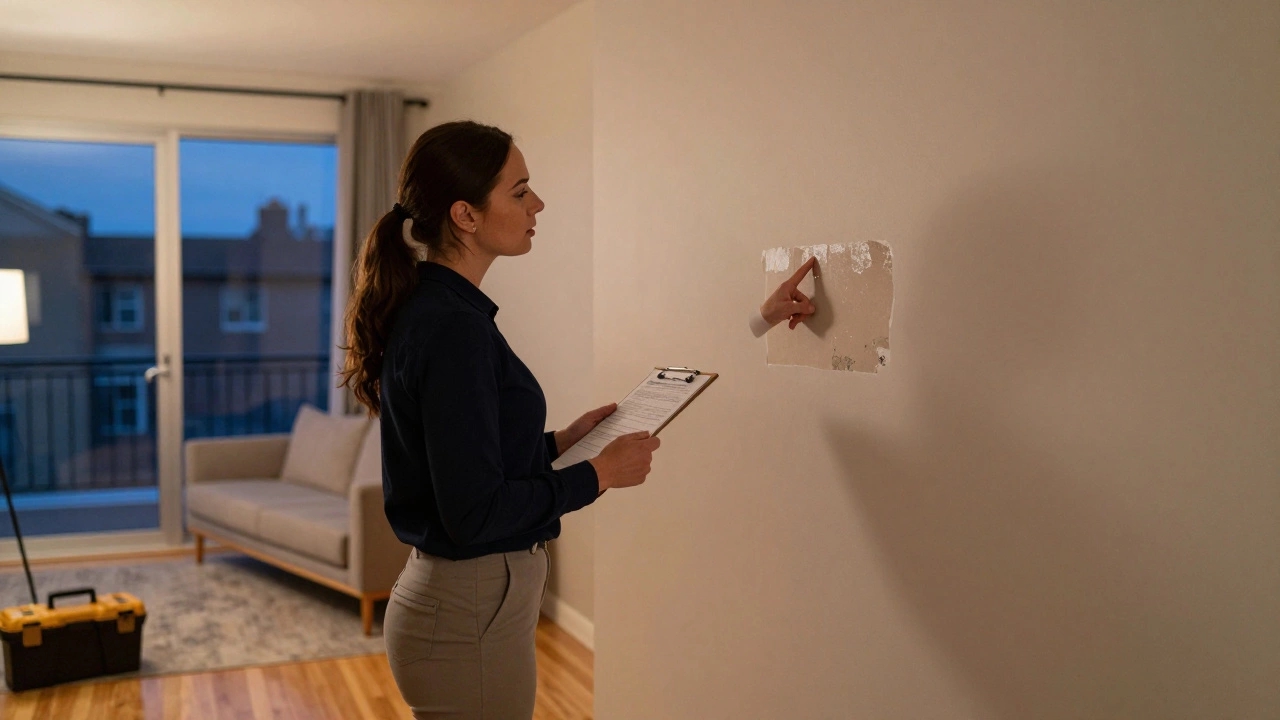
If a landlord fails to do this, they may face penalties. However, proving that failure requires documentation. Keep copies of all communication, bank transfer records, and the condition report filled out at move-in. Without evidence, a dispute becomes a he-said-she-said scenario that courts dislike.
When to Contact Local Authorities
Sometimes, the issue isn't state law but local enforcement. Cities have their own housing inspectors. If you have health hazards like mold or pests, calling the local building department is often faster than suing. They inspect based on local housing codes which align with state standards but can vary slightly.
In urban areas, rent control discussions occasionally surface. While Virginia state law precludes most rent control measures, knowing your rights against unfair price gouging during renewal periods is useful. Documenting the history of your rent helps establish norms if a sudden spike occurs without justification.
Resolving Disputes Without Court
Filing a lawsuit is expensive and time-consuming. Mediation services exist in many counties to resolve landlord-tenant conflicts cheaply. This is often the first step recommended by legal aid groups. Prepare all your correspondence beforehand. Judges and mediators appreciate organized files showing dates, names, and specific grievances.
If you are dealing with an eviction, the process must follow strict procedural steps. A summons issued by a justice court is mandatory. Self-help evictions, like changing locks or shutting off utilities, are illegal regardless of what the lease says. Recognizing an illegal lockout quickly allows you to seek immediate injunctive relief.
Practical Steps for Renters in 2026
To protect yourself effectively, follow a proactive checklist. First, read your entire lease before signing. Do not assume verbal promises hold water if they aren't written down. Second, document the unit's condition with timestamped photos upon arrival. Third, communicate maintenance requests via email or certified mail so there is a paper trail.
Finally, keep an eye on legislative updates. Housing laws do get amended. In recent years, tenant protections have expanded regarding fees and background checks. Staying informed ensures you don't pay for services you aren't legally obligated to cover, such as certain administrative processing fees.
Is there really no code called 55 222?
There is no active statewide statute labeled "55-222" for residential rentals today. It is likely a reference to an obsolete citation or a specific local municipality order.
Where do I find the current Virginia rental laws?
The official source is the Virginia Legislative Information System. Search for the Virginia Residential Landlord and Tenant Act under Title 55.1.
How long does a landlord have to return my deposit?
In Virginia, landlords must return security deposits within 45 days of the tenancy ending. Failure to do so can result in penalties.
Can a lease override state law?
No. Any lease provision that violates the Virginia Residential Landlord and Tenant Act is void and unenforceable.
What if my landlord tries to evict me without notice?
Landlords must provide proper notice. Self-help evictions like lockouts are illegal. You should contact a legal aid organization immediately.