Commercial Property Matchmaker
Answer three simple questions to find out which commercial property sector aligns best with your investment goals.
You’ve got the capital. You’re ready to buy. But standing in front of a gleaming CBD tower, a suburban strip shop, or a dusty warehouse on the outskirts, you might feel stuck. Which one actually makes money? The truth is, there’s no single "best" commercial property. It depends entirely on your risk tolerance, your cash flow needs, and how much work you want to do.
Think of it like choosing a vehicle. A sports car looks great but costs a fortune to maintain. A bus moves lots of people reliably but isn’t exactly exciting. Commercial real estate works the same way. Each asset class has its own engine, fuel consumption, and maintenance schedule. Let’s break down the main players so you can pick the right ride for your portfolio.
Office Space: The Prestige Play with Hidden Headaches
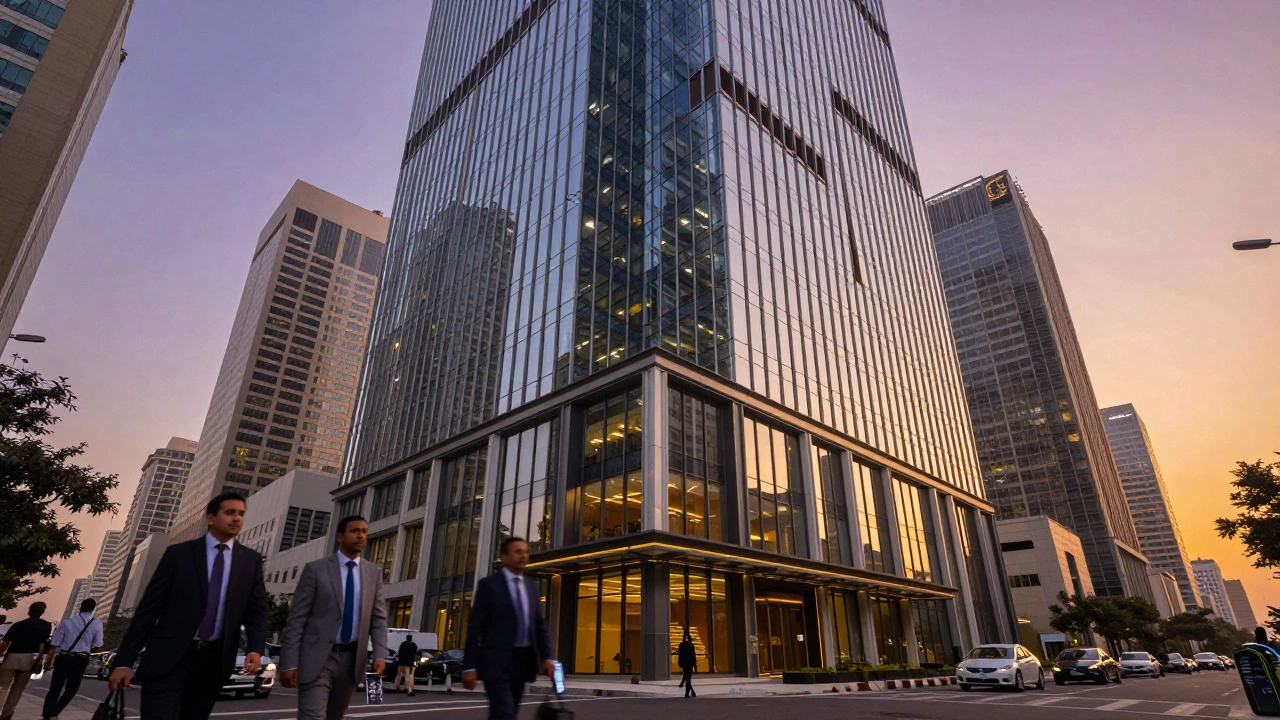
Office space is often the first thing people picture when they hear "commercial property." It’s usually located in central business districts (CBDs) or major suburban hubs. Investors love it because tenants-law firms, accountants, tech startups-sign long leases, often five to ten years. This provides stable income.
But here’s the catch: vacancy rates have been volatile since remote work became normal. If your tenant leaves, finding a replacement can take months. Plus, fit-out costs are high. You might need to spend tens of thousands upgrading air conditioning, lighting, or internet infrastructure before a new tenant moves in.
- Pros: High visibility, prestige tenants, potential for significant capital growth in prime locations.
- Cons: High vacancy risk, expensive fit-outs, sensitive to economic downturns.
If you choose office space, look for buildings with strong amenities-secure parking, good public transport links, and modern facilities. Older, tired offices struggle to compete unless you renovate them heavily.
Retail Units: Location, Location, and More Location
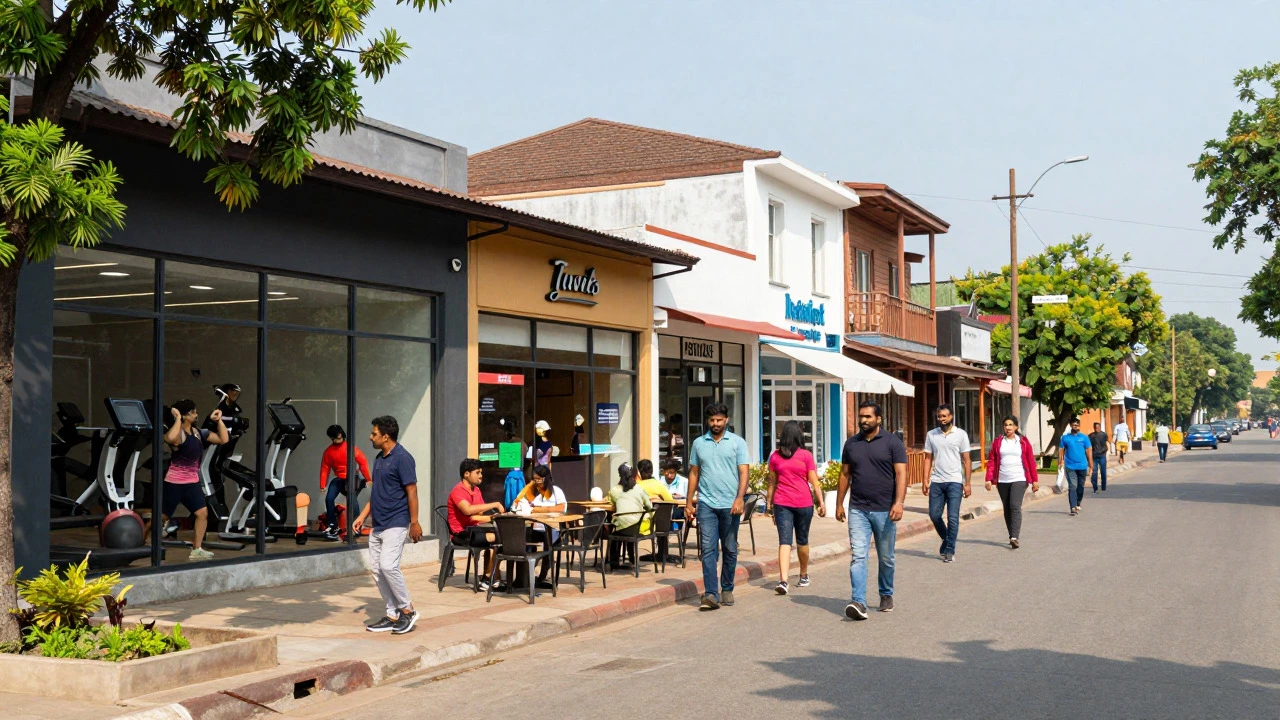
Retail property includes shopping centers, standalone shops, and food courts. Unlike offices, retail relies on foot traffic. A shop in a dead mall is worth far less than the same size shop on a busy street corner.
The biggest shift in recent years is the rise of "experiential retail." People don’t just buy things online; they go out for services that can’t be digitized-hair salons, gyms, cafes, medical clinics. These tenants are more resilient than traditional clothing stores. However, e-commerce continues to squeeze general merchandise retailers.
| Feature | Retail Unit | Office Space |
|---|---|---|
| Tenant Lease Length | 3-5 years (often shorter) | 5-10 years (longer) |
| Vacancy Risk | High if location is poor | Moderate to High depending on market |
| Fit-Out Costs | Medium to High (branding matters) | Low to Medium (standard layouts) |
| Income Stability | Variable (depends on sales) | Stable (fixed rent) |
When evaluating retail, check the surrounding demographics. Are there enough families nearby to support a bakery? Is there competition from larger centers? Also, beware of anchor tenants leaving. If the big supermarket closes, smaller shops around it often suffer too.
Industrial and Warehouses: The Quiet Performers
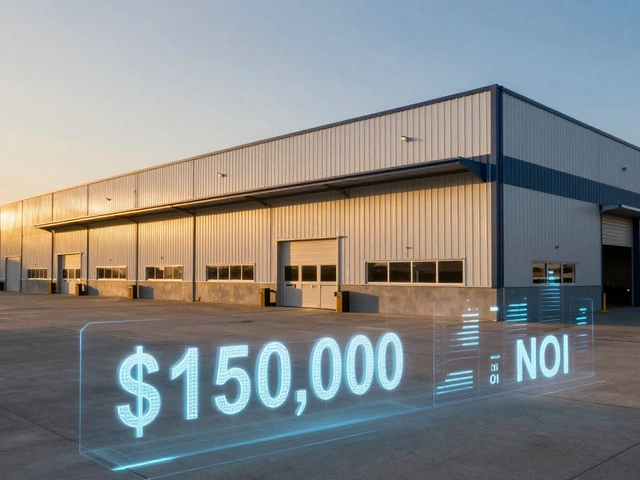
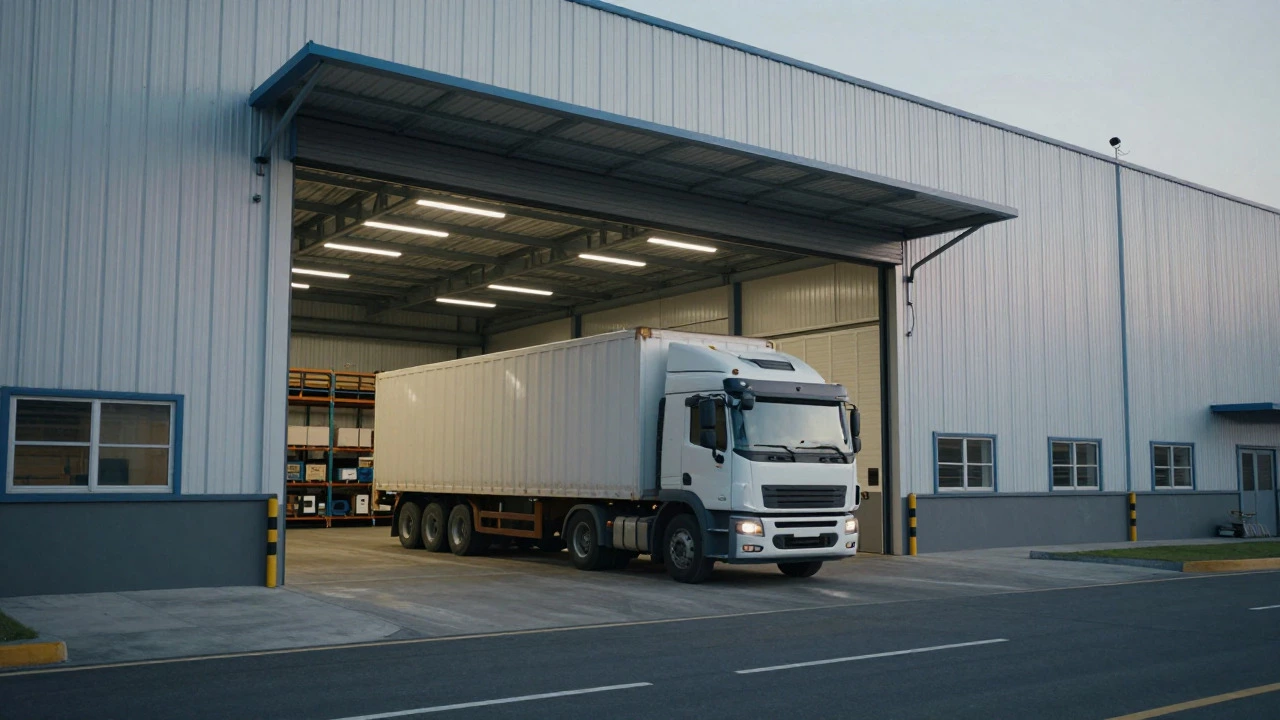
For years, industrial property was seen as boring. Now, thanks to online shopping and logistics demands, it’s one of the hottest sectors. Warehouses, distribution centers, and light manufacturing units are in high demand.
Why? Because every package bought online needs storage and sorting. Tenants here care about ceiling height, loading docks, and truck access-not fancy lobbies. Leases are often longer and simpler. Maintenance is lower because these buildings are utilitarian by design.
- Pro Tip: Look for properties near major highways or freight corridors. Accessibility drives value more than aesthetics.
- Risk Factor: Zoning laws can change. Ensure the land is zoned correctly for industrial use, not just residential.
Industrial assets often offer higher yields than offices or retail. They’re less glamorous, but they pay the bills consistently. If you want steady cash flow with fewer surprises, this might be your sweet spot.
Medical Suites: Recession-Proof Demand
People get sick regardless of the economy. That’s why medical suites-clinics, dental practices, physiotherapy rooms-are increasingly popular among investors. These properties blend elements of office and retail but with specialized requirements.
Medical tenants sign long leases because moving equipment is expensive and disruptive. Once a doctor sets up their practice, they rarely leave. This creates incredibly stable income streams. Vacancy rates tend to be low, especially in growing suburbs where populations are expanding.
However, entry costs can be higher due to specific build requirements like plumbing for sinks, reinforced floors for heavy machines, and separate waiting areas. You’ll also need to ensure compliance with health regulations, which adds a layer of complexity to management.
How to Choose Based on Your Investor Profile
So, which type fits you? Here’s a quick decision framework based on common investor goals:
- The Cash Flow Seeker: Go for industrial or medical suites. Higher yields and lower turnover mean consistent monthly income.
- The Growth Hunter: Consider retail in emerging suburbs or office spaces undergoing gentrification. Capital appreciation may outweigh immediate returns.
- The Hands-Off Investor: Avoid multi-tenant retail complexes. Stick to single-tenant industrial or large-format retail with established anchors. Less management headache.
- The Value Adder: Buy older office buildings or underutilized retail strips. Renovate, re-lease, and increase rents to boost value.
Remember, diversification matters. Don’t put all your eggs in one basket. Maybe you start with a small industrial unit and add a medical suite later. Spreading across asset classes reduces risk if one sector takes a hit.
Common Pitfalls to Avoid
Even experienced buyers make mistakes. One big error is ignoring lease structures. In commercial property, who pays for repairs? Who covers insurance? Who handles council rates? These details vary wildly between leases. Always read the fine print with a lawyer.
Another trap is overestimating rental growth. Just because an area is trendy doesn’t mean rents will double overnight. Analyze actual comparable leases, not asking prices. Talk to local agents-they know what tenants are actually paying, not just what landlords hope to get.
Finally, don’t underestimate exit strategies. How easy will it be to sell this property in five years? Industrial units have broad appeal. Niche medical suites might limit your buyer pool. Think ahead.
Is office space still a good investment?
It depends on the location and quality. Prime CBD offices with modern amenities remain desirable, but older suburban offices face challenges due to hybrid work models. Focus on buildings with flexible layouts and strong transport links.
Why are industrial properties gaining popularity?
The boom in e-commerce has driven demand for warehousing and logistics spaces. Additionally, industrial properties often offer higher yields and lower maintenance costs compared to office or retail assets.
What is the biggest risk with retail property?
Location dependency and changing consumer habits. If foot traffic declines or competitors open nearby, vacancies can rise quickly. Online shopping also pressures traditional brick-and-mortar retailers.
Do medical suites require special zoning?
Yes, many councils have specific zoning for medical uses. Always verify that the property is approved for clinical or healthcare purposes before purchasing, as converting other uses can be costly and time-consuming.
How does lease length affect commercial property value?
Longer leases generally increase stability and attractiveness to investors seeking secure income. However, very long leases with fixed rents can cap upside potential if market rates rise significantly during the term.