60-Second Commercial Builder
How to Build Your Pitch
Create a powerful 60-second commercial by following these key elements:
Max 150 words. Aim for clarity, not fluff. Example: "This 2,500m² warehouse in Salisbury generates $180,000 annual income with 98% occupancy..."
Pitch Analysis
When you're selling commercial property, time is money. Buyers don’t have hours to sit through a full tour or read a 20-page brochure. That’s where a 60-second commercial comes in - a sharp, focused pitch that tells the story of the property in exactly one minute. It’s not a TV ad. It’s not a sales script. It’s the verbal equivalent of a high-converting landing page - designed to grab attention, highlight value, and make the buyer want to see more.
Why a 60-Second Commercial Matters
In commercial real estate, the first impression isn’t made at the open house - it’s made before the buyer even steps through the door. A well-crafted 60-second commercial can turn a cold lead into a serious inquiry. Think of it as your property’s elevator pitch. You’ve got the same amount of time as a commercial break during a football match. Use it wisely.
Most agents waste the first 30 seconds on generic fluff: "This is a great opportunity," "Located in a high-growth area," "Perfect for a variety of uses." That’s noise. Buyers hear it every day. What they need is context. What makes this property different? Why should they care right now?
What Goes Into a 60-Second Commercial
A strong 60-second commercial for commercial property follows a simple structure:
- Hook (0-10 seconds): Start with the outcome. "This 2,500-square-metre warehouse in Salisbury generates $180,000 in annual net income with 98% occupancy."
- Problem solved (10-25 seconds): What pain point does this property fix? "Tenants have been struggling with outdated loading docks - this one has four new hydraulic lifts and 24/7 access."
- Key specs (25-45 seconds): Only the numbers that matter. "Zoned B2, 100 parking bays, 7.2m clear height, triple-phase power, NNN lease with a national tenant until 2031."
- Call to action (45-60 seconds): Make the next step obvious. "Schedule a private viewing this week and I’ll include the full tenant lease history and energy audit."
This isn’t about sounding impressive. It’s about being clear. A buyer doesn’t need to know the architect’s name. They need to know if the roof leaks, if the zoning allows food processing, and if the rent roll is stable.
What Not to Say
Here’s what kills a 60-second commercial before it starts:
- "It’s a rare opportunity." - Too vague. Every listing is "rare."
- "The market is hot." - So what? That’s true everywhere. What’s hot here?
- "I’ve had lots of interest." - That’s a red flag if you can’t name one serious buyer.
- "Perfect for startups or established businesses." - That’s not a differentiator. That’s a cop-out.
Don’t describe the building. Describe the business it enables. A warehouse isn’t just concrete and steel. It’s a logistics hub. A retail strip isn’t just tenancies - it’s foot traffic, visibility, and customer retention.
Real Example: A Property in Adelaide’s Northern Suburbs
Take a 1,800m² industrial unit on the corner of Port Wakefield Road and Golden Grove Road. It’s not flashy. But here’s how the 60-second commercial works:
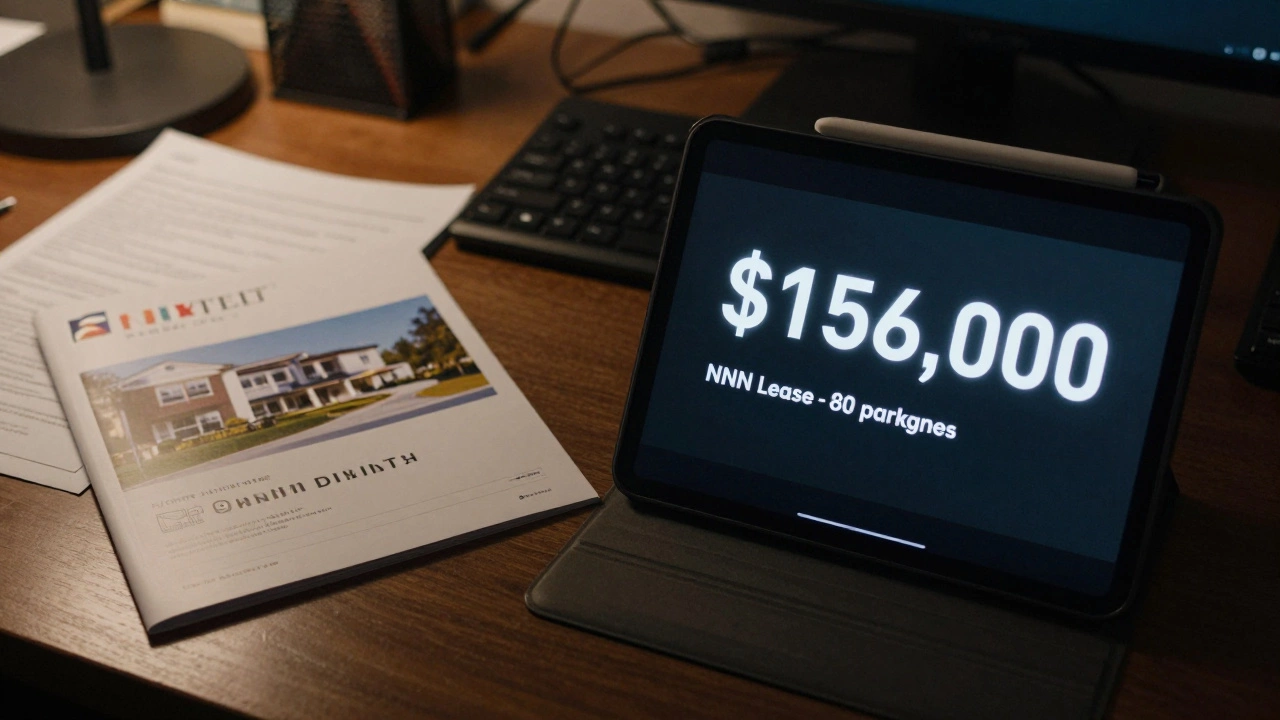
"This 1,800-square-metre industrial unit in Golden Grove is leased to a national automotive parts distributor under a five-year NNN lease. Net income: $156,000 annually. The property has two 5.5m-wide roller doors, 7.5m clear height, and 80 dedicated parking spaces - all on a 3,200m² site with dual road frontage. The tenant pays all rates and insurance. The zoning allows light manufacturing, warehousing, and distribution. With new road upgrades set to finish this year, this is one of the last large industrial lots in the area with existing income. Let me send you the lease and site plan before Friday - I’m only showing this to serious buyers this week."
Notice: no fluff. No "beautiful space." No "prime location." Just facts, income, and urgency. That’s what works.
How to Practice Your 60-Second Commercial
Record yourself. Not your phone camera - your voice memo app. Say it out loud. Time it. Cut anything that doesn’t add value. Then say it again. And again.
Test it on someone who knows nothing about real estate. If they don’t understand the value in 60 seconds, you’re overcomplicating it.
Use this checklist:
- Is the net income stated clearly?
- Are the key zoning rules mentioned?
- Does it explain what the property enables (not just what it is)?
- Is there a clear next step?
- Does it sound like something a business owner would care about?

When to Use It
You use a 60-second commercial in three places:
- Initial outreach: When emailing or texting a potential buyer, lead with it. Don’t attach a PDF first.
- Phone calls: After the greeting, deliver it. If they’re still interested, then you send the full package.
- Networking events: When someone asks, "What are you working on?" - this is your answer.
It’s not a replacement for a full listing. It’s the filter. The gatekeeper. The reason someone opens your email instead of deleting it.
Why This Works Better Than Brochures
Brochures are passive. A 60-second commercial is active. It’s engineered for attention. People scan. They skip. They multitask. But if you give them a clear, tight story with numbers they can’t ignore, they stop.
Commercial buyers aren’t looking for pretty photos. They’re looking for predictable returns. A 60-second commercial speaks their language: income, occupancy, zoning, lease terms, and exit potential.
Final Tip: Always End With a Deadline
The most powerful line in any 60-second commercial? "I’m only showing this to serious buyers this week." Or, "The offer expires Friday." Or, "I’ve got two other interested parties this week."
Urgency doesn’t mean pressure. It means clarity. It tells the buyer: this isn’t just another listing. This is a moment.
Master the 60-second commercial, and you stop chasing buyers. You start attracting them.
Is a 60-second commercial the same as a property video?
No. A property video is visual - it shows the space, the lighting, the layout. A 60-second commercial is audio or spoken - it tells the financial and strategic story. The best approach is to use both: the video shows the property, the 60-second commercial explains why it’s valuable. They work together.
Can I use this for retail shops or offices too?
Yes. The structure stays the same. For a retail shop: "This 80m² corner shop in Norwood has 12,000 daily foot traffic, a 10-year lease with a well-known café chain, and a newly installed HVAC system. The landlord pays for structural repairs - the tenant pays all outgoings. The lease expires in 2028, but the tenant has two 5-year renewal options. I’m offering a 30-day rent-free period to the right buyer."
Do I need to memorize it word for word?
No. Memorizing sounds robotic. Know the key points - income, tenant, zoning, next step - and speak naturally. Practice until it flows, not until it’s scripted.
What if the property has no tenants yet?
Then focus on potential. "This 1,500m² warehouse in Wingfield is vacant but zoned for manufacturing, distribution, and storage. It’s 95% complete with new roofing, concrete floors, and 10 loading bays. The current owner has received three expressions of interest from logistics companies looking to expand. The asking price reflects a 6.8% yield based on market rental rates. Let me send you the site plan and zoning map."
How do I know if my 60-second commercial is working?
Track responses. If more buyers are asking for the full package after hearing your pitch, it’s working. If they’re still asking basic questions like "What’s the size?" or "Is it leased?" - you haven’t said enough. Refine it until your pitch answers the top three questions before they even ask.