Villa Maintenance Cost Calculator
Compare your annual maintenance costs for a standard house versus a villa with included services. Based on article insights about villa communities handling landscaping, pool, and exterior maintenance.
Estimated Annual Costs
When you see a villa listed for sale, it’s easy to assume it’s just a fancy house with a pool. But that’s not the whole story. Villas aren’t just about size or price-they’re designed for a specific way of living. People don’t buy villas because they need more square footage. They buy them because they want space without the maintenance, privacy without isolation, and luxury without the noise of city life.
It’s Not Just a Big House
A villa isn’t defined by how many bedrooms it has. It’s defined by how it’s built to live in. Traditionally, villas started as country homes in Italy and Greece-places where wealthy families escaped the city for fresh air, quiet, and connection to the land. Today, that idea still holds. A villa gives you breathing room. Not just outdoor space, but a sense of separation from neighbors. You won’t hear your next-door neighbor’s TV or their kids running through the hallway at 7 a.m.Compare that to a townhouse or apartment. Even in a gated community, shared walls mean shared noise. A villa, especially on its own lot, is built to stand alone. That’s why you’ll often find villas with large setbacks, private driveways, and no shared fences. The architecture itself says: this is your space, and no one else’s.
Designed for Lifestyle, Not Just Storage
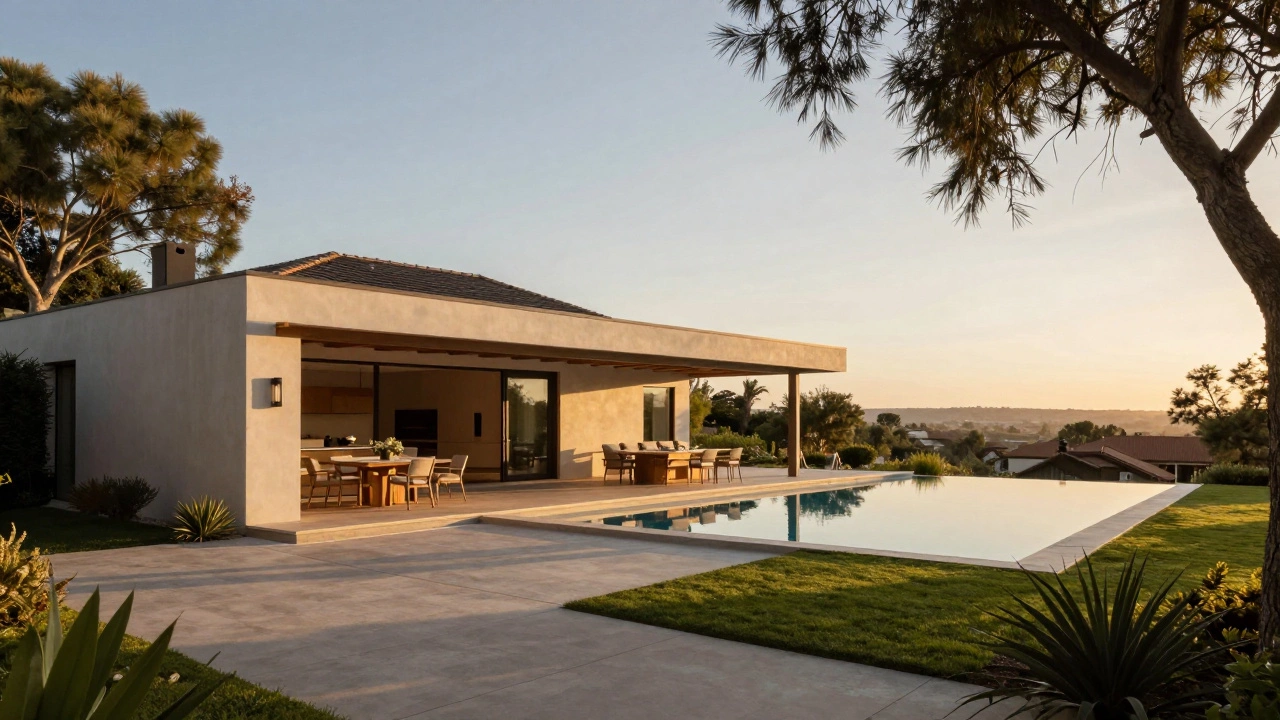
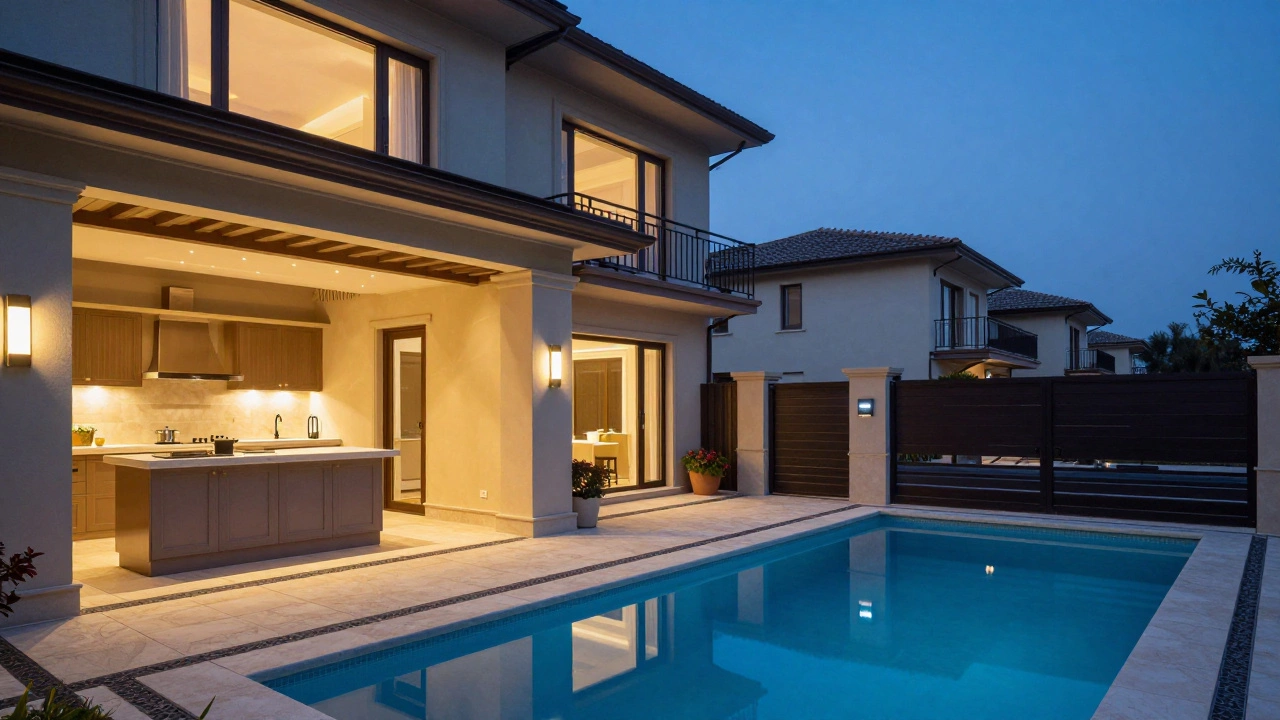
Villas are built with lifestyle in mind. You’ll notice features you rarely see in standard homes: covered outdoor dining areas that face the sunset, infinity pools that blend into the horizon, open-plan living spaces that flow into gardens, and guest wings that feel like separate cottages. These aren’t just decorative. They’re functional.Think about how you actually use your home. Do you entertain often? Do you want to host family for weekend getaways? Do you value quiet mornings with coffee on a terrace? Villas are built for those moments. A standard house might have a backyard. A villa has an outdoor living room-with a kitchen, a fireplace, and seating that lasts through all seasons.
In places like Adelaide, where summers are long and mild, villas often include shaded courtyards and breezeways designed to catch the natural wind. That’s not luck-it’s intentional design. Builders know people don’t just want a place to sleep. They want a place that makes daily life feel like a retreat.
Privacy Without Seclusion
One of the biggest misunderstandings about villas is that they’re isolated. That’s not always true. Many modern villas sit in low-density estates-think 5 to 15 homes per block. That’s enough to feel safe and connected, but not so many that you lose your sense of peace.Unlike high-rise apartments, where security is managed by a front desk, villas give you control. You decide who comes in. You control the gates, the lighting, the cameras. You don’t need to ask permission to have a late-night barbecue or play music. That level of autonomy matters. People who buy villas aren’t just buying property-they’re buying freedom.
And yet, most villa communities still offer amenities: a shared pool, walking trails, or a clubhouse. You get the best of both worlds: the quiet of your own space, and the convenience of shared services when you want them.

Why Not Just Buy a Big House?
This is the question most people ask. If you can afford a large home on a big block, why pay more for a villa?The answer is in the details. A big house might come with a huge yard that needs mowing, hedges to trim, and a pool that breaks down every other year. A villa? Those things are often handled for you. Many villa communities include landscaping, pool maintenance, and even security patrols in their fees. That’s not a luxury-it’s a time-saver.
Take someone in their late 50s, retired, looking to downsize from a family home. They still want space, but they don’t want to spend weekends fixing gutters. A villa offers them the same square footage, minus the labor. Or consider a young professional who travels often. They want a home that looks cared for even when they’re away. A villa with managed grounds does that automatically.
It’s About Long-Term Value
Villas don’t just feel better-they hold their value better. In markets like Adelaide, Melbourne, and Sydney, villas in well-maintained estates consistently outperform standard homes in resale. Why? Because demand is growing. More people are looking for low-maintenance luxury. The supply? It’s limited.Builders can’t just slap up a villa anywhere. They need large lots, zoning approvals, and careful planning. That means new villas are rare. And existing ones? They rarely hit the market. When they do, they attract multiple offers-even in slower markets.
Compare that to a typical 4-bedroom house on a 600m² block. It’s easy to build more of those. There’s no scarcity. That’s why villa prices don’t drop as sharply during downturns. They’re not just homes-they’re lifestyle assets.
Who Buys Villas? The Real Buyers
You might think villas are only for the ultra-rich. But that’s outdated. Today’s villa buyers come from all walks:- Empty nesters who want to downsize without losing their garden or entertaining space.
- Investors who rent them out to professionals or holidaymakers-they command 20-30% higher rental yields than standard homes.
- Remote workers who need a quiet, inspiring place to work without distractions.
- Retirees who want safety, accessibility, and no yard work.
- Young families who value privacy, outdoor play space, and no noisy neighbors.
One client in Adelaide bought a two-bedroom villa in a gated community for $980,000. It had a pool, a covered alfresco, and a 24/7 concierge service. She’s 42, works from home, and has two kids. She told me: "I didn’t want a mansion. I wanted a home that didn’t demand my time. This is it."
What You Should Look For
Not all villas are created equal. Here’s what to check before you buy:- Strata rules-some restrict pets, rentals, or renovations. Know what you’re signing up for.
- Maintenance fees-what’s included? Pool cleaning? Landscaping? Security? Get a breakdown.
- Location-is it near schools, shops, or public transport? A villa is only as good as its surroundings.
- Orientation-does the living area face north for winter sun? Is there shade in summer?
- Build quality-check for waterproofing, insulation, and window seals. Older villas can have hidden issues.
Don’t just fall for the pool or the view. Ask: "Will this still feel like a retreat in five years?" If the answer is yes, you’re on the right track.
The Bigger Picture
The purpose of a villa isn’t to show off. It’s to simplify life. To give you back time. To let you wake up without thinking about chores. To host friends without worrying about the mess. To live without compromise.In a world that’s getting louder and faster, villas offer something rare: stillness. Not because they’re empty, but because they’re designed for peace. That’s why they’re not just selling. They’re becoming the new standard for people who want more from their home-not just space, but soul.
Is a villa the same as a mansion?
No. A mansion is defined by size and luxury, often with 8+ bedrooms, elaborate finishes, and high price tags. A villa is defined by layout and lifestyle-smaller villas can be just as desirable as mansions if they’re well-designed and low-maintenance. Many villas have 2-4 bedrooms and still feel luxurious because of thoughtful design, not square footage.
Are villas a good investment in Australia?
Yes, especially in cities like Adelaide, Melbourne, and Brisbane. Villas in well-managed estates consistently outperform standard homes in resale value and rental yield. Demand is rising as more people prioritize low-maintenance living. Supply is limited, which keeps prices stable even during market dips. Investors often see 5-7% annual returns, higher than most apartments.
Can I rent out my villa?
It depends on the strata rules. Many villa communities allow short-term rentals, especially if they’re in tourist-friendly areas. Others restrict rentals to long-term only. Always check the by-laws before buying. Villas often rent for 20-30% more than standard homes because of their privacy and amenities.
Do villas require more upkeep than apartments?
Less than a standalone house, but more than an apartment. Most villa communities include landscaping, pool cleaning, and exterior maintenance in monthly fees. You still handle inside repairs-plumbing, appliances, flooring-but the outside work is taken care of. That’s why they’re popular with retirees and busy professionals.
Are villas suitable for families with kids?
Absolutely. Many villa communities are designed with families in mind-quiet streets, shared playgrounds, and safe walking paths. The private backyard gives kids space to play without the risks of a busy street. Plus, with fewer neighbors in close proximity, there’s less noise and fewer disruptions. Families who want space without isolation often find villas ideal.