When dealing with Virginia construction permits, official authorizations required by local governments before any building work can start in the Commonwealth of Virginia, you also run into a few key players. The building code, a set of safety and performance standards that all new structures must meet dictates the minimum quality for walls, roofs, electrical systems, and more. Meanwhile, the zoning ordinance, local land‑use rules that decide what types of buildings are allowed in specific areas can either open the door for a new duplex or shut it down outright. To start, you’ll need a permit application, the paperwork that proves you’ve met code and zoning requirements and asks the municipality for approval. Once the paperwork is accepted, the inspection process, a series of checks by certified inspectors to verify that construction follows the approved plans and code kicks in, ensuring safety before you move in. Understanding how these pieces fit together makes the whole journey less stressful and keeps your project on schedule.
The Virginia construction permits system exists to protect people and property, but it also streamlines your work if you know the rules. First, the building code sets the floor for structural integrity, fire safety, and energy efficiency—think of it as the technical backbone. If you ignore it, inspectors will flag violations, and you could face costly rework. Next, zoning ordinances act like a neighborhood rulebook: they decide setbacks, height limits, and whether a commercial space can sit on a residential lot. A mismatch here often means your permit application gets rejected before it even reaches the inspection stage.
When you fill out the permit application, you’re basically telling the local building department, “I’ve checked the code, I’ve respected the zoning, and I’m ready to build.” The application usually requires detailed plans, engineering calculations, and proof of contractor licensing. Once submitted, the department reviews the documents, cross‑checking code compliance and zoning fit. If everything aligns, they issue the permit and schedule inspections at key milestones—foundation, framing, electrical, plumbing, and final occupancy. Each inspection validates that the work follows the approved plans, catching issues early so you avoid surprises later. Skipping or failing an inspection can stall your project and add penalties, so staying on top of the schedule is crucial.
Getting a permit isn’t just paperwork; it’s a roadmap that guides you from concept to completion while keeping you safe and legal. In the list below you’ll find articles that break down each step in plain language—how to read a zoning map, what the most common code violations look like, tips for speeding up the application, and checklists for each inspection stage. Whether you’re a homeowner planning a small remodel or a developer tackling a multi‑unit project, the resources here will give you the practical know‑how to navigate Virginia’s permit process with confidence.
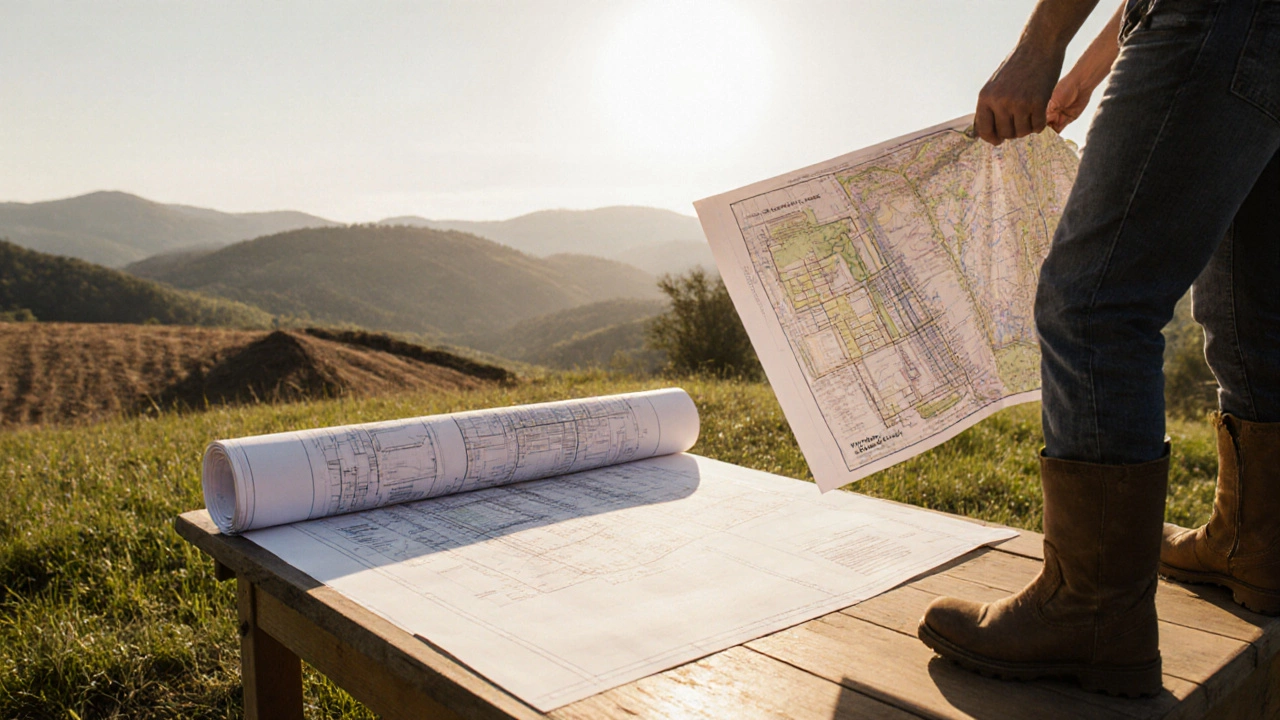
Learn the step‑by‑step legal requirements for building a house in Virginia, from zoning checks and permits to inspections and costs, in clear, practical language.
 0
0