When you reach a certain age in Utah, your property tax bill doesn’t have to keep climbing. The state offers property tax relief, a program that reduces tax burdens for qualifying seniors and disabled homeowners. Also known as homestead exemption, it’s not automatic—you have to apply, and age is just one part of the puzzle. Many people assume there’s a simple cutoff like ‘65 and you’re done,’ but Utah’s rules are more layered. Your income, how long you’ve lived in the home, and whether you’re the primary resident all matter. This isn’t about avoiding taxes—it’s about making sure long-time residents aren’t priced out of their own homes.
The key entity here is the Utah homestead exemption, a state-backed program that caps property tax increases for eligible homeowners. It’s available to those 65 or older, or any age if you’re permanently disabled. But here’s what most don’t realize: you must have owned and lived in the home for at least five years. And your household income can’t exceed $48,000 (as of 2024). If you’re 70 and your pension puts you over that limit, you won’t qualify. If you’re 62, retired, and on a fixed income under $40,000, you might. The system rewards stability, not just age. Related to this is the property tax deferral, a separate option that lets you delay paying taxes until you sell or move. It’s not a discount—it’s a loan against your home’s equity, and interest builds over time. Many seniors use this when they can’t afford the bill but don’t want to sell. These programs don’t apply to vacation homes, rental units, or properties with multiple owners unless all meet the criteria.
People in places like Salt Lake City, Provo, and St. George often pay more in property taxes than they did a decade ago—even if their home’s value hasn’t changed much. That’s because local governments raise rates to cover schools, roads, and emergency services. The state’s age-based relief programs are designed to soften that blow for those who’ve lived there for decades. If you’re over 65 and still living in the same house you bought in the 80s, you’re likely eligible for something. But you won’t get it unless you file the paperwork each year. The county assessor’s office doesn’t call you. They don’t send reminders. You have to reach out.
Below, you’ll find real stories and practical breakdowns from Utah homeowners who’ve navigated these programs—what worked, what didn’t, and how to avoid the common mistakes that cost people thousands.
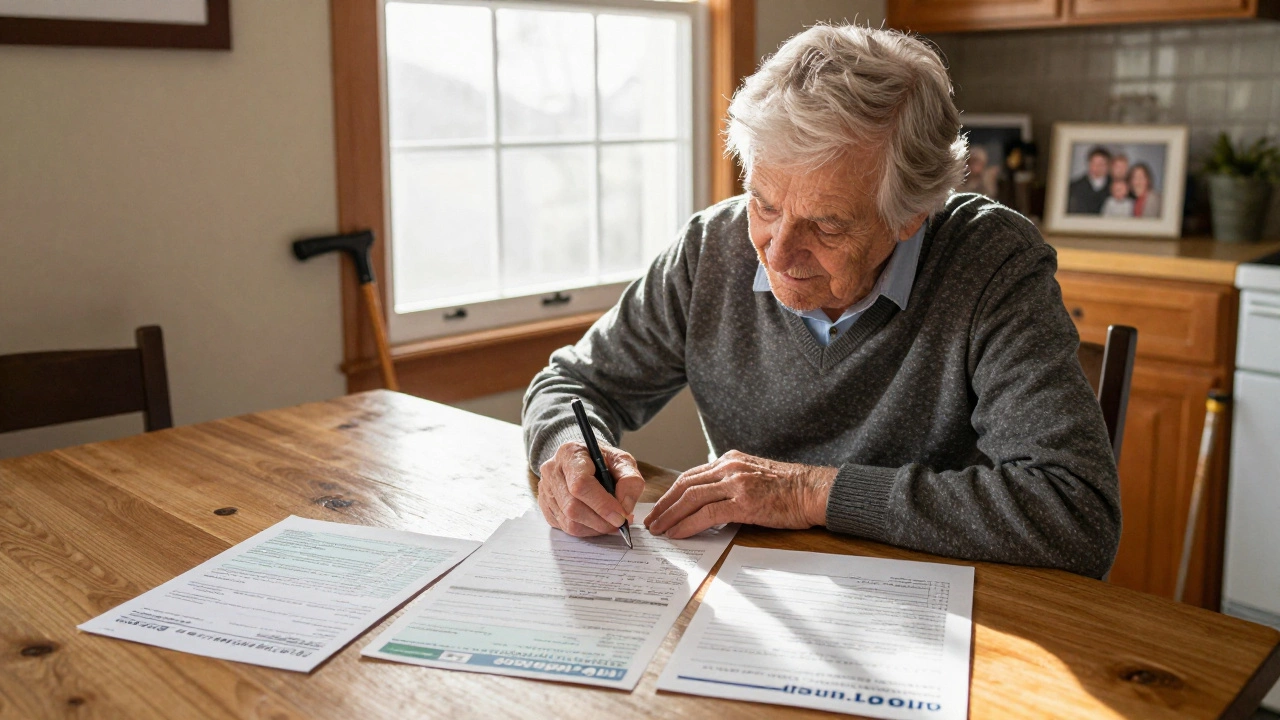
You never stop paying property taxes in Utah just because you're old, but seniors 66 and older can qualify for significant tax credits if they meet income and residency rules. Learn how to apply and avoid common mistakes.
 0
0