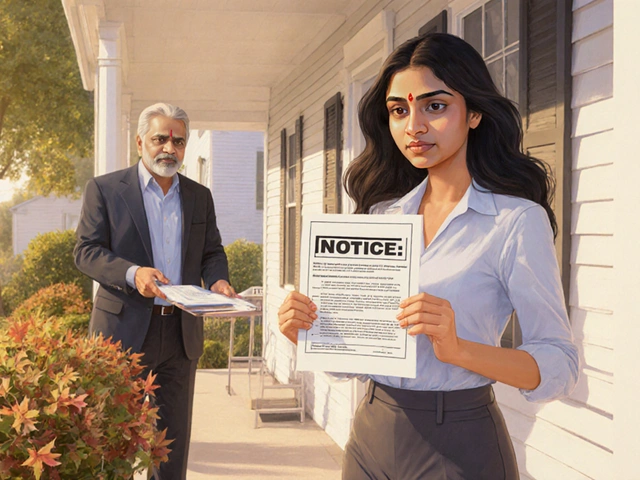
When you’re on a fixed income, property taxes for seniors, the ongoing cost of owning a home after retirement can feel like a hidden bill that keeps growing. Many seniors don’t realize they might qualify for big breaks—like tax freezes, homestead exemptions, or credits that cut their bills by hundreds or even thousands a year. These aren’t just nice-to-haves; they’re designed to help older homeowners stay in their homes without being priced out.
One key tool is the homestead exemption, a reduction in taxable property value for owner-occupied homes. Almost every state offers it, but the amount varies wildly. In Florida, it can knock off $50,000 from your home’s taxable value. In Texas, it’s $40,000 for school taxes. Then there’s the property tax freeze, a program that locks your tax bill at a certain level, even if your home’s value rises. States like New Jersey and Pennsylvania have these for seniors over 65 who meet income limits. And don’t overlook senior tax credits, direct reductions in the tax amount owed, often based on age and income. Some counties even refund part of your tax bill if you’ve lived there for 20+ years.
These programs aren’t automatic. You have to apply—often annually—and paperwork is messy. You’ll need proof of age, income, and residency. Some states require you to file before March, others by October. Miss the deadline, and you wait another year. Many seniors don’t know about these options because they’re buried in county websites or handled by local assessors who don’t proactively reach out. But if you’re over 65, own your home, and pay property taxes, you’re likely eligible for something.
What’s missing from most advice is that these rules change by county, not just by state. A tax freeze in Cook County, Illinois, won’t look like one in Maricopa County, Arizona. And if you moved recently, your old home’s tax break won’t follow you. You’ll need to reapply. The same goes for surviving spouses—some programs let them keep the break after their partner passes, others don’t. That’s why the posts below dig into real cases: how a widow in Ohio slashed her bill by 60%, why a retired teacher in Georgia got a full exemption, and what to do if your application gets denied.
You didn’t spend decades paying off your home only to lose it because of rising taxes. The system has ways to help—you just need to know where to look. Below, you’ll find clear, no-fluff guides on how to apply, what documents to gather, which states offer the best deals, and what traps to avoid. No jargon. No sales pitches. Just what works for real people in real situations.
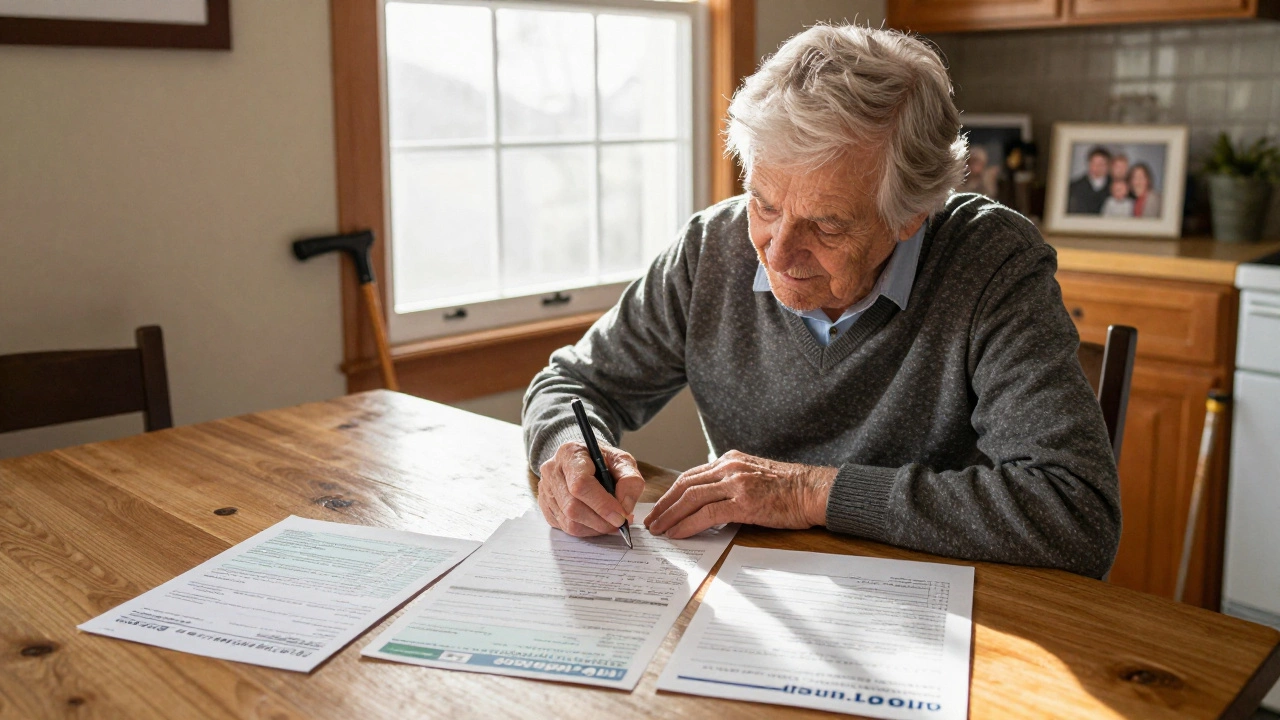
You never stop paying property taxes in Utah just because you're old, but seniors 66 and older can qualify for significant tax credits if they meet income and residency rules. Learn how to apply and avoid common mistakes.
 0
0