When working with occupancy load factor, the number of people a space can safely accommodate based on its area, intended use, and safety standards. Also known as occupancy calculation, it guides architects, landlords, and safety officers in creating compliant buildings. The factor is tightly linked to the building code, the set of regulations that dictate construction, occupancy, and safety requirements that each jurisdiction enforces. Fire safety, measures designed to prevent, control, or extinguish fires and protect occupants directly influences how the load factor is calculated because fire hazards dictate maximum crowd density. Another critical piece is egress width, the total width of exit routes available for evacuating occupants, which caps the number of people allowed inside a room or hall. Finally, occupancy classification, the categorization of a space based on its primary use, such as assembly, business, or residential determines the specific load factor formula applied. Understanding the occupancy load factor is essential because it ensures safety, avoids legal penalties, and helps property owners maximize usable space without compromising health standards.
The relationship among these entities follows clear logical steps. First, the occupancy classification tells you which category your space falls into, which then selects the appropriate occupancy load factor multiplier defined in the building code. Next, fire safety requirements, such as sprinkler systems and fire alarm coverage, may adjust the multiplier upward or downward to account for risk levels. After the multiplier is set, you calculate the raw occupant number by multiplying the usable floor area by the factor. Finally, you verify that the resulting figure does not exceed what the egress width can safely evacuate within the required time frame—usually 30 seconds for most occupancies. If the egress capacity falls short, you must reduce the allowed occupancy or add more exits. This chain of dependencies—classification → code multiplier → fire safety adjustment → egress verification—creates a robust safety net that prevents overcrowding and ensures rapid evacuation during emergencies. Real estate professionals use this process daily when assessing new developments, retrofitting older buildings, or preparing lease agreements that specify maximum occupant limits.
Armed with this framework, you can read any property listing or construction plan and instantly spot whether the numbers add up. Whether you’re a landlord checking that a new apartment meets local regulations, a developer sizing a conference hall, or a tenant curious about the maximum number of guests allowed in a community center, the concepts above give you a practical checklist. Below, you’ll find articles that dive deeper into each step— from decoding building code tables to measuring egress pathways—so you can apply the occupancy load factor rules with confidence and keep every space both functional and safe.
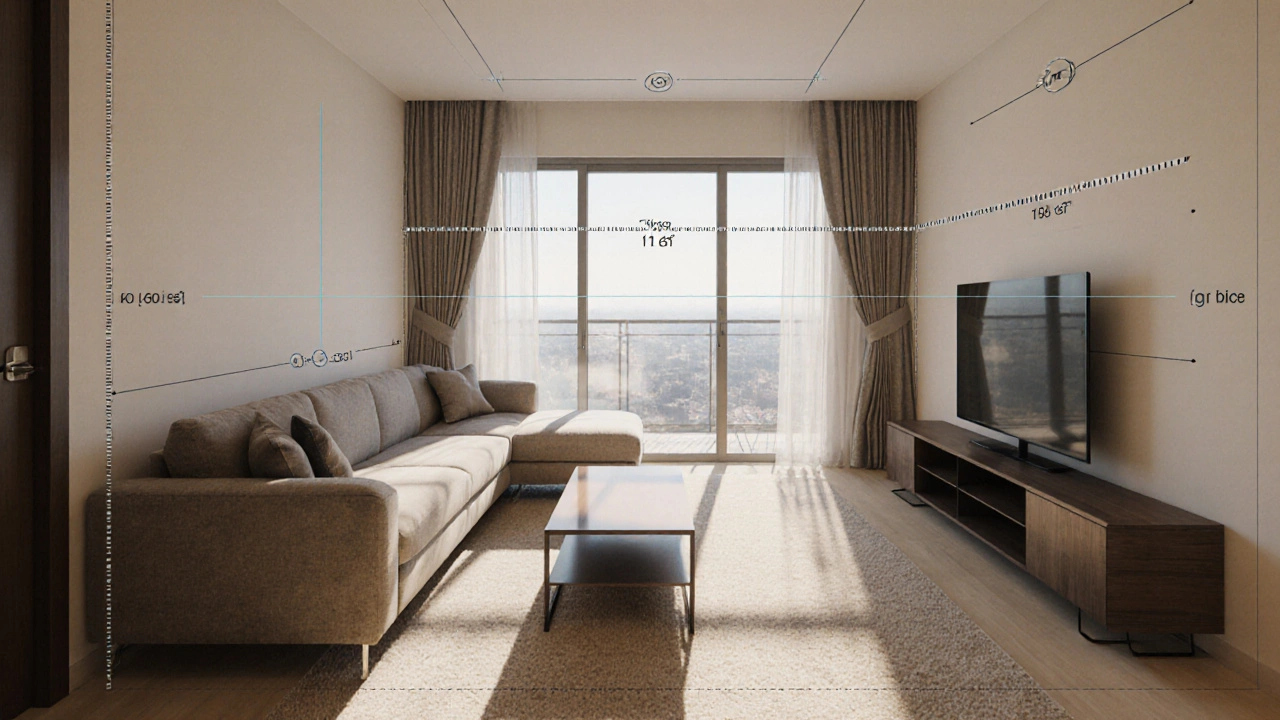
Learn how many people can safely occupy a 600sqft room, with step‑by‑step occupancy calculations, code references, and comfort tips for 2BHK apartments.
 0
0