When you’re renting out a property in India, a Microsoft Word rent agreement template, a customizable digital document used to outline rental terms between landlord and tenant. Also known as a lease agreement, it’s not just paperwork—it’s your legal shield. A handwritten note or a copied PDF from the internet won’t cut it. Courts in India require clear, signed, and stamped agreements under the Indian Stamp Act. That’s why so many landlords and tenants turn to Word templates—they’re simple, editable, and if done right, legally sound.
A good rent agreement, a binding contract that defines rent amount, duration, security deposit, maintenance duties, and termination rules. must include key details: full names of both parties, property address, rent amount and due date, security deposit terms, repair responsibilities, and notice period for eviction. Missing even one of these can make the whole document useless in court. And yes, in most Indian states, you need to print it on stamp paper worth ₹100 to ₹500 depending on rent and tenure. A Word template helps you get the structure right, but you still need to fill in the blanks accurately and pay the stamp duty.
Many people think a rent agreement is just for landlords. But tenants need it too. Without one, you have no proof of where you live, no leverage if the landlord hikes rent illegally, and no protection if they try to kick you out without notice. In cities like Delhi, Mumbai, or Bengaluru, where rental disputes are common, a properly filled Word template can save months of legal hassle. Some templates even include clauses for pet policies, utility payments, or subletting—things you’d never think to ask for until it’s too late.
You’ll find hundreds of free Word templates online, but most are outdated or copy-pasted from U.S. or U.K. laws. India has its own rules. For example, the maximum security deposit allowed is usually two months’ rent in most states. The notice period for eviction is often 15 to 30 days. A template that doesn’t reflect these local laws is a liability, not a tool. The best templates are built for Indian tenancy laws, include state-specific clauses, and are updated regularly to match changes in the Rent Control Act and DPDP compliance for digital copies.
What makes a template truly useful isn’t how fancy it looks—it’s how clearly it guides you through the essentials. Look for ones that break down each section with simple instructions: "Enter your full name here," "Do not leave the deposit amount blank," "Stamp paper required in your state: ₹___". Avoid templates with legalese you don’t understand. If you can’t explain the clause to your tenant, it’s not working.
And don’t forget the digital side. With India’s Digital Personal Data Protection Act, storing tenant details like ID proof or bank info in an unsecured Word file could get you in trouble. Always password-protect files, avoid emailing them openly, and keep physical copies signed and stamped. A Word template is just the start—you still need to handle data responsibly.
Below, you’ll find real examples from landlords and tenants who’ve used these templates the right way—and the costly mistakes others made by skipping the details. Whether you’re renting your first apartment or managing five properties, the right template, filled out correctly, is the difference between peace of mind and a legal nightmare.
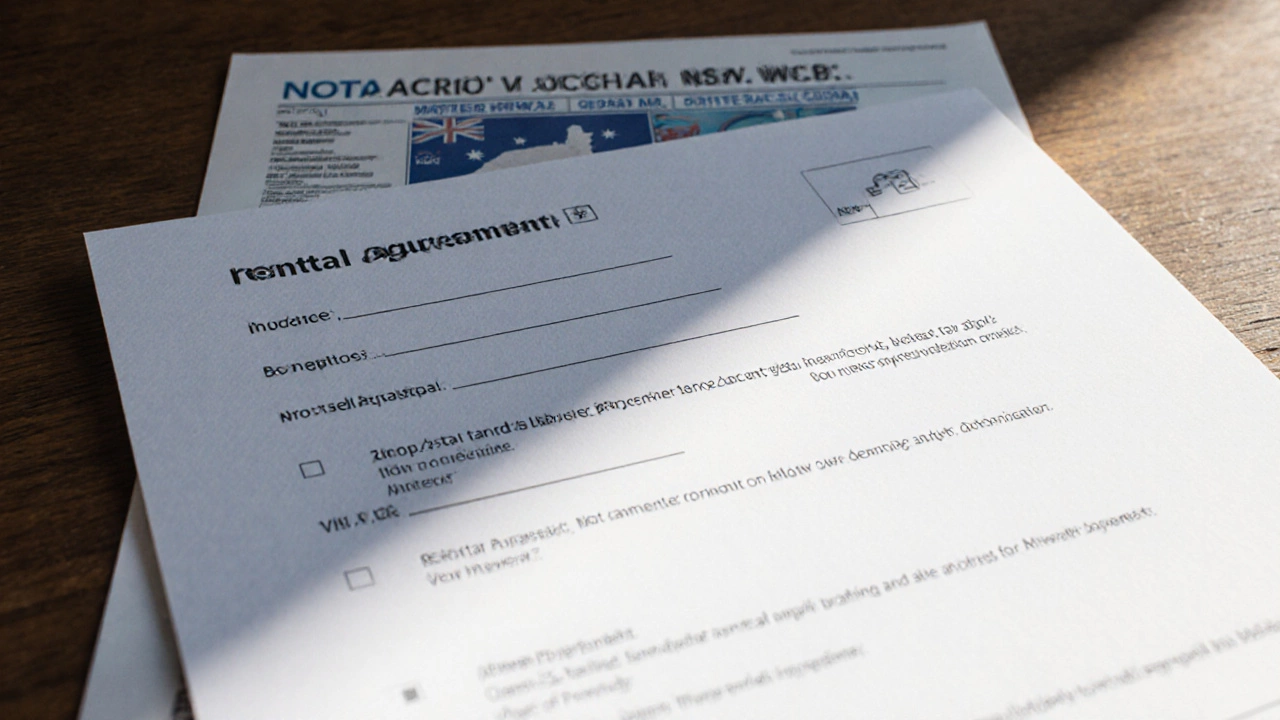
Microsoft Word doesn't have a built-in rent agreement template, but you can use free, official templates from Australian state housing authorities. Learn where to find them, what to check, and why random online templates can put you at legal risk.
 0
0