When you hear land ownership, the legal right to possess, use, and transfer a piece of land. Also known as property title, it’s not just about having a deed—it’s about being recognized by the government as the person who holds those rights. In India, this isn’t always simple. Many people think buying land means they own it, but without proper property registration, the official recording of land rights with government authorities, your claim can be challenged, ignored, or even erased. This isn’t theory. It’s what happens when people skip the paperwork.
Land ownership ties directly to property records, government-maintained documents that track who owns what land, when it was bought, and any legal claims against it. These records live in local tehsil offices, revenue departments, and digital portals like Bhulekh. But they’re not always up to date. If your name isn’t in the record, you’re not the legal owner—even if you’ve paid cash and have a handwritten agreement. That’s why legal residency, the official status that links a person to a location for tax, voting, or benefit purposes often gets mixed up with ownership. You can be a legal resident without owning land, and you can own land without being a legal resident. They’re two different systems.
Most people don’t realize how many layers are involved. There’s the sale deed, the mutation entry, the encumbrance certificate, the survey number, the revenue receipt—all of them need to match. Miss one, and you’re stuck in legal limbo. We’ve seen cases where families lived on the same plot for 30 years, only to find out the land was registered under someone else’s name decades ago. No one knew because no one checked the records. That’s why the posts below cover real situations: how to get a certified copy of your property registration, how to trace your residency date using land documents, what happens when land is inherited without proper transfer, and why some buyers in cities like Delhi or Bangalore end up paying twice because the previous owner never cleared the title.
Land ownership isn’t glamorous. It’s paperwork, patience, and proof. But if you’re buying, selling, or even renting land in India, you need to understand it. The posts here don’t give you theory. They give you steps—how to check records, what to ask for, where to go, and what red flags to spot before you sign anything. No fluff. Just what works.
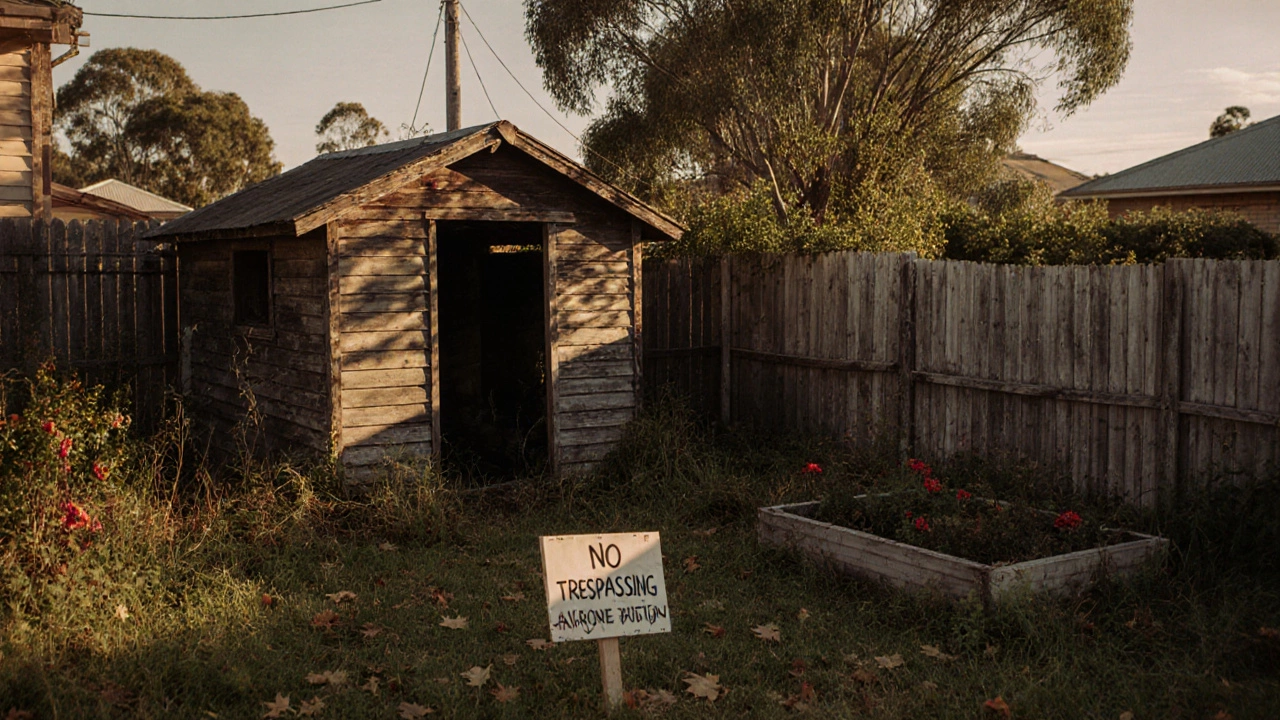
The 20-year rule in Australia allows someone to claim ownership of land they've used openly and continuously for two decades without permission. Learn how it works, who it affects, and how to protect your property.
 0
0