When you buy your first home home ownership after 40, the decision to own property later in life involves different priorities, finances, and long-term goals than buying young. It’s not about chasing the biggest house or the trendiest neighborhood—it’s about stability, comfort, and planning for what comes next. Many people assume you need to buy early to get ahead, but that’s not true. People in their 40s, 50s, and even 60s are buying homes today—and doing it smarter than ever.
What changes when you buy after 40? Your income might be steadier, your credit score higher, and your savings more solid. But you also have new concerns: healthcare costs, retirement timing, downsizing, or maybe helping adult kids with their own housing. That’s why property investment after 40, a strategic move focused on long-term value and lifestyle fit looks different than a first-time buyer’s purchase. You’re not just buying walls and a roof—you’re buying peace of mind. And that means location matters more than square footage. A home near medical services, public transit, or family might be worth more than a bigger house in a quiet suburb.
Then there’s the money side. buying a home later in life, often means using cash, tapping into equity from a previous home, or choosing shorter mortgage terms. You might skip 30-year loans entirely. Why stretch payments into your 70s if you don’t have to? Many buyers after 40 go for 15-year or even 10-year mortgages to pay off faster. Others look at reverse mortgages or home equity lines—tools designed for older homeowners who want to stay put without the burden of monthly payments.
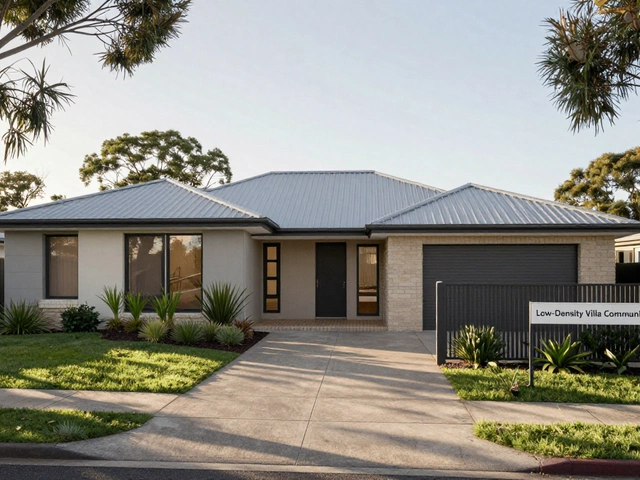
You’re also thinking differently about maintenance. A big yard? Maybe not. A two-story house with stairs? Probably not either. That’s why senior home buying, a growing trend focused on accessibility, low upkeep, and single-level living is rising fast. Ranch-style homes, condos, and even 2K apartments (one bedroom, one kitchen) are becoming popular choices. They’re affordable, easy to manage, and perfect if you’re planning to age in place.
And it’s not just about you. If you’re thinking of buying with a partner, or for an aging parent, the rules change again. Legal ownership, tax implications, and inheritance plans all need to be clear from day one. That’s why many people after 40 work with advisors—not just real estate agents, but estate planners and financial counselors too.
There’s no magic age to stop owning property. In fact, more people are buying homes after 40 than ever before. The key isn’t how old you are—it’s whether you’ve thought through what you really need now, and what you’ll need in five, ten, or twenty years. The right home at this stage isn’t a status symbol. It’s a foundation.
Below, you’ll find real stories, practical guides, and clear breakdowns of what works—and what doesn’t—when you’re buying property later in life. From tax credits for seniors in Utah to understanding apartment layouts that fit your needs, these posts cut through the noise. No fluff. Just what you need to know before you sign anything.

Buying a house at 40 isn't too late - it's smarter. Discover why your 40s are the ideal time to become a first-time homeowner, how to get approved for a mortgage, and how to buy safely online.
 0
0