When you think about farm ownership costs, the total financial burden of buying, maintaining, and legally registering agricultural land in India. Also known as agricultural land expenses, it includes more than just the purchase price—it covers taxes, legal fees, maintenance, and sometimes even forced labor costs if you're not careful. Most people assume buying farmland is simple: find a plot, pay the seller, and you’re done. But in India, land registration, inheritance rules, and local zoning laws can turn a quiet purchase into a years-long legal maze.
Land registration, the official process of recording land ownership with government authorities to establish legal title. Also known as property registration, it’s not optional—it’s mandatory. Without it, you don’t own the land, no matter how much you paid. In states like Uttar Pradesh and Maharashtra, delays in registration can cost you thousands in penalties or even lead to disputes with neighboring farmers. And don’t forget rural property taxes, annual fees paid to local panchayats or municipal bodies for maintaining infrastructure like roads and water access on farmland. Also known as agricultural land tax, these vary wildly—from under ₹500/year in some villages to over ₹20,000 in high-demand zones near cities. Then there’s agricultural land prices, the market value of farmland based on soil quality, water access, proximity to markets, and local demand. Also known as farmland valuation, these prices have jumped 300% in some areas near highways or tech corridors, but stayed flat in remote regions. You might pay ₹10 lakh per acre near Pune, but only ₹2 lakh in parts of Odisha—even if the soil is just as good.
And here’s the kicker: owning land doesn’t mean you can just plant and harvest. You’ll need to pay for fencing, irrigation, tractor maintenance, labor, and sometimes even bribes to local officials who demand "documentation fees." Some farmers spend more on upkeep than they ever made from selling crops. And if you inherit the land? You’ll need to update the record, which means navigating a system that still uses handwritten ledgers in many districts. There’s no app for that.
What you’ll find below aren’t just articles—they’re real stories from people who’ve been through it. From how to check if a land title is clean before buying, to what happens when your neighbor claims part of your field after 20 years, to why your property tax bill suddenly doubled last year. These aren’t theoretical guides. These are the things you need to know before you hand over your savings for a piece of dirt that’s supposed to feed your family.
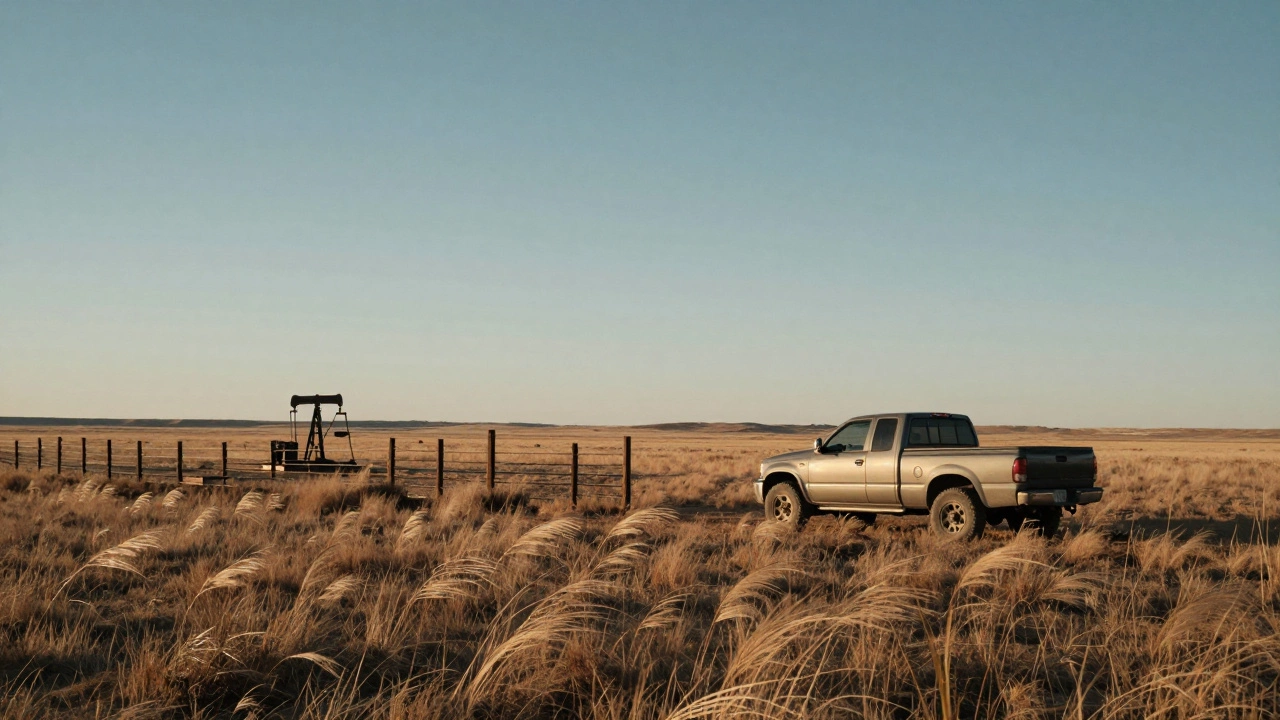
Find out where you can buy the cheapest farmland in 2025, including hidden bargains in New Mexico, Mississippi, North Dakota, and Texas-along with what to check before you buy.
 0
0