When you hear duplex homes, a single building divided into two separate living units, each with its own entrance. Also known as two-family homes, they’re not just a housing option—they’re a smart investment for buyers who want space without the upkeep of a large standalone house. Unlike apartments in high-rises, duplex homes usually sit on their own lot, giving you more privacy and control. One unit can be yours, while the other brings in rent—making it one of the few ways to live comfortably and earn income at the same time.
Duplex homes are different from duplex apartments, units stacked vertically in a building, often part of a larger complex. Also known as two-level flats, these are common in cities like Mumbai or Bangalore, where land is tight. But true two-family homes, a standalone structure split horizontally or vertically into two homes. Also known as semi-detached houses, are more common in suburbs or developing towns where you can get a yard, parking, and quiet without paying luxury prices. The key difference? Ownership. With a two-family home, you own the whole building and both units. With a duplex apartment, you only own your floor. That affects taxes, repairs, and how much control you have.
Many people think duplex homes are only for investors, but that’s not true. Young couples, retirees, and even families with aging parents are choosing them because they offer flexibility. One side can be a home office, a guest suite, or a space for a relative. You’re not just buying a house—you’re buying options. And in places like Pune, Jaipur, or Coimbatore, where property prices are rising but land is still available, duplex homes are becoming the sweet spot between affordability and space.
What makes them even more practical? Lower maintenance than a big single-family house, but more privacy than a condo. You share a wall, sure—but not the roof, the foundation, or the driveway. That means fewer disputes with neighbors and clearer responsibility for repairs. Plus, if you ever decide to move, renting out your unit makes selling easier. Buyers love properties that pay for themselves.
You’ll find duplex homes popping up in new housing societies near IT parks, along highway corridors, and in towns where people are moving out of crowded city centers. They’re not always labeled clearly—sometimes they’re called "twin homes" or "semi-detached villas." But if you see a listing with two entrances, two kitchens, and a single property title, you’ve got a duplex.
There’s no magic formula for finding the best one, but the smartest buyers check three things: the split (is it side-by-side or up-and-down?), the shared systems (are the water and electrical lines separate?), and the future (is the neighborhood growing or declining?). A duplex that’s well-built and well-located doesn’t just hold value—it builds it.
Below, you’ll find real posts from people who’ve bought, rented, or analyzed duplex homes in India. Some share cost breakdowns. Others compare layouts. A few warn about hidden fees. Together, they give you the full picture—not the sales pitch, but the truth.
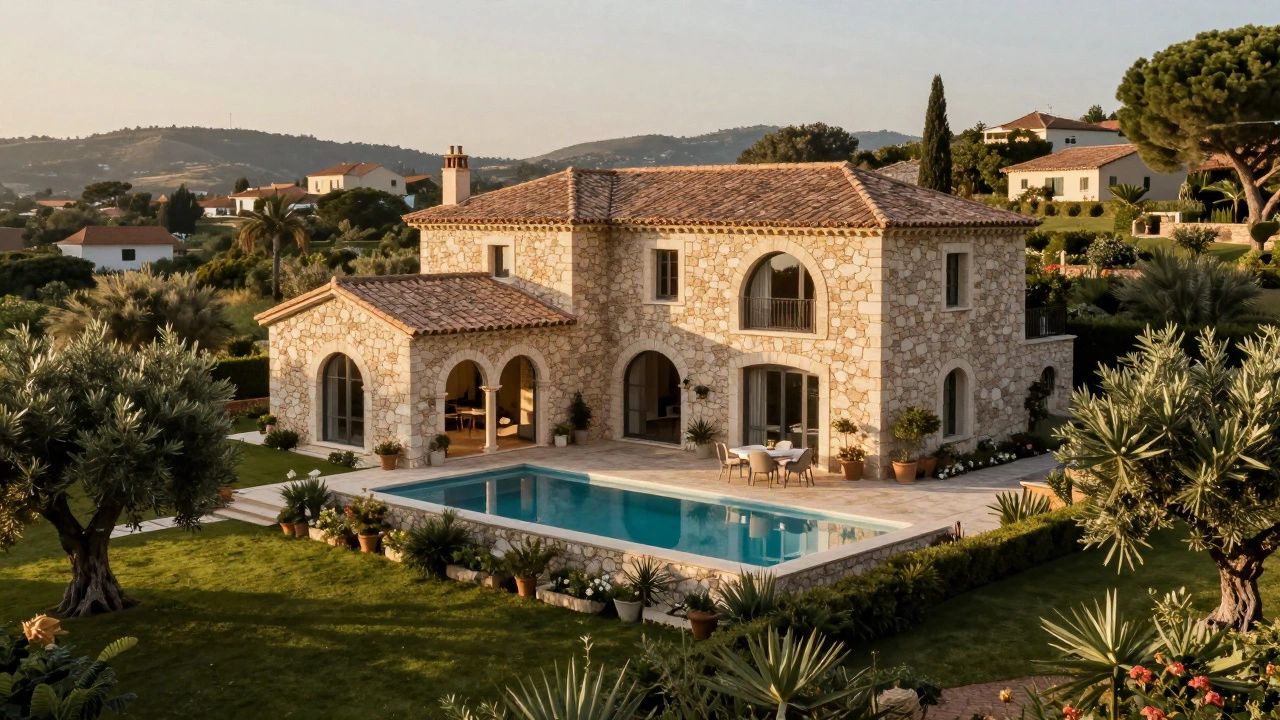
Understand the key differences between a villa and a duplex when buying a home. Learn about space, cost, privacy, and investment potential to choose the right home for your needs.
 0
0