When evaluating commercial property ROI, the return on investment you earn from buying, leasing, or managing a business‑focused building. Also known as property investment return, it lets investors compare options across markets and decide where money works hardest.
One of the first concepts that pops up is ROI, a percentage that shows profit relative to the amount invested. While ROI gives a quick snapshot, digging deeper reveals the cap rate, the annual net operating income divided by the property’s purchase price. Cap rate helps you see how well a property generates income before financing, making it a staple for commercial analysts.
Financing also plays a huge role. A commercial loan, a debt instrument used to acquire or improve income‑producing real estate determines your cash outlay, interest burden, and ultimately your net cash flow. Lower rates and longer terms can boost the ROI, but they also tie up capital for longer periods. Speaking of cash, cash flow, the money left after operating expenses and debt service are paid is the lifeblood of any commercial deal. Positive cash flow each month compounds your overall return and cushions market dips.
Location is the classic driver. A property in a growing business district usually commands higher rents, which lifts both NOI and cap rate. Tenancy mix matters too—anchor tenants like banks or retailers bring stability, while smaller sub‑tenants can boost income but add turnover risk.
Operating expenses are another lever. Efficient property management, energy‑saving upgrades, and smart maintenance schedules can shave off costs, raising NOI and therefore the ROI. Don’t forget tax considerations; depreciation shields a chunk of income from taxes, effectively increasing the after‑tax return.
Market timing can’t be ignored. Buying when prices are low and rents are on the rise creates a built‑in upside. Conversely, overpaying during a hype cycle squeezes the cap rate and drags down ROI.
Lastly, the length of your investment horizon matters. Short‑term flips rely on capital gains, while long‑term holds lean on steady cash flow and compounding returns. Knowing which strategy aligns with your risk tolerance helps you pick the right metrics to track.
Below you’ll find a mix of articles that cover everything from how to calculate the highest rent you can afford, to deep dives on commercial loan down payments, and even a guide on the biggest global CRE firms. Each piece adds a layer to the bigger picture of commercial property ROI, so you can move from theory to actionable insight faster.
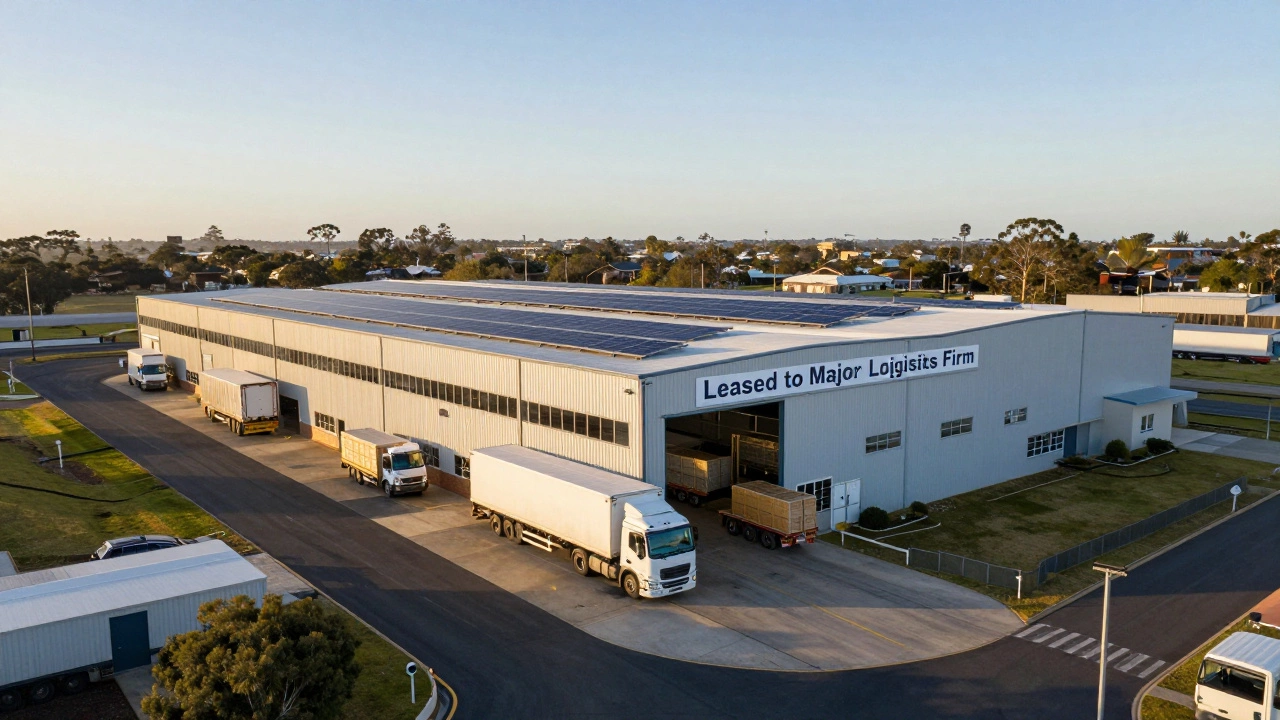
A good ROI on commercial property in Australia typically ranges from 5.5% to 8.5%, depending on property type and location. Stable, well-located assets with long-term tenants often outperform high-yield but risky options.
 0
0

Learn the benchmark ROI ranges for commercial property, how to calculate cash‑on‑cash and cap rates, and the key factors that influence a good return on investment.
0