When you buy farm land, you’re not just buying dirt—you’re buying a long-term asset with rules, risks, and rewards most people never see. Farmland investment, a type of rural real estate used for growing crops or raising livestock. Also known as agricultural land, it’s one of the few assets that can feed people, generate income, and hold value through inflation. But here’s the catch: what works in Texas won’t work in Maharashtra. The soil, water access, zoning laws, and even tax rules change by district. You can’t treat it like buying a condo in the city.
Before you hand over money, you need to know if the land has land zoning, legal rules that say what you can and can’t do on the property. Also known as agricultural zoning, it determines whether you can build a house, dig a well, or run a small farm business. Many buyers assume they can live on the land they buy—but zoning might forbid it. Then there’s water. No water rights? Good luck growing anything. Check if the land has access to wells, canals, or seasonal rivers. And don’t skip the soil test. Clay-heavy soil drains poorly. Sandy soil won’t hold nutrients. Both can kill your crop yield.
Who’s selling? Often, it’s not a farmer. It’s an estate trying to liquidate, a bank foreclosing, or a developer holding land for future resale. That means the price might look low—but the hidden costs add up fast. You’ll need a survey, legal checks, property tax history, and maybe even a wildlife permit if the land borders protected areas. Some plots come with old irrigation systems that cost more to fix than the land itself.
If you’re thinking about rural property, land located outside urban areas, often used for farming, ranching, or quiet living. Also known as country land, it’s not just for farming—it’s for off-grid living, homesteading, or long-term appreciation., you need to ask: Is there electricity? Cell service? Road access in monsoon season? These aren’t luxuries. They’re survival tools. And while some posts here talk about property taxes in Utah or rental licenses in Virginia, none of that matters if you’re buying land in Karnataka or Punjab. Indian farmland rules vary wildly by state. Some states ban non-farmers from buying. Others require special permits. You can’t Google your way out of this.
Below, you’ll find real posts from people who’ve walked this path—some succeeded, some got burned. You’ll see what questions to ask before signing, how to spot a bad deal, and why the cheapest plot isn’t always the best buy. This isn’t about getting rich quick. It’s about making a smart, lasting decision with your eyes wide open.
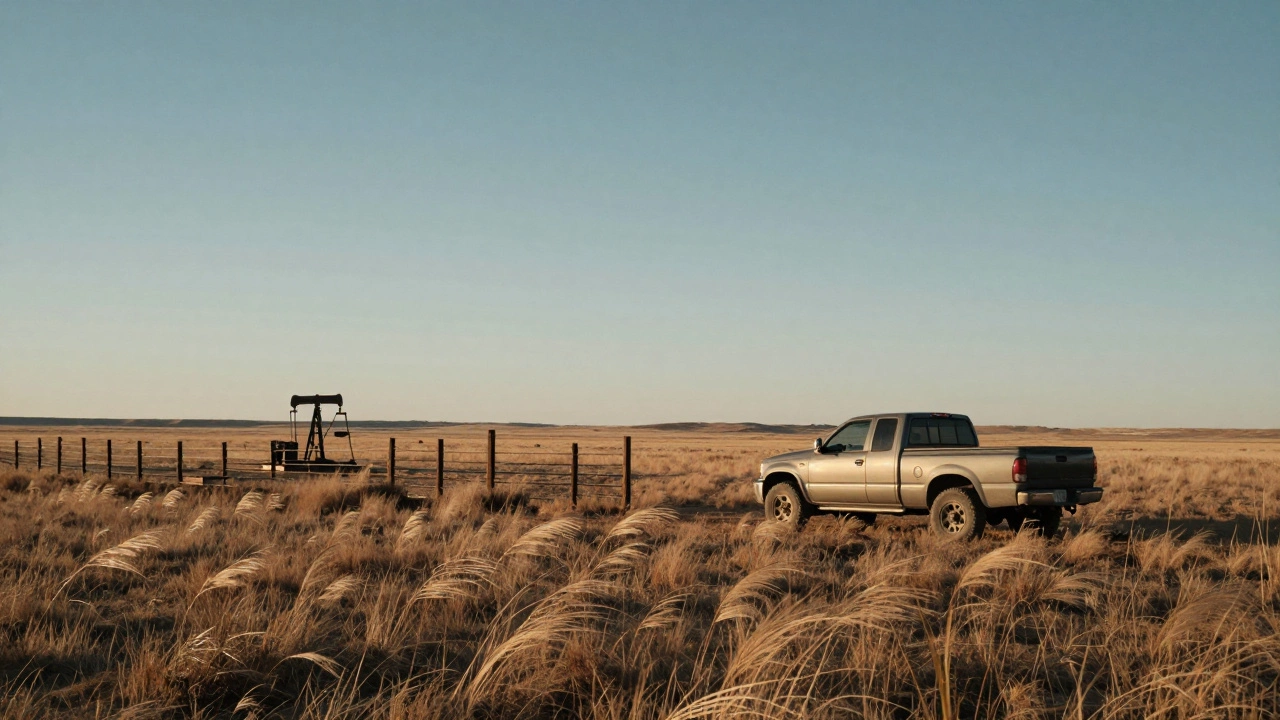
Find out where you can buy the cheapest farmland in 2025, including hidden bargains in New Mexico, Mississippi, North Dakota, and Texas-along with what to check before you buy.
 0
0