When working with building code occupancy, the set of regulations that specify how many occupants and what uses a structure can safely accommodate, you’re dealing with a core piece of any real‑estate project. It’s also referred to as occupancy classification, a label such as Assembly, Business, Residential, or Factory that determines safety standards and egress requirements. To meet those standards, owners must secure a building permit, official permission issued after plans are reviewed for code compliance and structural safety. In many states, the same rules affect whether a landlord needs a rental license, a local authorization proving the unit meets habitability criteria and fire‑safety codes. Finally, local zoning regulations, rules that dictate land‑use types, density limits, and permissible building heights often set the ceiling for allowable occupancy. Understanding how these pieces fit together saves time, money, and legal headaches.
Think of building code occupancy as the hub of a small network. The first semantic triple is: building code occupancy requires a building permit, which ensures that the structure meets fire‑safety and structural standards. The second triple links occupancy classification to zoning regulations: occupancy classification guides zoning decisions, and zoning regulations determine the maximum number of people a space can hold. A third connection ties rental licenses to tenant protection: a rental license verifies that a property complies with occupancy limits, thereby protecting tenants from overcrowding and unsafe conditions. These relationships matter whether you’re a landlord in Virginia checking the need for a rental license, a commercial investor calculating ROI on a mixed‑use building, or a homebuyer trying to understand why a 2BHK flat has specific square‑footage limits. By mapping the code’s requirements to real‑world actions—filing permits, reviewing classification tables, confirming zoning maps—you can avoid costly re‑work and keep projects on schedule.
Below you’ll find a curated set of articles that dig into each of these angles. From a practical guide on Virginia rental licenses to tips on calculating the highest rent you can afford under occupancy limits, the collection covers the most common questions owners and renters face. Browse the posts to see how code compliance affects everything from commercial property ROI to the simple act of choosing the right 2BHK layout. Armed with this context, you’ll be ready to apply the right permits, respect zoning rules, and keep your property both legal and livable.
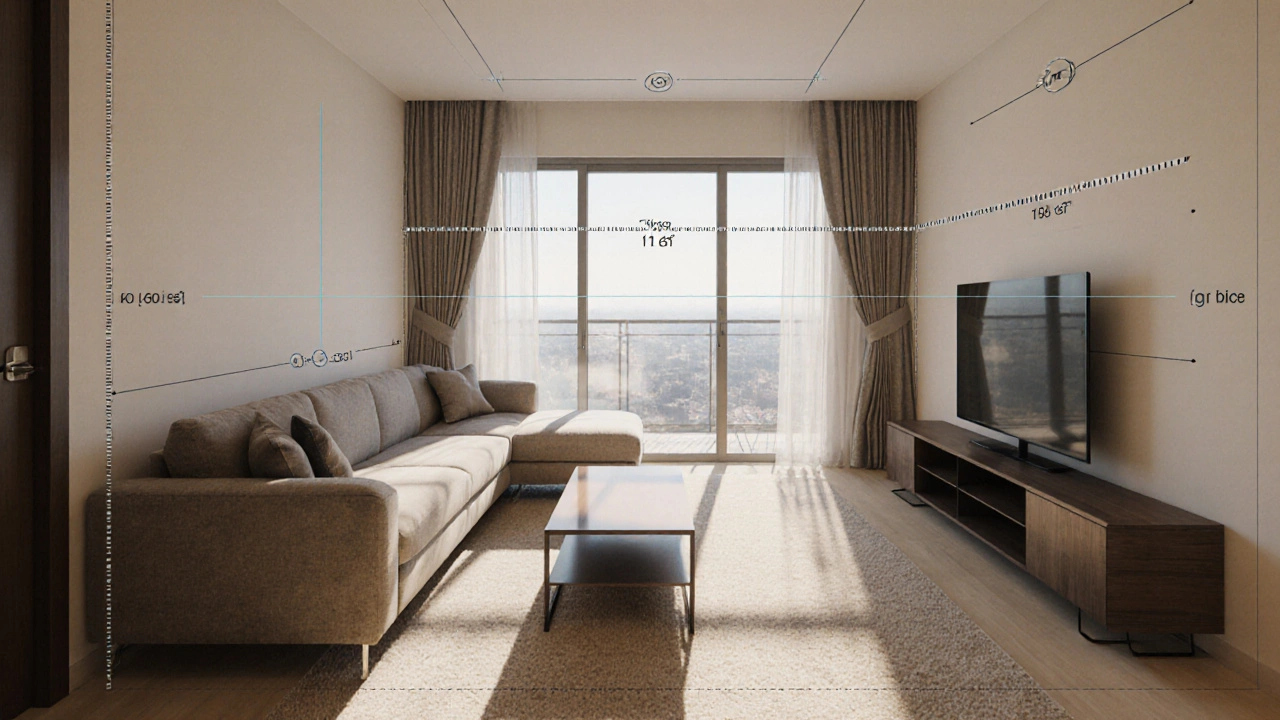
Learn how many people can safely occupy a 600sqft room, with step‑by‑step occupancy calculations, code references, and comfort tips for 2BHK apartments.
 0
0