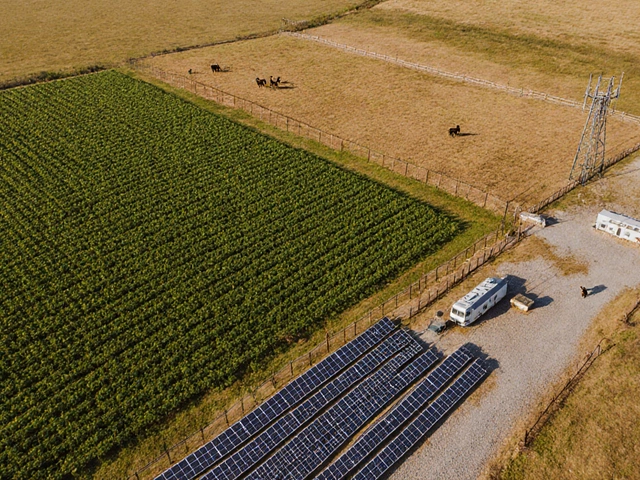
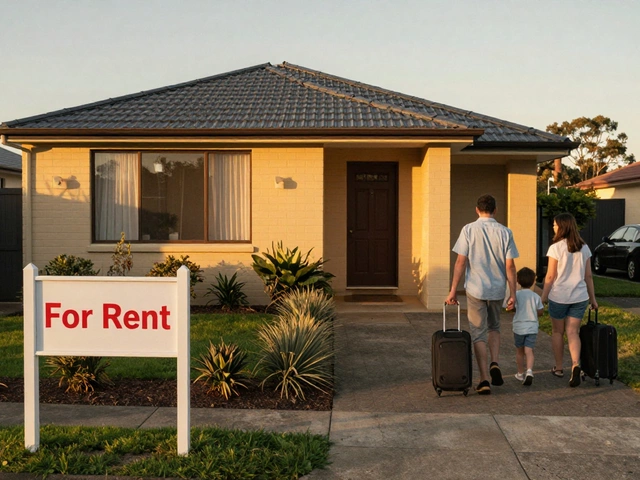
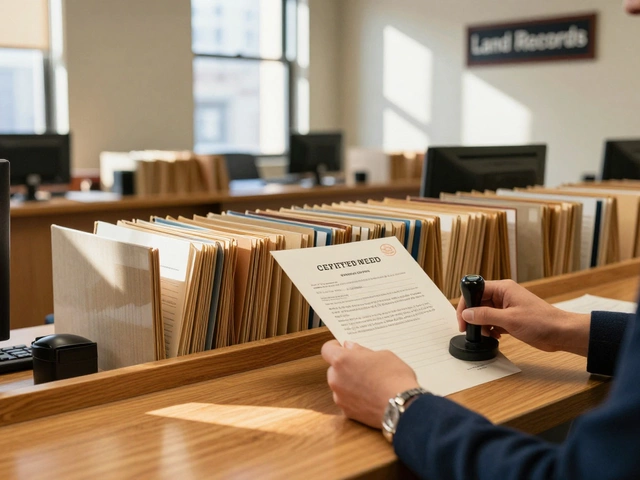
When you think of owning land, you assume it’s yours as long as you have the deed. But adverse possession, a legal doctrine that allows someone to claim ownership of land by openly occupying it for a set period without the owner’s permission. Also known as squatter’s rights, it’s not a loophole—it’s written into property law in many places, including parts of India. If someone builds a fence, lives in a shed, or even farms a patch of your unused land for years without you stopping them, they might end up owning it. No sale. No contract. Just time and use.
This isn’t rare. Courts have ruled on cases where neighbors took over driveways, backyards, or even entire plots because the real owner never challenged them. The key factors? The occupant must use the land openly (not secretly), continuously (without breaks), exclusively (not sharing it), and hostilely (without your permission). The time needed varies—sometimes 12 years, sometimes 30—but once it’s met, they can file for a quiet title and legally become the owner.
It’s not just about vacant lots. Think of a family that’s been using a path through your land for decades because you never said no. Or a tenant who stayed past their lease and started paying taxes on the property. These aren’t just moral issues—they’re legal risks. Property registration, tax payments, and boundary surveys all matter. If you don’t keep track of who’s on your land, or if you ignore a fence that’s moved over time, you could lose part of your property without ever signing anything.
That’s why knowing how adverse possession works isn’t just useful—it’s protective. The posts below cover real cases, how to check if someone’s claiming your land, what documents you need to fight back, and how local laws in places like Virginia or New York handle these disputes. You’ll also find guides on property registration, quiet title processes, and how to spot early signs of a claim before it’s too late. This isn’t theoretical. It’s happening right now, to people who didn’t realize their land wasn’t as safe as they thought.
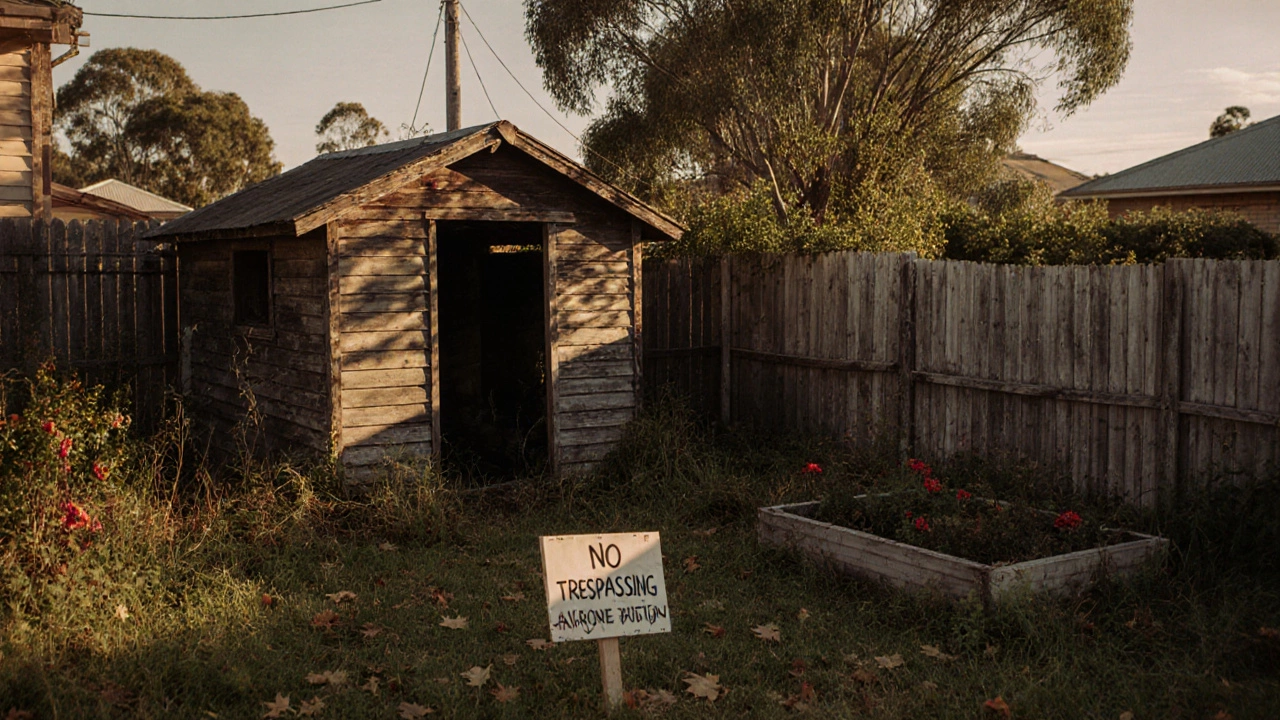
The 20-year rule in Australia allows someone to claim ownership of land they've used openly and continuously for two decades without permission. Learn how it works, who it affects, and how to protect your property.
 0
0