When people talk about the 20-year rule, a tax provision that can exempt certain property sales from capital gains tax after two decades of ownership. Also known as long-term holding exemption, it’s not a universal law but a condition that applies in specific cases—especially when selling residential property in countries like India under Section 54 of the Income Tax Act. This rule doesn’t automatically kick in after 20 years. It’s tied to how you reinvest the sale proceeds, not just how long you’ve held the property.
The capital gains exemption, a tax relief available when you sell a property and buy another one within a set timeframe. Also known as reinvestment benefit, it’s what makes the 20-year rule useful in the first place. If you sell your home after owning it for more than two years, you’re already eligible for long-term capital gains treatment. But to fully avoid paying tax, you must buy a new residential property within two years—or build one within three. The 20-year mark doesn’t erase the requirement. Instead, it often comes up in cases where someone held a property for decades, then sold it and used the money to buy a new home. In those cases, the tax authority may look at the entire ownership history to confirm the reinvestment was legitimate.
Many people assume the 20-year rule means they can sell without paying tax just because they owned the property for 20 years. That’s a myth. The real trigger is reinvestment, not time. If you sold your home in 2023 after owning it since 2003, and you didn’t buy another home, you still owe tax. But if you bought a new house in 2024 using all the sale money, the exemption applies. This is why the property ownership, the legal and financial control of a residential or commercial asset over time. Also known as tenure, it’s the foundation for claiming any long-term benefit. matters so much. It’s not about waiting 20 years—it’s about what you do with the money when you finally sell.
The reinvestment benefit, the tax advantage you get when you use sale proceeds to buy or build another qualifying property. Also known as exemption through reinvestment, it’s why many Indian homeowners hold onto property for decades—not just for appreciation, but to stay eligible for this rule. It’s not just for primary homes. Investors who buy rental properties and later move into them can also qualify, as long as they meet the timeline and use the full sale amount. The rule doesn’t care if you rented it out for 15 years. What matters is that the final sale leads to a new residential purchase.
What you’ll find in the posts below isn’t a dry legal guide. It’s real-world advice from people who’ve navigated property sales, tax filings, and ownership transitions. Some posts explain how to prove residency dates for tax claims. Others break down how apartment sizes affect resale value. One even walks you through getting certified property records in NYC—because paperwork matters when you’re trying to prove you owned something for 20 years. You’ll see how commercial property rules differ, how rental licenses can impact your claim, and why a 2 KK apartment might be a smarter long-term hold than a 2 BHK. This isn’t theory. It’s what people actually do when they’re trying to keep more of their money after selling a home.
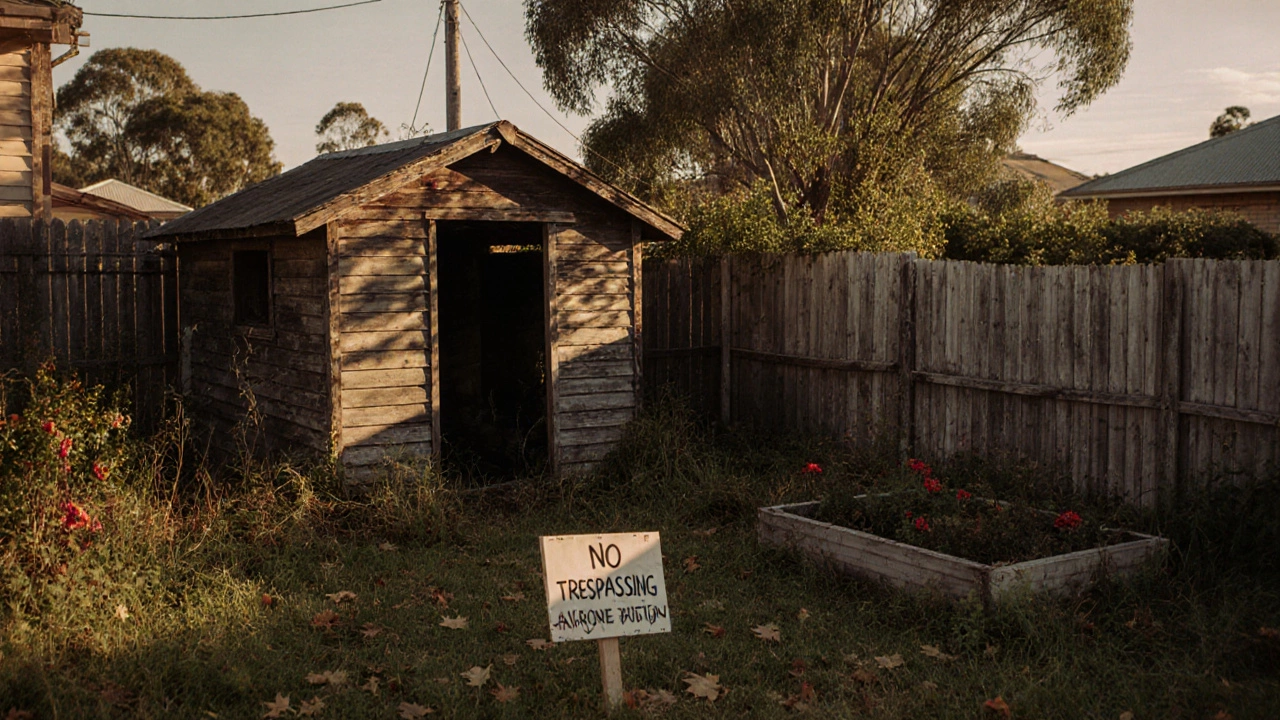
The 20-year rule in Australia allows someone to claim ownership of land they've used openly and continuously for two decades without permission. Learn how it works, who it affects, and how to protect your property.
 0
0