Cattle Stocking Rate Calculator
Estimated Carrying Capacity
Year-Round Support
Head of Cattle
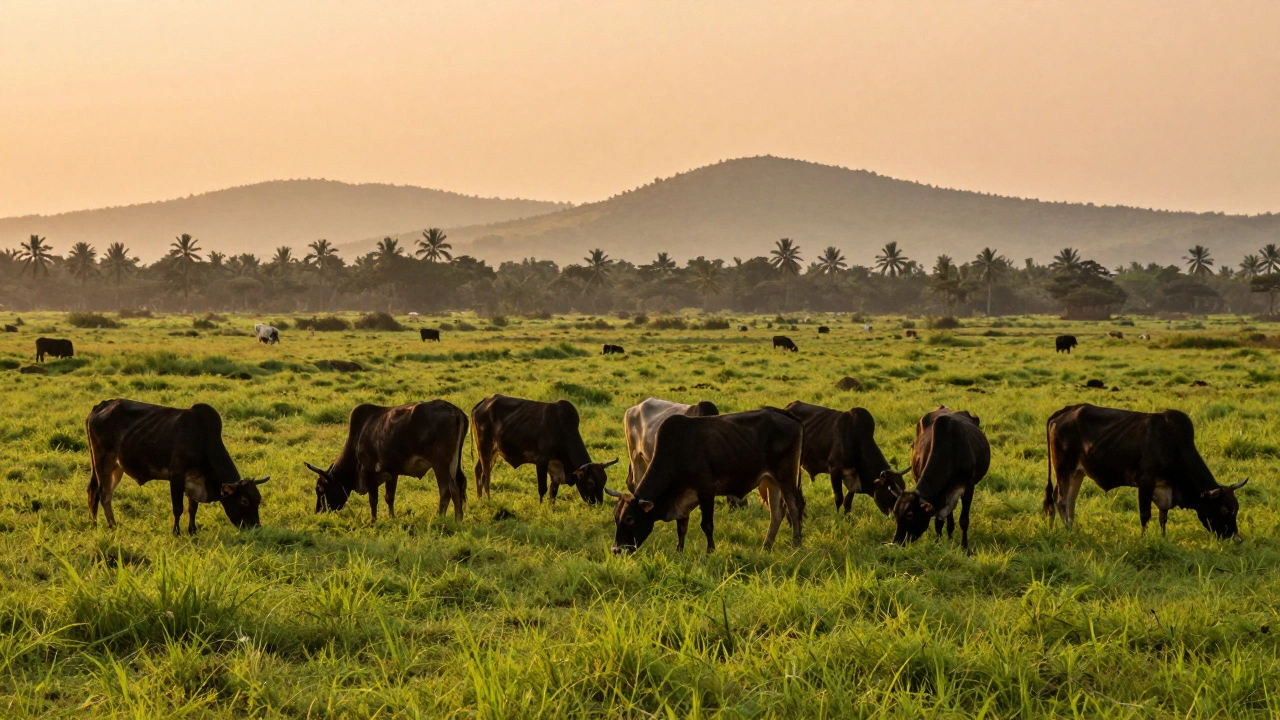
Buying a plot of land often comes with big dreams. You picture yourself walking through lush green pastures, maybe owning a few cows, feeling connected to the earth. It’s a romantic image. But reality hits hard when you look at your deed and see "40 acres." Can that really support cattle? The short answer is: it depends. A lot depends.
If you’re just starting out, you might think one cow needs an acre. That’s a common myth. In truth, putting too many animals on too little land leads to bare dirt, weeds, and stressed livestock. We need to talk about cattle stocking rates. This isn’t just math; it’s biology. It’s about how much grass grows back versus how much gets eaten.
Before we dive into numbers, let’s get real. If you are looking for property in different regions, say, exploring luxury options or checking directories like this resource, you’ll notice location dictates everything. Soil type, rainfall, and climate change what fits on your land. What works in Texas won’t work in Tasmania. Context matters.
The Myth of One Cow Per Acre
You’ve heard it before. "One acre per cow." It sounds simple. It’s wrong. This rule of thumb ignores the quality of the grass. Is your land irrigated clover pasture? Or is it dry, sandy soil with scrub brush?
In high-quality pastures, you might support more animals. In poor land, fewer. The average US farm has about 1.5 to 2 acres per animal unit month (AUM). An AUM is the amount of forage required to feed one 1,000-pound cow for 30 days. On 40 acres, if you have average pasture, you might safely graze 20 to 25 head of cattle for a month. But can they stay there all year? Probably not.
Overgrazing destroys the root system. Once the roots die, the grass dies. Then you have dust bowls. You want rotational grazing. Move the cows every few days. Let the grass rest. This changes the game completely.
Calculating Your Stocking Rate
Let’s break down the math. You need to know your carrying capacity. This is the maximum number of animals your land can support without degrading.
- Step 1: Estimate Forage Production. How many pounds of dry matter does your land produce per acre annually? Good pasture might yield 3,000 lbs. Poor pasture might yield 800 lbs.
- Step 2: Determine Animal Needs. A 1,000-lb cow eats about 2% of her body weight daily. That’s 20 lbs of dry matter. Over a year, that’s roughly 7,300 lbs.
- Step 3: Apply Utilization Rate. You can’t eat 100% of the grass. You leave some for regrowth. Aim for 50-60% utilization.
So, if your 40 acres produce 3,000 lbs per acre, that’s 120,000 lbs total. At 50% utilization, you have 60,000 lbs available. Divide by 7,300 lbs per cow. You can support about 8 cows for the entire year. Not 40. Not even 20. Just 8.
This is why many small farmers fail. They buy land, buy too many cows, run out of food by August, and then buy expensive hay. Hay costs money. Growing grass saves money.
The Power of Rotational Grazing
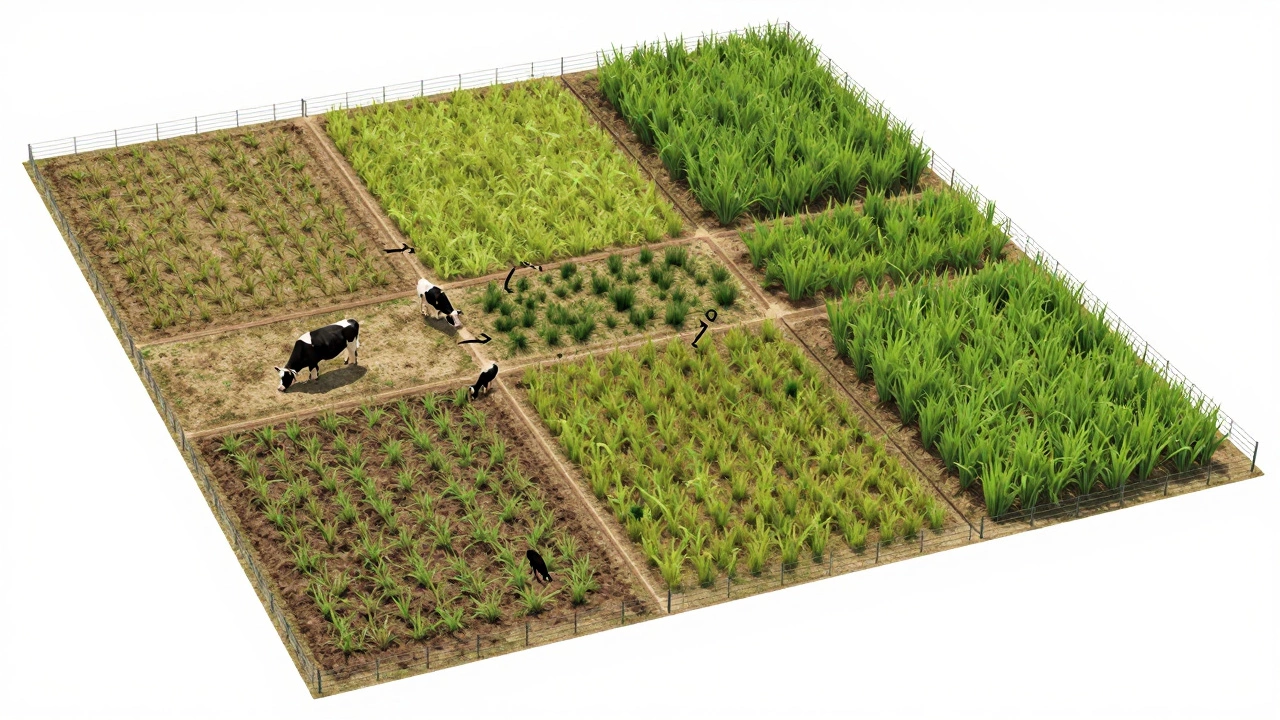
Here’s the secret weapon: divide your 40 acres. Don’t let cows roam free. Use electric fencing to create smaller paddocks. Maybe eight 5-acre sections.
Move the cows every 3 to 7 days. When they leave a paddock, that grass rests for 30 to 60 days. It grows deeper roots. It becomes healthier. It produces more biomass next time.
With rotational grazing, you can increase your stocking rate by 30-50%. That means those 8 cows might become 12. More profit, same land. Better soil health. Less erosion. It’s a win-win.
| Pasture Type | Acreage per Cow (Year-Round) | Max Cows on 40 Acres |
|---|---|---|
| Poor (Dry, Sandy) | 4-5 acres | 8-10 |
| Average (Mixed Grass) | 2-3 acres | 13-20 |
| Good (Irrigated/Legumes) | 1-1.5 acres | 26-40 |
Water and Infrastructure Costs
Cows need water. Every day. If your 40 acres don’t have a reliable water source, you’re in trouble. Hauling water is expensive and labor-intensive. Look for land near a creek, pond, or well.
Fencing is another cost. Barbed wire doesn’t stop cows well. Electric tape or woven wire works better. Post drivers, gates, water tanks-it adds up. Budget $5,000-$10,000 for basic infrastructure on 40 acres.
Don’t forget vet bills. Vaccines, deworming, hoof care. Each cow is a living business expense. Plan for emergencies. Animals get sick. Calves get stuck. Be ready.
Local Regulations and Zoning
Check your local laws. Some suburbs ban livestock entirely. Others limit the number of animals. Noise, odor, and manure management are common complaints from neighbors.
In Australia, where I live, rural zoning allows cattle, but urban fringes do not. Always check council regulations. Fines for non-compliance can kill your hobby fast.
Talk to your neighbors. If they hate cows, you’ll have a hard time. Build fences properly. Manage manure. Be a good neighbor. Community relations matter as much as grass growth.
Alternative Livestock for Small Acreage
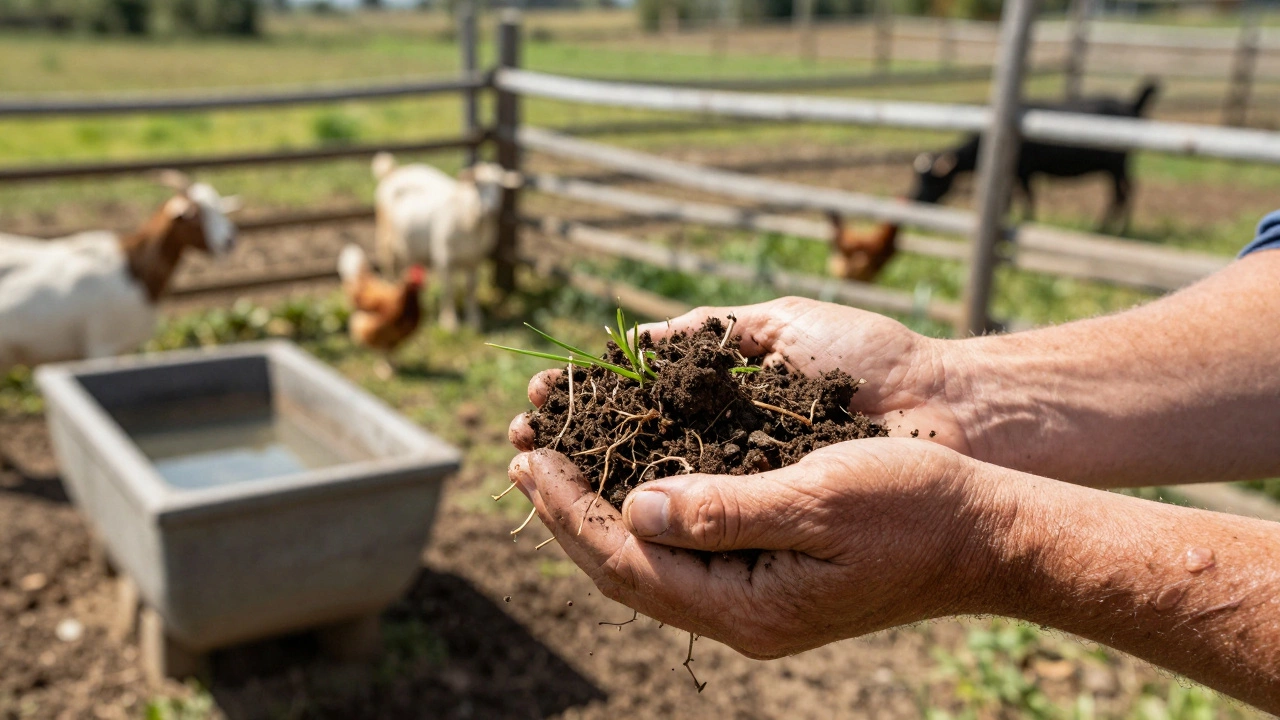
Maybe 8 cows isn’t enough for your goals. Consider smaller animals. Goats, sheep, or chickens take less space. They browse different plants. They fit better on marginal land.
Goats are browsers. They eat shrubs and weeds. Sheep are grazers. They eat grass. Chickens scratch and clean up insects. Diversifying your herd can maximize land use. Mix species carefully. Watch for parasite overlap.
For pure meat production, cattle are efficient. For milk, goats are easier. For eggs, chickens are low-maintenance. Match the animal to your market and your land.
Financial Reality Check
Let’s talk money. Buying a cow costs $1,500-$2,500. Feeding her costs $500-$1,000 annually if you grow your own grass. Selling a calf might net $1,000-$1,500. Profit margins are thin.
On 40 acres, you’re likely a hobby farmer. You won’t get rich. You’ll gain satisfaction. Fresh beef. Clean meat. Connection to nature. Value that differently.
Start small. Buy two cows. Learn their rhythms. Fix fences. Grow grass. Scale up slowly. Mistakes are expensive. Knowledge is cheap. Invest in learning first.
Can I keep just one cow on 40 acres?
Yes, easily. One cow will thrive on 40 acres. She’ll have plenty of room to roam. However, cows are herd animals. Keeping just one can lead to stress and boredom. Consider adding a second cow or a goat companion for social interaction.
What is the best breed for small acreage?
Smaller breeds like Angus, Hereford, or Dexter cattle work well. They require less feed and space than large breeds like Charolais. Native breeds adapted to your local climate also perform better with less input.
Do I need irrigation for cattle pasture?
Not necessarily. Rain-fed pastures work in most climates. Irrigation boosts productivity significantly but adds cost and complexity. Start with rain-fed. Add irrigation only if you plan to intensify grazing or face droughts.
How often should I rotate pastures?
Every 3 to 7 days is ideal. Shorter grazing periods prevent selective eating and allow thorough rest. Adjust based on grass growth speed. Faster growth means shorter rotations. Slower growth means longer rest periods.
Is it profitable to raise cattle on 40 acres?
Profitability is difficult on this scale. Most 40-acre operations are hobby farms. Focus on self-sufficiency and personal satisfaction rather than high income. Direct marketing to consumers can improve margins slightly.