Commercial Property Offer Validator
Rule of Three Assessment Tool
Determine if your offers meet the Rule of Three criteria for serious commercial property offers. According to the Rule of Three, if you've had three serious offers and none closed, the property likely has issues.
Does the offer include:
Your Offer Assessment
Serious Offer Count
0Recommended Next Steps
When you're selling commercial property, timing, pricing, and presentation matter-but one of the most overlooked strategies is the rule of three. It’s not a legal requirement, not a marketing gimmick, and not something you’ll find in a textbook. Yet, experienced brokers and seasoned investors swear by it. And here’s the truth: if you ignore it, you’re leaving money on the table.
What the Rule of Three Actually Means
The rule of three in commercial property sales says this: if a property hasn’t sold after three serious offers, something’s wrong. Not with the market. Not with the economy. With the property itself.
This isn’t about how many people looked at the listing. It’s about how many qualified buyers made a serious, written offer with financial backing. One offer? That’s normal. Two? Still within range. But three offers that fall through? That’s a red flag. It means the price is too high, the condition is flawed, or the location has hidden issues that aren’t obvious on paper.
Think of it like a car auction. If three bidders walk away after inspecting the vehicle, you don’t blame the market. You check the engine. Same thing here.
Why Three Offers? Why Not Five or One?
Three is the sweet spot because it balances realism with urgency. One offer could be a fluke-a buyer who got lucky or didn’t do their homework. Two offers suggest there’s interest, but maybe the pricing is just a little off. Three offers? That’s data. That’s pattern recognition.
Real estate agents who’ve sold dozens of warehouses, retail strips, or medical offices know this instinctively. They’ll tell you: if you’ve had three solid offers and none closed, you’re not dealing with buyer hesitation. You’re dealing with a property that doesn’t meet market reality.
It’s not about being stubborn. It’s about being smart. The rule forces you to ask hard questions: Is the rent roll accurate? Are the zoning rules misunderstood? Is the building code non-compliant? Are the utilities outdated? These aren’t surface-level issues. They’re deal killers.
What Counts as a ‘Serious Offer’?
Not every offer is created equal. A $500,000 offer with no financing contingency? That’s serious. A $1.2 million offer with a 60-day due diligence period and no proof of funds? That’s noise.
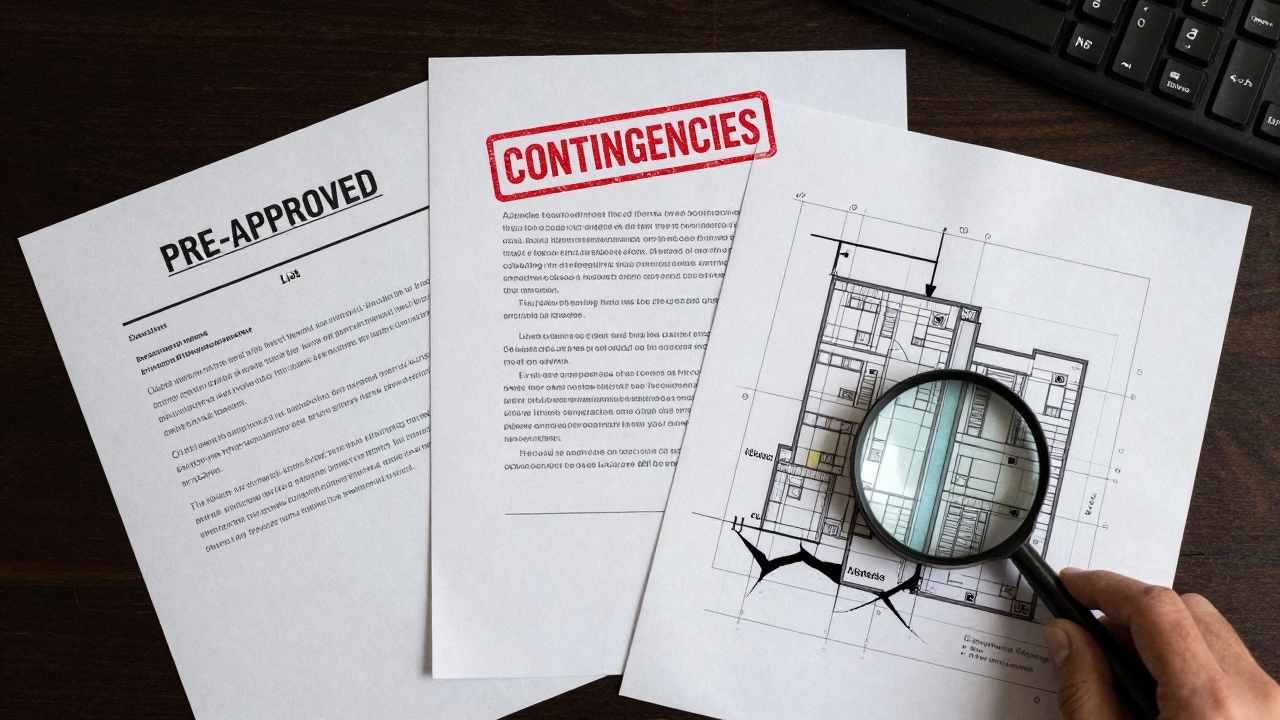
A serious offer includes:
- Proof of funds or pre-approval letter from a reputable lender
- A clear purchase price with no vague contingencies
- A timeline that shows urgency (closing within 30-60 days)
- Minimal conditions that don’t open the door to renegotiation
If you’re getting offers that look like drafts, you’re not testing the market-you’re wasting time. The rule of three only works if you’re filtering out the fluff.
What Happens After Three Offers Fail?
Here’s where most sellers mess up. They lower the price by 5% and relist. That rarely works. The market remembers. Buyers who walked away last time will come back-only this time, they’ll offer even less.
The smart move after three failed offers is to step back and do a full property audit:
- Get a new appraisal from a commercial specialist-not a residential appraiser.
- Review the lease agreements. Are they short-term? Are tenants in arrears? Is there a vacancy risk?
- Check for environmental liabilities. Old fuel tanks, asbestos, or soil contamination can kill a sale, even if the property looks fine.
- Ask your broker: ‘Who walked away? Why?’ Sometimes the answer is buried in casual comments: ‘The parking was too tight,’ or ‘The electrical panel’s outdated.’
- Re-price based on comparable sales from the last 90 days-not what you paid five years ago.
One Adelaide warehouse seller reduced their asking price by 22% after three offers collapsed. They didn’t just drop the price-they fixed the roof, updated the HVAC, and got a new energy rating. The fourth offer came in 11 days later. At 97% of the original asking price.
The Rule of Three and Buyer Psychology
Buyers don’t just look at numbers. They look at signals. A property that’s been on the market too long sends a message: ‘Something’s wrong.’
The rule of three helps you reset that signal. If you’ve had three offers, and you still believe in the property, you have two choices: adjust the price, or fix the flaws. You don’t keep re-listing at the same price hoping the next buyer is different.
And here’s the twist: buyers sense when a seller is flexible. If you’ve had three offers and you’re willing to walk through the property with a contractor and explain what’s been fixed, you look confident-not desperate. That’s powerful.
When the Rule of Three Doesn’t Apply
It’s not universal. There are exceptions.
Special-use properties-like gas stations, hospitals, or data centers-can sit for months because there are only a handful of qualified buyers. In those cases, the rule stretches to five or six offers.
Also, if the market is frozen-say, during a recession or a sudden regulatory shift-timing matters more than offers. You might have three offers, but if no one can get financing, the problem isn’t the property. It’s the economy.
But those are rare. For 90% of commercial properties-retail strips, office parks, light industrial units-the rule holds.
How to Use the Rule Before You List
You don’t have to wait for three failed offers to use this rule. You can use it proactively.
Before listing, get three independent valuations from different commercial brokers. If they all agree on a price range within 5%, you’re golden. If one says $2 million, another says $1.4 million, and the third says $1.7 million? You’ve got a problem. Don’t list until you understand why.
Same goes for marketing. Run three mock open inspections with real buyers-no pressure, just feedback. Ask: ‘What would stop you from buying this?’ Their answers are gold.
Final Thought: It’s Not About the Number Three
The rule of three isn’t magic. It’s a reality check. It’s a way to cut through wishful thinking and see what the market actually says.
Selling commercial property isn’t about holding out for the highest bid. It’s about selling at the right price, to the right buyer, at the right time. If you’ve had three serious offers and none stuck, the answer isn’t to wait longer. It’s to fix what’s broken.
Because in commercial real estate, the market doesn’t care how much you want. It only cares what it’s willing to pay.